

When it comes to heating your home in an eco - friendly and efficient way, a wood burning stove is an excellent choice. As a wood burning stove supplier, I've had the privilege of helping countless customers find the perfect stove for their needs. In this blog post, I'll share some essential tips on how to choose a wood burning stove that suits your requirements.
1. Determine Your Heating Needs
The first step in choosing a wood burning stove is to assess your heating needs. Consider the size of the area you want to heat. A small, well - insulated room will require a different stove than a large, open - plan living space. You can calculate the square footage of the room and refer to the stove's heat output specifications, usually measured in kilowatts (kW). For example, a room of around 10 - 20 square meters may need a stove with a heat output of 3 - 5 kW, while a larger room of 30 - 40 square meters might require a 6 - 8 kW stove.
It's also important to think about the climate in your area. If you live in a colder region, you'll need a stove with a higher heat output to keep your home warm during the winter months. On the other hand, if you're in a milder climate, a smaller stove may be sufficient.
2. Consider the Stove's Efficiency
Efficiency is a crucial factor when choosing a wood burning stove. An efficient stove will burn wood more effectively, producing more heat with less fuel. Look for stoves with high efficiency ratings. Modern wood burning stoves often have advanced features such as secondary combustion technology, which burns off the remaining gases and particles in the smoke, increasing the heat output and reducing emissions.
A stove with a high efficiency rating not only saves you money on fuel costs but also has a lower environmental impact. You can check the efficiency ratings of different stoves in product reviews or by consulting industry standards.
3. Choose the Right Style
Wood burning stoves come in a variety of styles, from traditional to contemporary. The style you choose should complement the decor of your home. Traditional stoves often have ornate designs and are made of cast iron, giving them a classic and rustic look. They are a great choice for homes with a traditional or country - style interior.
Contemporary stoves, on the other hand, feature sleek lines and modern materials such as stainless steel. They are suitable for modern, minimalist homes. Some stoves also come with glass doors, allowing you to enjoy the view of the burning fire.
4. Evaluate the Installation Requirements
Before purchasing a wood burning stove, you need to consider the installation requirements. Most stoves need a proper chimney or flue system to vent the smoke outside. The chimney should be the right size and height for the stove to ensure proper draft. You may also need to install a hearth, which is a fire - resistant surface in front of the stove to protect your floor.
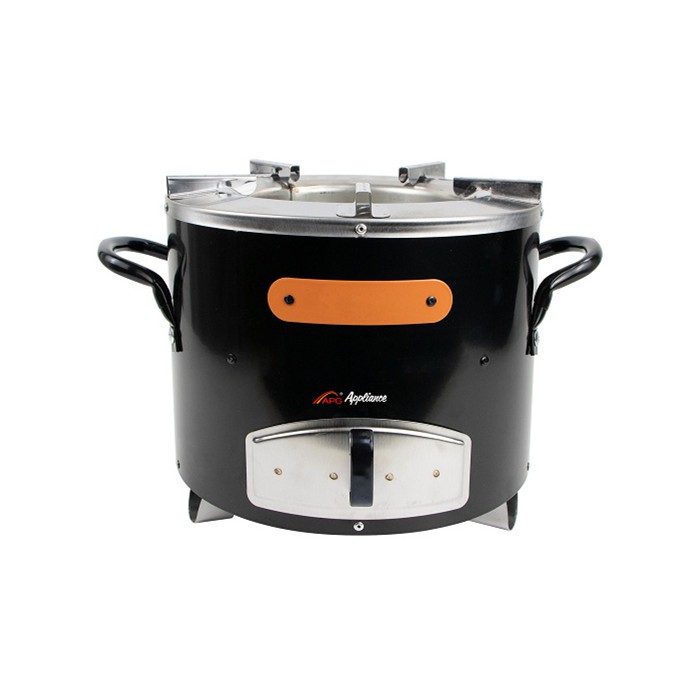

Some stoves can be installed in an existing fireplace, while others require a dedicated installation. If you're not familiar with stove installation, it's recommended to hire a professional installer to ensure the safety and proper functioning of the stove.
5. Check for Safety Features
Safety is of utmost importance when it comes to wood burning stoves. Look for stoves with safety features such as a cool - touch door handle to prevent burns. Some stoves also have automatic shut - off mechanisms in case of overheating.
It's also essential to follow all safety guidelines during installation and use. Keep flammable materials away from the stove, and have your chimney cleaned regularly to prevent chimney fires.
6. Consider the Fuel Type
Wood burning stoves can burn different types of wood, such as hardwoods (e.g., oak, maple) and softwoods (e.g., pine, spruce). Hardwoods generally burn longer and produce more heat, but they can be more expensive. Softwoods are more readily available and cheaper, but they burn faster.
Some stoves can also burn other types of biomass fuels, such as wood pellets. Wood pellet stoves are more convenient as they use pre - made pellets that can be easily stored and fed into the stove.
7. Look for Additional Features
Some wood burning stoves come with additional features that can enhance your experience. For example, some stoves have a back boiler, which can be used to heat water for your home's central heating system or domestic hot water. This can significantly increase the functionality of the stove.
Others may have adjustable air vents, allowing you to control the burn rate and heat output more precisely.
8. Read Reviews and Compare Brands
Before making a final decision, it's a good idea to read reviews from other customers. Online reviews can provide valuable insights into the performance, reliability, and customer service of different stove brands. Compare the features, prices, and reviews of several brands to find the best value for your money.
9. Consider the Windproof Feature
If you plan to use your wood burning stove in an area where there is a lot of wind, such as a cabin in the mountains or a beach house, a Windproof Wood Stove might be a great option. These stoves are designed to maintain a proper draft even in windy conditions, ensuring efficient burning and preventing smoke from blowing back into the room.
Conclusion
Choosing the right wood burning stove requires careful consideration of your heating needs, efficiency, style, installation requirements, safety features, fuel type, additional features, and reviews. By taking the time to research and evaluate different options, you can find a stove that not only heats your home effectively but also adds a touch of charm to your living space.
If you're interested in purchasing a wood burning stove, I encourage you to get in touch with us. Our team of experts is ready to assist you in finding the perfect stove for your home. We offer a wide range of high - quality wood burning stoves at competitive prices. Contact us today to start the procurement process and bring the warmth and comfort of a wood burning stove into your home.
References
- "The Complete Guide to Wood Burning Stoves" by John Smith
- Industry standards and guidelines for wood burning stoves