

Using a kerosene heater in an uninsulated shed is a topic that many people, especially those in need of additional heating in outdoor spaces, often wonder about. As a kerosene heater supplier, I've received numerous inquiries regarding the safety and practicality of this setup. In this blog post, I'll delve into the factors you need to consider before using a kerosene heater in an uninsulated shed, along with the potential benefits and risks.
Understanding Kerosene Heaters
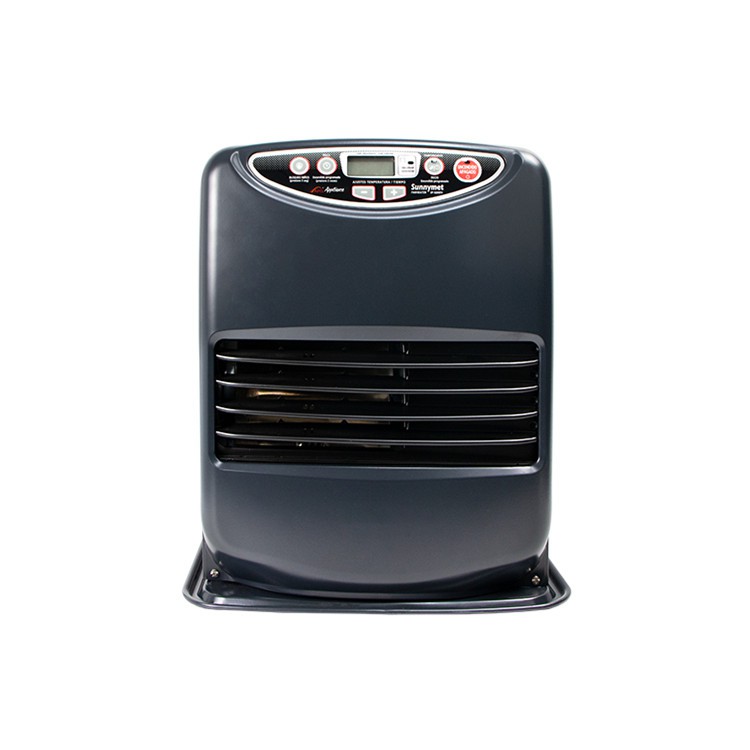
Kerosene heaters are a popular choice for providing heat in various settings, thanks to their portability and relatively high heat output. They work by burning kerosene fuel to produce heat, which is then distributed into the surrounding area. There are different types of kerosene heaters available, including Intelligent Remote Control Kerosene Heater, 2500W Portable Kerosene Heater, and Large Square Heater. Each type has its own features and specifications, catering to different needs and preferences.
Advantages of Using a Kerosene Heater in an Uninsulated Shed
- Cost - Effective Heating: Kerosene is generally more affordable than electricity in many regions. Using a kerosene heater can be a cost - effective way to heat an uninsulated shed, especially if you need to use it for an extended period.
- Portability: Kerosene heaters are often portable, allowing you to move them around the shed as needed. This is particularly useful if you have different areas in the shed that require heating at different times.
- High Heat Output: Kerosene heaters can produce a significant amount of heat, which is essential for warming up an uninsulated shed quickly. They can raise the temperature in the shed to a comfortable level even in cold weather.
Factors to Consider
Ventilation
One of the most crucial factors when using a kerosene heater in an uninsulated shed is ventilation. Kerosene heaters produce carbon monoxide (CO) and other combustion by - products when burning fuel. Carbon monoxide is a colorless, odorless gas that can be extremely dangerous, even fatal, if inhaled in high concentrations.
To ensure proper ventilation, you should have at least one window or vent open in the shed. This allows fresh air to enter and the combustion by - products to exit. A good rule of thumb is to have an opening equivalent to at least 1 square foot for every 10,000 BTUs of heat output from the heater. For example, if your heater has a 30,000 BTU output, you should have at least 3 square feet of ventilation.

Temperature and Heat Loss
Uninsulated sheds lose heat quickly, which means the heater will have to work harder to maintain a comfortable temperature. You need to consider the size of the shed and the heat output of the heater. A larger shed will require a heater with a higher BTU rating.
For instance, a small shed (less than 100 square feet) may be adequately heated by a 5,000 - 7,000 BTU heater, while a larger shed (200 - 300 square feet) may need a 10,000 - 15,000 BTU heater. Keep in mind that the colder the outside temperature, the more heat the shed will lose, and the more powerful the heater you'll need.
Fuel Storage
Proper fuel storage is essential when using a kerosene heater. Kerosene is a flammable liquid, and storing it incorrectly can pose a significant fire risk. You should store kerosene in a approved container, away from the heater and any sources of ignition. The container should be kept in a cool, dry place, and you should only store the amount of fuel that you need for a short period.
Safety Features
When choosing a kerosene heater for your uninsulated shed, look for models with safety features such as tip - over switches and oxygen depletion sensors. A tip - over switch will automatically shut off the heater if it is knocked over, preventing a potential fire. An oxygen depletion sensor will detect a decrease in oxygen levels in the shed and shut off the heater to prevent the build - up of carbon monoxide.
Potential Risks
- Fire Hazard: Kerosene heaters involve an open flame, which can pose a fire risk if not used properly. You should keep the heater away from flammable materials such as wood, paper, and curtains. Make sure the heater is placed on a stable, non - flammable surface.
- Carbon Monoxide Poisoning: As mentioned earlier, kerosene heaters produce carbon monoxide. If the shed is not properly ventilated, carbon monoxide can build up to dangerous levels. Symptoms of carbon monoxide poisoning include headache, dizziness, nausea, and fatigue. In severe cases, it can lead to unconsciousness and death.
- Fuel Spills: Spilling kerosene can create a fire hazard and also cause unpleasant odors. When refilling the heater, be careful not to spill the fuel. If a spill occurs, clean it up immediately using an absorbent material.
Tips for Safe Use
- Read the Manual: Before using the kerosene heater, carefully read the manufacturer's manual. It contains important information about installation, operation, and safety precautions.
- Regular Maintenance: Keep the heater clean and well - maintained. This includes cleaning the wick, checking the fuel lines for leaks, and inspecting the heater for any signs of damage.
- Monitor the Temperature: Use a thermometer to monitor the temperature in the shed. This will help you ensure that the heater is working effectively and prevent overheating.
Conclusion
In conclusion, it is possible to use a kerosene heater in an uninsulated shed, but it requires careful consideration of several factors, including ventilation, temperature, fuel storage, and safety features. By following the proper safety guidelines and taking the necessary precautions, you can safely and effectively heat your uninsulated shed with a kerosene heater.
If you're interested in purchasing a kerosene heater for your uninsulated shed or have any questions about our products, we'd be more than happy to assist you. Feel free to reach out to us to discuss your heating needs and explore the best options for your situation.
References
- "Kerosene Heater Safety Guide" - National Fire Protection Association
- "Carbon Monoxide Poisoning: Symptoms and Prevention" - Centers for Disease Control and Prevention
- "Heating Your Shed: A Comprehensive Guide" - Home Heating Magazine