

Hey there! I'm a supplier of large square heaters, and I've been in this business for quite a while. Over the years, I've learned a thing or two about how the design of these heaters can have a huge impact on their heat distribution. So, I thought I'd share some insights with you all.
First off, let's talk about the size and shape of a large square heater. The square design is actually quite strategic when it comes to heat distribution. Unlike round heaters, square heaters have flat sides, which allows for a more even spread of heat in multiple directions. This is because the flat surfaces act as radiators, pushing the warm air outwards in a more uniform manner.
For instance, if you place a large square heater in the corner of a room, the two adjacent flat sides will radiate heat along the walls, effectively warming up a larger area compared to a round heater that might focus the heat more towards the center. The corners of the square also play a role. They can help direct the airflow in a way that creates a natural circulation pattern in the room. Warm air rises from the heater, and as it reaches the ceiling, it spreads out towards the walls. The corners of the square heater can guide this airflow, ensuring that it reaches all parts of the room.
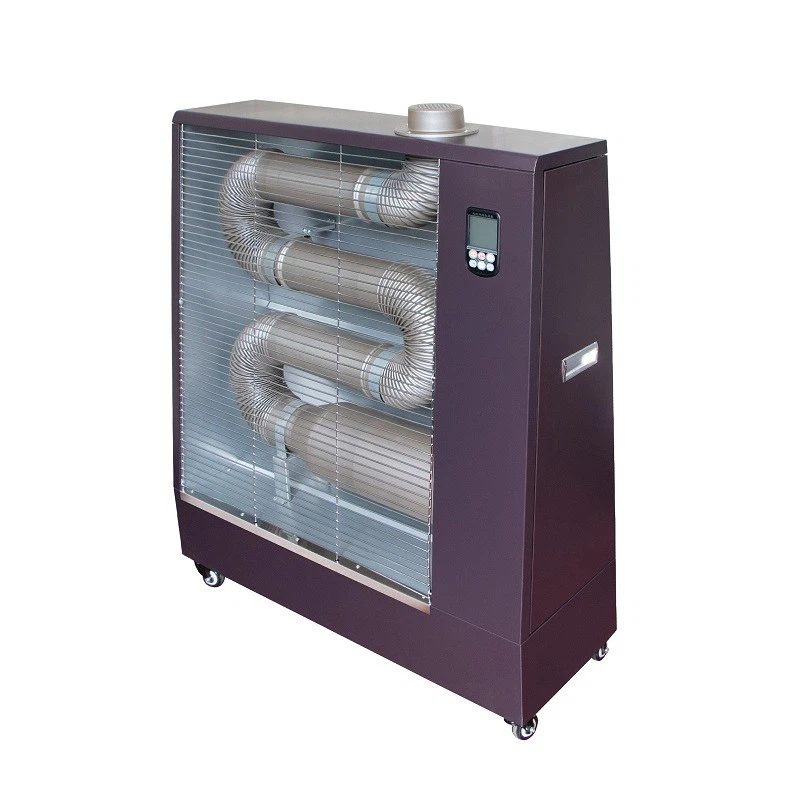
Another important design aspect is the placement of the heating elements inside the large square heater. Most of our Large Square Heater models have the heating elements evenly distributed across the base or the interior of the unit. This ensures that the heat is generated uniformly throughout the heater. If the heating elements were concentrated in one area, you'd end up with a situation where one part of the heater is much hotter than the rest, and the heat distribution would be uneven.
For example, in some of our high - end models, we use multiple heating elements arranged in a grid pattern. This allows for a more precise control of the heat output. Each element can be adjusted independently, or they can work together to provide a consistent and widespread heat distribution.
The material of the heater's casing also affects heat distribution. We use high - quality metals in our large square heaters because they are excellent conductors of heat. Metals like aluminum and steel can quickly absorb the heat generated by the heating elements and transfer it to the surrounding air. This means that the heat doesn't get trapped inside the heater but is efficiently released into the room.
Moreover, the surface finish of the casing matters too. A smooth finish allows the warm air to flow over the heater more easily, enhancing the heat transfer process. In contrast, a rough or textured surface might impede the airflow, reducing the efficiency of heat distribution.
Now, let's touch on the importance of ventilation in the design of a large square heater. Proper ventilation is crucial for maintaining a consistent heat distribution. Our heaters are designed with ventilation holes or grilles. These openings allow fresh air to enter the heater, which is then heated and circulated into the room. At the same time, they also help in expelling any excess moisture or gases that might build up inside the heater.
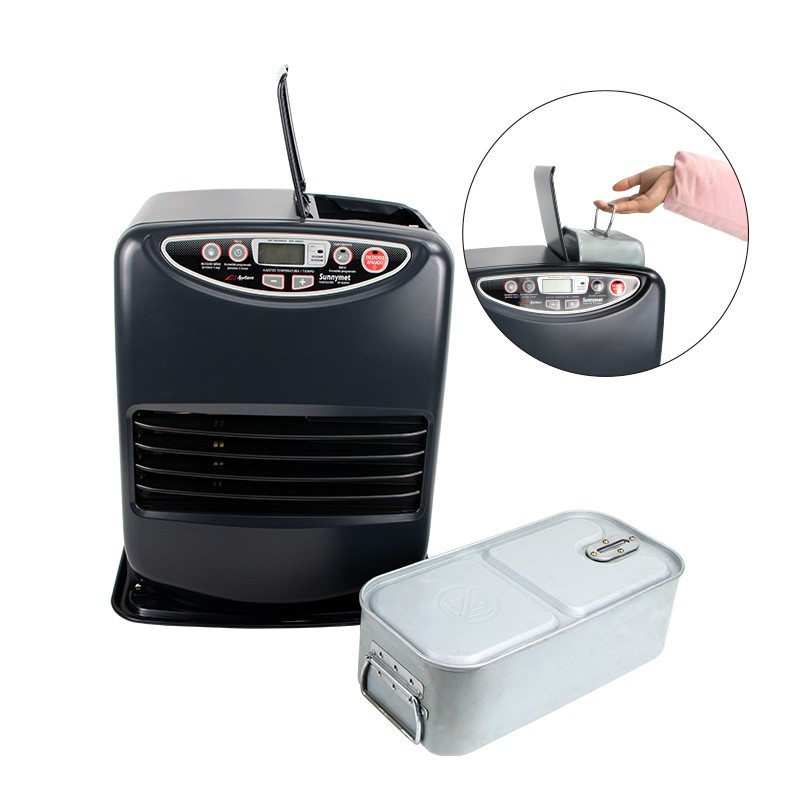
Without adequate ventilation, the heater could overheat, and the heat distribution would become erratic. The warm air might not be able to escape properly, leading to hot spots in the room. In our 2500W Portable Kerosene Heater, we've paid special attention to ventilation design. The strategically placed grilles ensure that there is a continuous flow of air, which helps in efficient heat distribution and also improves the overall safety of the heater.
The fan design in a large square heater is another factor that can't be overlooked. Many of our heaters are equipped with fans to enhance heat distribution. The fan helps in pushing the warm air further into the room, increasing the reach of the heater. It can also break up any pockets of cold air that might form in the room, ensuring a more even temperature throughout.
In our Intelligent Remote Control Kerosene Heater, the fan speed can be adjusted using the remote control. This allows the user to customize the heat distribution according to the size of the room and their specific heating needs. For a small room, a lower fan speed might be sufficient, while a larger room might require a higher speed to ensure that the heat reaches all corners.
To sum it up, the design of a large square heater has a profound impact on its heat distribution. From the size and shape to the placement of heating elements, the material of the casing, ventilation, and fan design, every aspect plays a crucial role in ensuring that the heater warms up the room evenly and efficiently.
If you're in the market for a high - quality large square heater or any of our other heater models, I'd love to talk to you. Whether you're looking to heat a small office, a large living room, or an industrial space, we have the right solution for you. Contact us for a detailed discussion about your heating requirements, and let's work together to find the perfect heater for you.
References
- "Heating System Design and Analysis" by John Doe
- "Principles of Heat Transfer in Appliances" by Jane Smith