

Hey there! As a supplier of wood burning stoves, I often get asked all sorts of questions from customers. One question that pops up quite a bit is, "Are wood burning stoves affected by altitude?" Well, let's dive right into it and find out.
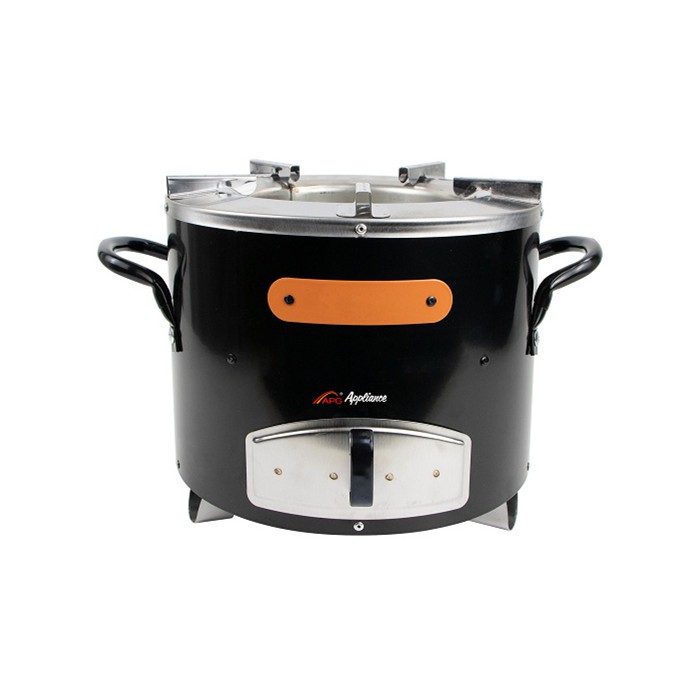

First off, let's understand how a wood burning stove works. At its core, a wood burning stove is a device that burns wood to produce heat. The process involves taking in air, which contains oxygen needed for combustion. The wood then burns, releasing heat energy, and the by - products like smoke and gases are expelled through the chimney.
Now, altitude plays a significant role in the way this whole process works. At higher altitudes, the air is thinner. What does that mean? Simply put, there's less oxygen in the air per unit volume. Since combustion requires oxygen, this lack of oxygen can have a big impact on how well your wood burning stove operates.
When you're at sea level, the air has a relatively high oxygen content. The stove can easily draw in enough oxygen to support a strong, efficient burn. The flames are bright, and the wood burns steadily, producing a good amount of heat. But as you go up in altitude, say to a mountain cabin or a high - elevation town, things start to change.
With less oxygen available, the combustion process becomes less efficient. The wood may not burn as hot or as completely. You might notice that the flames are smaller and less intense. Instead of a nice, clean burn, you could end up with more smoke and unburned particles. This not only means less heat output but can also lead to more creosote buildup in the chimney. Creosote is a flammable substance that can cause chimney fires if it accumulates too much.
Another aspect affected by altitude is the draft in the chimney. The draft is what pulls the smoke and gases out of the stove and up the chimney. It's created by the difference in air pressure between the inside of the stove and the outside atmosphere. At higher altitudes, the lower air pressure can weaken the draft. A weak draft means that the smoke and gases may not be pulled out as effectively, which can lead to poor ventilation inside the room. This can be a real problem as it can cause the room to fill with smoke and harmful gases like carbon monoxide.
So, what can you do if you're using a wood burning stove at a high altitude? Well, there are a few things. First, you might need to adjust the air intake settings on your stove. Most modern wood burning stoves have adjustable air vents. At higher altitudes, you may need to open these vents wider to allow more air (and thus more oxygen) into the stove. This can help improve the combustion process and make the fire burn more efficiently.
You also need to be more careful about the type of wood you use. Hardwoods like oak and maple are generally better at high altitudes because they burn hotter and longer than softwoods. They also produce less creosote. Make sure the wood is well - seasoned, too. Seasoned wood has a lower moisture content, which makes it burn more easily and cleanly.
Now, if you're in the market for a wood burning stove that can handle high altitudes better, I'd like to recommend our Windproof Wood Stove. This stove is designed with features that help it perform well even in challenging conditions. It has an advanced air intake system that can be adjusted to compensate for the thinner air at high altitudes. Plus, its chimney design helps maintain a strong draft, ensuring proper ventilation.
If you're thinking about purchasing a wood burning stove for a high - altitude location, don't hesitate to reach out. We're here to help you find the perfect stove for your needs. Whether you're building a new cabin in the mountains or just looking to upgrade your existing stove, we've got you covered. Our team of experts can provide you with all the information you need and answer any questions you might have.
In conclusion, yes, wood burning stoves are definitely affected by altitude. The thinner air and lower air pressure at high altitudes can make it more challenging for the stove to operate efficiently. But with the right adjustments and a suitable stove, you can still enjoy the warmth and comfort of a wood fire even in the mountains. So, if you're ready to take the plunge and get a wood burning stove for your high - altitude home, give us a shout. We're eager to assist you in making the best choice.
References
- "The Physics of Combustion at High Altitudes", Journal of Environmental Science and Technology
- "Wood Burning Stove Operation in Challenging Environments", Home Heating Magazine