

Can a kerosene heater be used in an attic? That's a question I get asked a lot as a kerosene heater supplier. There's no simple yes or no answer, so let's dig into the details.
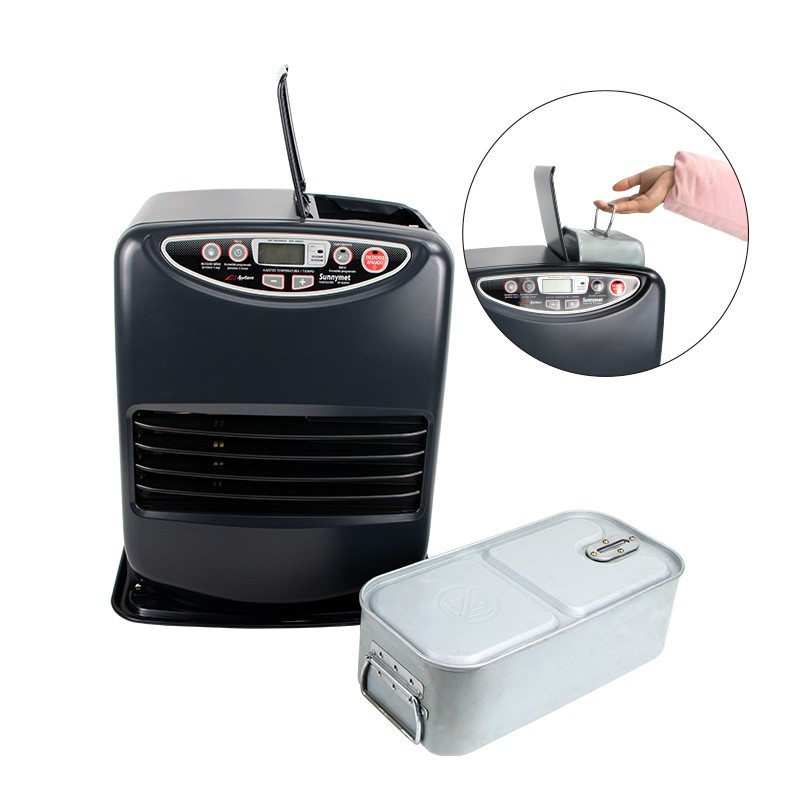
First off, let's talk about how kerosene heaters work. These heaters burn kerosene to produce heat. They're great because they're portable and can provide a decent amount of warmth, even in larger spaces. We've got some really cool models, like the Large Square Heater, which is perfect for bigger areas. And if you're on the move, our 2500W Portable Kerosene Heater is a real game - changer.
Now, let's think about attics. Attics are usually not well - insulated and can get pretty cold in the winter. Using a kerosene heater might seem like a good idea to warm them up. But there are some things you need to consider.
One of the main concerns is ventilation. Kerosene heaters produce carbon monoxide (CO) when they burn kerosene. CO is a colorless, odorless gas that can be really dangerous. If there's not enough ventilation in the attic, CO can build up to dangerous levels. Breathing in high levels of CO can cause headaches, dizziness, nausea, and in extreme cases, it can even be fatal. So, if you're going to use a kerosene heater in an attic, you need to make sure there's proper ventilation. This could mean having a window slightly open or an exhaust fan installed.
Another thing to think about is the risk of fire. Kerosene is a flammable fuel, and if there's a spill or a malfunction with the heater, it could start a fire. Attics often have a lot of stored items, like old clothes, boxes, and insulation materials, which can easily catch fire. You need to place the heater on a stable, non - flammable surface and keep it away from anything that could burn. Also, make sure to follow the manufacturer's instructions for using and maintaining the heater.
The moisture levels in the attic are also important. Kerosene heaters can add moisture to the air as they burn. In an attic, this extra moisture can lead to problems like mold growth. Mold can cause health issues, especially for people with allergies or respiratory problems. To prevent this, you might need to use a dehumidifier in the attic along with the heater.
Now, let's talk about the benefits of using a kerosene heater in an attic. If you can manage the ventilation, fire safety, and moisture issues, a kerosene heater can be a cost - effective way to heat the attic. You don't have to rely on your central heating system to warm up this often - neglected space. And with our Intelligent Remote Control Kerosene Heater, you can easily adjust the temperature from anywhere in the attic.
When choosing a kerosene heater for your attic, you need to think about the size of the space. A small heater won't be enough to warm a large attic, while an oversized heater can waste fuel and create too much heat. You should calculate the square footage of the attic and choose a heater with the appropriate heating capacity.
Let's also touch on the maintenance of kerosene heaters. Regular maintenance is crucial to keep the heater working properly and safely. You need to clean the wick (if it's a wick - type heater), check the fuel tank for leaks, and make sure all the parts are in good condition. If you're not comfortable doing the maintenance yourself, you can always take it to a professional.
In summary, using a kerosene heater in an attic is possible, but it comes with some risks. You need to take the necessary precautions to ensure your safety. If you're willing to manage the ventilation, fire safety, and moisture issues, a kerosene heater can be a great option for heating your attic.
If you're interested in purchasing a kerosene heater for your attic or any other space, we're here to help. We've got a wide range of high - quality kerosene heaters to suit your needs. Whether you need a large - scale heater for a big attic or a portable one for a smaller area, we've got you covered. Just get in touch with us to start the procurement discussion, and we'll work with you to find the perfect heater for your situation.
References

- General knowledge about kerosene heaters and their safety considerations
- Fire safety guidelines for using flammable fuel heaters
- Information on carbon monoxide and its effects on human health