

When it comes to wood burning stoves, the choice of bricks plays a crucial role in ensuring optimal performance, durability, and safety. As a reputable wood burning stove supplier, I have extensive knowledge and experience in selecting the right bricks for these stoves. In this blog post, I will delve into the different types of bricks commonly used in wood burning stoves, their characteristics, and why they are essential for a high - quality stove.
Firebricks
Firebricks are perhaps the most well - known and widely used bricks in wood burning stoves. These bricks are specifically designed to withstand high temperatures, making them ideal for the intense heat generated by a burning fire.
Characteristics
- High Heat Resistance: Firebricks can typically withstand temperatures up to 1800°C (3272°F). This high heat tolerance ensures that the bricks do not crack or break under the extreme heat conditions inside a wood burning stove.
- Low Thermal Conductivity: They have a low ability to conduct heat. This means that they help to retain the heat within the stove, making the stove more efficient. The heat is radiated slowly back into the room, providing a steady and long - lasting source of warmth.
- Insulating Properties: Firebricks act as insulators, protecting the outer casing of the stove from getting too hot. This not only makes the stove safer to use but also helps to prevent heat loss from the sides of the stove.
Usage in Wood Burning Stoves
In a wood burning stove, firebricks are usually used to line the firebox. The firebox is the area where the wood is burned, and it experiences the highest temperatures. By lining the firebox with firebricks, the stove can maintain a high internal temperature, which promotes more complete combustion of the wood. This results in less smoke, more heat output, and lower emissions.
Refractory Bricks
Refractory bricks are similar to firebricks but are often used in more specialized applications or in stoves that require even higher heat resistance.
Characteristics
- Exceptional Heat Resistance: Refractory bricks can handle temperatures even higher than regular firebricks, sometimes up to 2000°C (3632°F). This makes them suitable for industrial - grade wood burning stoves or stoves that burn at extremely high intensities.
- Chemical Resistance: They are resistant to chemical reactions that can occur at high temperatures. For example, they can withstand the corrosive effects of ash and other by - products of wood combustion.
- Dense Structure: Refractory bricks have a dense structure, which gives them good mechanical strength. This means they can withstand the physical stress of wood being loaded into the stove and the movement of the burning wood.
Usage in Wood Burning Stoves
In high - performance wood burning stoves, refractory bricks may be used in areas of the firebox that are subject to the most intense heat, such as the bottom or the back wall. They can also be used in the flue system to protect it from the high - temperature gases flowing through.
Insulating Firebricks
Insulating firebricks are designed to provide excellent insulation while still being able to withstand relatively high temperatures.
Characteristics
- Low Density: These bricks are much lighter than regular firebricks because they have a porous structure. The porosity reduces the density and also helps to trap air, which is a poor conductor of heat.
- Good Insulation: Their main function is to insulate the stove, reducing heat loss to the surrounding environment. This makes the stove more energy - efficient and helps to keep the outer surface of the stove cooler.
- Moderate Heat Resistance: While they can withstand temperatures up to around 1200°C (2192°F), they are not as heat - resistant as regular firebricks or refractory bricks.
Usage in Wood Burning Stoves
Insulating firebricks are often used in the outer layers of the firebox or around the flue. They help to create a thermal barrier between the hot interior of the stove and the outside world, improving the overall efficiency of the stove.
Ceramic Fiber Bricks
Ceramic fiber bricks are a relatively new type of brick used in wood burning stoves.

Characteristics
- High Flexibility: They are more flexible than traditional bricks, which allows for easier installation, especially in irregularly shaped stoves.
- Excellent Insulation: Ceramic fiber bricks have very low thermal conductivity, providing superior insulation. This helps to keep the heat inside the stove and reduces the amount of heat that is lost through the walls of the stove.
- Lightweight: They are extremely lightweight, which makes them easy to handle during the manufacturing and installation process.
Usage in Wood Burning Stoves
These bricks can be used in various parts of the wood burning stove, including the firebox lining and the insulation around the stove. Their flexibility makes them a great choice for custom - designed stoves or stoves with unique shapes.
Why the Right Bricks Matter
Choosing the right bricks for a wood burning stove is not just about heat resistance. It also affects the overall performance, efficiency, and lifespan of the stove.
- Performance: The right bricks can help to create a stable and consistent heat source. For example, firebricks and refractory bricks in the firebox ensure that the wood burns evenly and completely, maximizing the heat output.
- Efficiency: Insulating bricks, such as insulating firebricks and ceramic fiber bricks, reduce heat loss, making the stove more energy - efficient. This means that less wood is needed to produce the same amount of heat, saving both money and resources.
- Lifespan: High - quality bricks can withstand the wear and tear of repeated heating and cooling cycles. They are less likely to crack or break, which extends the lifespan of the stove and reduces the need for frequent repairs.
Our Windproof Wood Stove
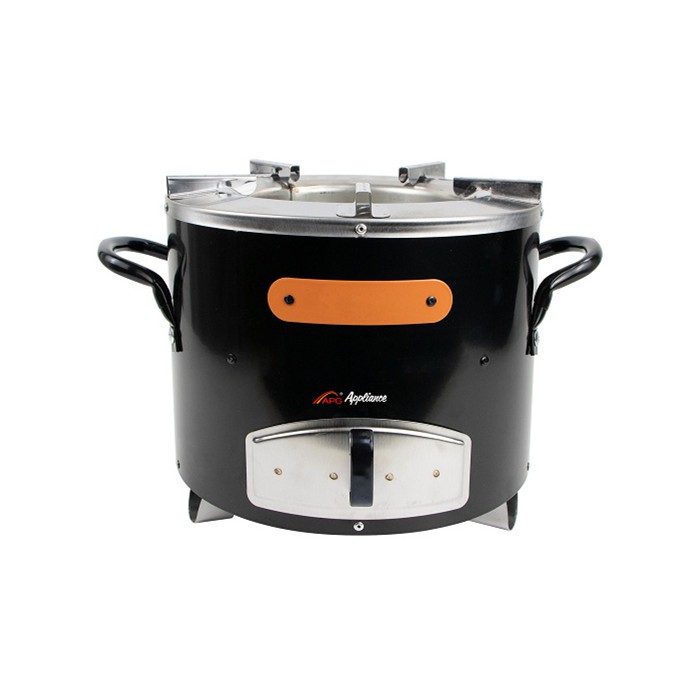
At our company, we understand the importance of using the right bricks in our wood burning stoves. That's why we offer a Windproof Wood Stove that is carefully constructed with the best quality bricks. Our stoves are designed to provide efficient and reliable heating, even in windy conditions. The use of high - grade firebricks in the firebox ensures complete combustion of the wood, while the insulating bricks around the stove keep the heat inside and make the stove safer to use.
Contact Us for Procurement
If you are interested in purchasing a wood burning stove or need more information about the bricks used in our stoves, we encourage you to contact us. Our team of experts is ready to answer all your questions and guide you through the procurement process. Whether you are a homeowner looking for a reliable heating solution or a business in need of a high - performance wood burning stove, we have the products and knowledge to meet your needs.
References
- ASTM International. (2019). Standard Terminology Relating to Refractory Materials. ASTM C71 - 19.
- Perry, R. H., & Green, D. W. (2008). Perry's Chemical Engineers' Handbook. McGraw - Hill.
- Wood Stove Design and Operation. (2020). A Guide for Homeowners. U.S. Department of Energy.