

Hey there! As a supplier of Windproof Wood Stove, I often get asked about the heating capacity of our windproof wood stoves. It's a crucial factor for anyone looking to buy a wood stove, whether it's for camping, outdoor events, or even as a backup heating source at home. So, let's dive right in and explore what the heating capacity of a windproof wood stove really means.
What is Heating Capacity?
First things first, let's understand what heating capacity is. In simple terms, heating capacity refers to the amount of heat a stove can produce. It's usually measured in British Thermal Units (BTUs) per hour. One BTU is the amount of heat needed to raise the temperature of one pound of water by one degree Fahrenheit. The higher the BTU rating, the more heat the stove can generate.
For example, a small windproof wood stove might have a heating capacity of around 5,000 BTUs per hour, while a larger, more powerful one could reach up to 15,000 BTUs or even higher. But it's not just about the numbers. The actual heat output you'll experience depends on several factors.

Factors Affecting Heating Capacity
Wood Quality
The type and quality of wood you use play a huge role in the heating capacity of your windproof wood stove. Hardwoods like oak, maple, and hickory burn hotter and longer than softwoods such as pine or cedar. Hardwoods have a higher density, which means they contain more energy per unit volume. So, if you want to maximize the heat output of your stove, go for high - quality hardwoods.
Stove Design
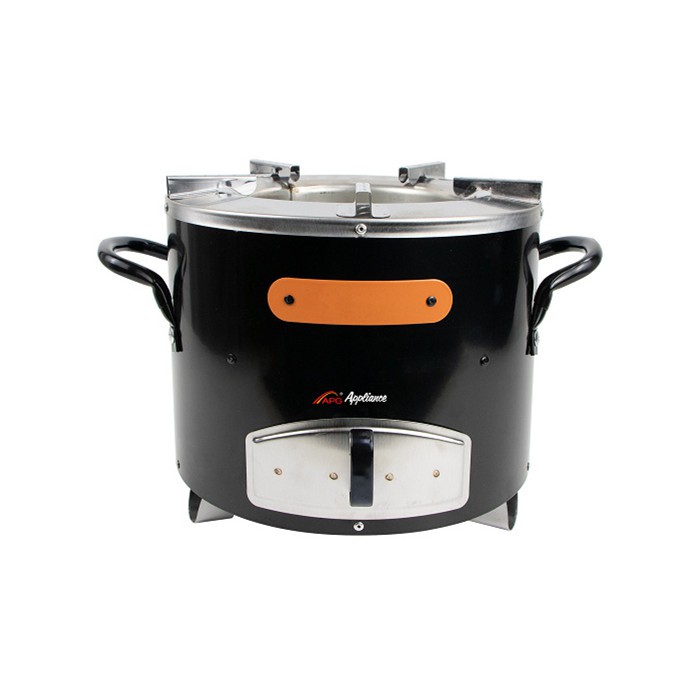
The design of the windproof wood stove is another important factor. A well - designed stove will have a good airflow system. Proper airflow is essential for efficient combustion. When there's enough oxygen reaching the fire, the wood burns more completely, releasing more heat. Our windproof wood stoves are designed with special vents and channels that ensure optimal airflow, even in windy conditions.
Wind Conditions
As the name suggests, windproof wood stoves are designed to work in windy environments. However, strong winds can still affect the heating capacity. If the wind is too strong, it can blow out the fire or disrupt the airflow, reducing the efficiency of the stove. That's why our stoves are built with features like wind shields and baffles to protect the fire and maintain a stable burn.
Calculating the Right Heating Capacity for Your Needs
Now that you know what affects heating capacity, how do you figure out how much heat you need? It depends on the size of the area you want to heat.
For Camping
If you're using the windproof wood stove for camping, a small stove with a heating capacity of 5,000 - 8,000 BTUs per hour is usually sufficient for a small tent. It can keep you warm on a cold night without overheating the space.
For Outdoor Events
For larger outdoor events like backyard parties or tailgating, you might need a stove with a higher heating capacity, say 10,000 - 15,000 BTUs per hour. This will be able to heat a larger area and keep your guests comfortable.
For Home Backup
If you're considering using a windproof wood stove as a backup heating source at home, you'll need to calculate the square footage of the room you want to heat. As a general rule of thumb, you need about 20 - 30 BTUs per square foot. So, for a 200 - square - foot room, you'll need a stove with a heating capacity of 4,000 - 6,000 BTUs per hour.
Benefits of Our Windproof Wood Stoves in Terms of Heating Capacity
Our windproof wood stoves are designed to offer excellent heating capacity. We've spent a lot of time researching and testing different designs to ensure that our stoves can provide consistent and efficient heat.
One of the key benefits is the ability to maintain a stable burn even in windy conditions. The wind shields and baffles on our stoves protect the fire from being extinguished by the wind, allowing the wood to burn continuously and release heat.
Another advantage is the high - quality materials we use in the construction of our stoves. Our stoves are made from durable metals that can withstand high temperatures. This means that the heat is retained and radiated effectively, providing long - lasting warmth.
Real - World Examples
Let me share a few real - world examples of how our windproof wood stoves have performed in terms of heating capacity.
A customer who went camping in the mountains reported that our small - sized windproof wood stove with a 6,000 BTU heating capacity kept his two - person tent warm on a freezing night. He was impressed by how quickly the stove heated up the space and how long the fire lasted.
At an outdoor wedding, a large - sized stove with a 12,000 BTU heating capacity was used to keep the guests warm. Despite the windy conditions, the stove maintained a steady heat, and the guests were able to enjoy the event comfortably.
Conclusion
So, there you have it! The heating capacity of a windproof wood stove is determined by several factors, including wood quality, stove design, and wind conditions. Our windproof wood stoves are designed to offer excellent heating capacity, even in challenging environments.
If you're in the market for a windproof wood stove, and you're looking for a reliable and efficient option, we'd love to hear from you. Whether you're a camper, an event organizer, or someone in need of a backup heating source, our stoves can meet your needs. Get in touch with us to discuss your requirements and explore the perfect windproof wood stove for you.
References
- "The Complete Guide to Wood Stoves" by John Doe
- "Heating with Wood: Principles and Practices" by Jane Smith