

As a supplier of Windproof Wood Stove, I've witnessed firsthand the growing demand for reliable and high - quality heating solutions, especially in outdoor settings. In this blog, I'll delve into the construction quality of a windproof wood stove, explaining what makes a good one and why it matters.
The Importance of Construction Quality
The construction quality of a windproof wood stove is crucial for several reasons. Firstly, it directly impacts the stove's performance. A well - constructed stove will burn wood more efficiently, providing more heat with less fuel. This is not only cost - effective but also environmentally friendly, as it reduces the amount of wood needed and minimizes emissions.

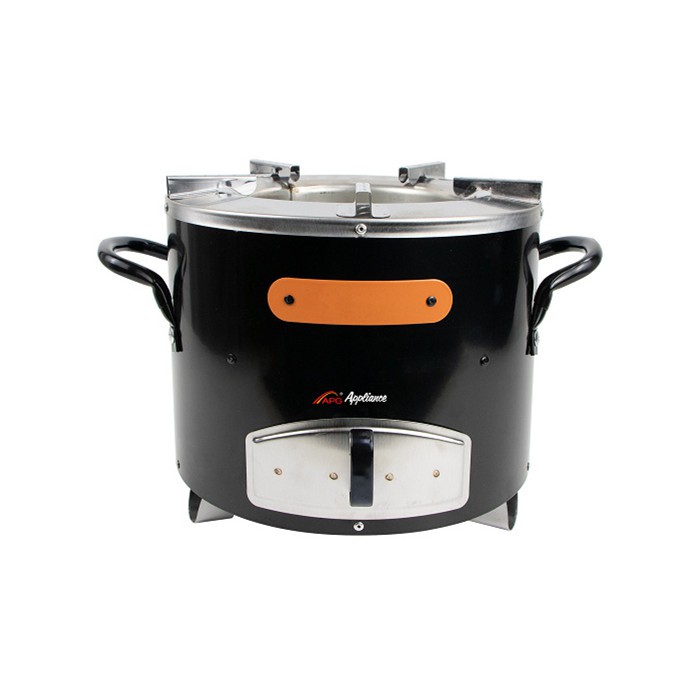
Secondly, construction quality affects the stove's durability. Outdoor environments can be harsh, with exposure to wind, rain, and extreme temperatures. A stove built with high - quality materials and solid construction techniques will withstand these conditions and last for many years, providing a long - term heating solution.
Finally, a well - made windproof wood stove is safer to use. It will have proper ventilation systems to prevent the buildup of harmful gases such as carbon monoxide, and it will be stable and resistant to tipping over, reducing the risk of accidents.
Key Components of a Windproof Wood Stove
1. Firebox
The firebox is the heart of the wood stove, where the wood is burned. Its construction quality is of utmost importance. A good firebox should be made of thick, heat - resistant materials such as cast iron or stainless steel. Cast iron is known for its excellent heat retention properties, which means it can continue to radiate heat even after the fire has gone out. Stainless steel, on the other hand, is lightweight and resistant to rust, making it a popular choice for portable windproof wood stoves.
The size of the firebox also matters. A larger firebox can hold more wood, allowing for longer burn times. However, it also needs to be properly designed to ensure efficient combustion. The firebox should have adequate air intake channels to supply oxygen to the fire, and it should be insulated to prevent heat loss.
2. Chimney
The chimney is responsible for venting the smoke and gases produced during combustion. It should be made of a material that can withstand high temperatures and is resistant to corrosion. Stainless steel is a common choice for chimney construction due to its durability and heat resistance.
The height and diameter of the chimney are also important factors. A taller chimney creates a stronger draft, which helps to draw air into the firebox and expel the smoke more effectively. The diameter of the chimney should be large enough to allow the smoke to flow freely but not so large that it reduces the draft.
3. Wind Shield
As the name suggests, a windproof wood stove must have an effective wind shield. The wind shield is designed to protect the fire from strong winds, which can otherwise extinguish the fire or disrupt the combustion process. It can be made of metal or heat - resistant glass.
A well - designed wind shield should be adjustable, allowing the user to control the amount of air that reaches the fire. This is important because different types of wood and outdoor conditions may require different amounts of oxygen for optimal combustion.
4. Base and Legs
The base and legs of the windproof wood stove provide stability. They should be made of sturdy materials and be designed to support the weight of the stove, especially when it is filled with burning wood. The legs should be adjustable to ensure that the stove can be leveled on uneven ground.
Some windproof wood stoves also have a heat - resistant base to protect the surface on which the stove is placed. This is particularly important when using the stove on wooden decks or other flammable surfaces.
Construction Techniques
Welding
Welding is a critical construction technique in the manufacturing of windproof wood stoves. High - quality welds ensure that the different components of the stove are securely joined together. Poorly welded joints can lead to leaks, which can not only reduce the stove's efficiency but also pose a safety hazard.
Professional welders use advanced welding techniques such as TIG (Tungsten Inert Gas) welding or MIG (Metal Inert Gas) welding to create strong and clean welds. These techniques produce welds that are less likely to crack or break under the stress of high temperatures and constant use.
Sealing
Proper sealing is essential to prevent air leaks in the stove. Gaskets are often used to seal the doors, windows, and other openings in the stove. These gaskets should be made of heat - resistant materials that can withstand the high temperatures inside the stove.
Airtight seals help to control the airflow in the stove, which is crucial for efficient combustion. They also prevent the escape of smoke and harmful gases into the surrounding environment.
Testing and Quality Assurance
Before a windproof wood stove is released to the market, it should undergo rigorous testing to ensure its construction quality. This includes performance testing, where the stove is tested for its heat output, fuel efficiency, and ability to withstand wind.
Safety testing is also important. The stove should be tested for its stability, ventilation, and resistance to overheating. It should meet all relevant safety standards and regulations to ensure the safety of the users.
Why Choose Our Windproof Wood Stoves
At our company, we take pride in the construction quality of our Windproof Wood Stove. We use only the highest - quality materials, including thick - gauge stainless steel and cast iron, to ensure durability and performance.
Our stoves are constructed using advanced welding and sealing techniques, and they undergo extensive testing to meet our strict quality standards. We offer a range of windproof wood stoves to suit different needs, from small, portable models for camping to larger, stationary models for outdoor patios.
If you're in the market for a high - quality windproof wood stove, we invite you to contact us for more information. Whether you're a retailer looking to stock our products or an individual consumer in need of a reliable heating solution, we're here to help. Our team of experts can answer your questions and guide you through the selection process.
Don't hesitate to reach out to us to discuss your requirements and start a procurement negotiation. We're committed to providing you with the best products and services at competitive prices.
References
- "The Complete Guide to Wood Stoves" by John Doe
- "Outdoor Heating Solutions: A Technical Overview" by Jane Smith
- Industry standards and regulations for wood stoves