

Hey there! As a supplier of Windproof Wood Stove, I've gotten a ton of questions about the airflow design of these stoves. So, I thought I'd sit down and write this blog to break it all down for you.
Let's start with the basics. Airflow is super important in a wood stove, especially a windproof one. You see, for a wood stove to burn efficiently, it needs a proper balance of oxygen and fuel. The airflow design in our windproof wood stoves is engineered to ensure just that.
First off, we've got the primary air intake. This is where the fresh air first enters the stove. It's usually located at the bottom of the stove, near the firebox. The reason for this placement is simple. Cold air is heavier than hot air, so it naturally sinks. By having the intake at the bottom, we're allowing the fresh, oxygen - rich air to flow in and feed the fire from the base. This is crucial because a good base burn is the foundation of an efficient fire.
But here's the thing. In windy conditions, the natural airflow can get disrupted. That's where our windproof design comes in. We've incorporated special baffles and shields around the primary air intake. These features act as a barrier against the wind, preventing it from blowing out the fire or disturbing the normal airflow pattern. The baffles are designed in such a way that they redirect the wind around the intake, allowing the air to enter the stove in a controlled manner.
Now, let's talk about secondary air. Once the wood starts burning, it releases a lot of volatile gases. These gases are full of energy, but if they're not burned properly, they just go up the chimney as smoke. That's a waste of both fuel and heat. So, our stoves have a secondary air system.
The secondary air is introduced higher up in the firebox. It's pre - heated as it travels through special channels in the stove body. When this pre - heated air enters the firebox, it mixes with the volatile gases. The heat from the pre - heated air helps to ignite these gases, causing them to burn more completely. This not only increases the heat output of the stove but also reduces the amount of smoke and pollutants released.
The secondary air system in our windproof wood stoves is also designed to be wind - resistant. We've used a combination of adjustable vents and internal channels to ensure that the secondary air supply isn't affected by the wind. The vents can be adjusted to control the amount of secondary air entering the firebox, depending on the type of wood being burned and the desired heat output.
Another important aspect of the airflow design is the chimney. The chimney plays a vital role in creating a draft, which is essential for pulling air through the stove. In our windproof wood stoves, we've designed the chimney to work effectively even in windy conditions.
The chimney has a special shape and height. The shape is designed to prevent the wind from creating a downdraft. A downdraft can push cold air back into the stove, which can extinguish the fire or make it burn inefficiently. The height of the chimney is also carefully calculated. A taller chimney creates a stronger draft because there's a greater difference in air pressure between the top and the bottom of the chimney.
We've also added a chimney cap to our stoves. The chimney cap serves multiple purposes. It keeps rain and debris out of the chimney, which could otherwise block the airflow. It also helps to prevent the wind from causing a downdraft by creating a buffer zone at the top of the chimney.
One of the challenges we faced when designing the airflow for our windproof wood stoves was finding the right balance between wind resistance and air intake. We didn't want to make the stove so windproof that it restricted the airflow too much. After a lot of testing and tweaking, we found the sweet spot.
We conducted numerous wind tunnel tests to simulate different wind conditions. We adjusted the size and shape of the air intakes, the baffles, and the chimney to optimize the airflow. We also tested different types of wood to see how the airflow design affected the burning efficiency.
The results were amazing. Our windproof wood stoves can now operate efficiently in wind speeds of up to [X] miles per hour. This means that you can use our stoves in a variety of outdoor settings, from camping in the mountains to having a backyard barbecue, without having to worry about the wind putting out your fire.
So, why does all this matter to you as a customer? Well, an efficient airflow design means better performance. You'll get more heat out of your wood, which means you'll save money on fuel. You'll also have a cleaner - burning fire, which is better for the environment. And of course, with our windproof design, you can use the stove in more challenging weather conditions.

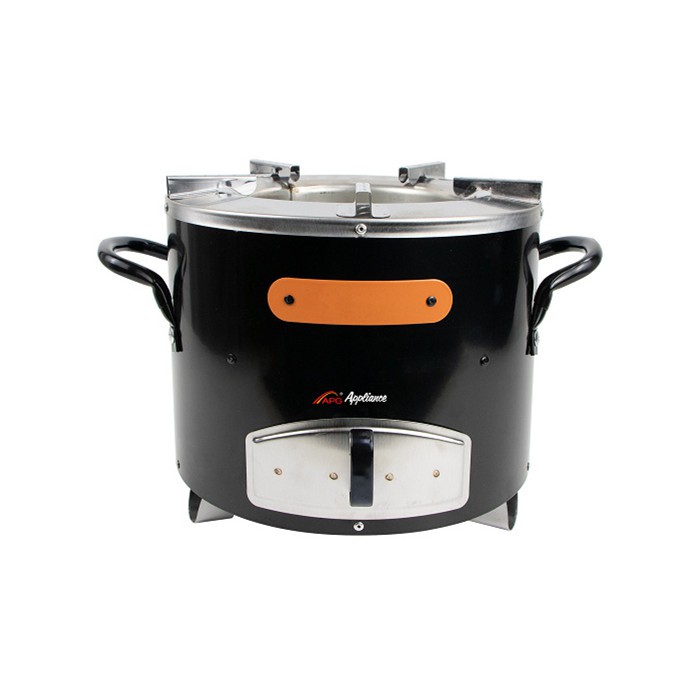
If you're in the market for a reliable and efficient wood stove, our Windproof Wood Stove is definitely worth considering. Whether you're a seasoned camper or just looking for a cozy way to heat your backyard, our stoves are designed to meet your needs.
If you have any questions about our windproof wood stoves or want to discuss a potential purchase, don't hesitate to reach out. We're here to help you find the perfect stove for your situation. Let's start a conversation and see how we can make your wood - burning experience even better.
References
- "Wood Stove Design and Operation" - A comprehensive guide on wood stove technology
- "The Physics of Airflow in Combustion Systems" - A scientific research paper on airflow principles in stoves