

Hey there! As a supplier of Windproof Wood Stove, I'm super stoked to chat about the air intake design of these amazing stoves. Windproof wood stoves have become a popular choice for many folks, whether it's for heating up a cozy cabin or an outdoor cooking setup. And a big part of what makes them so effective lies in their air intake design.
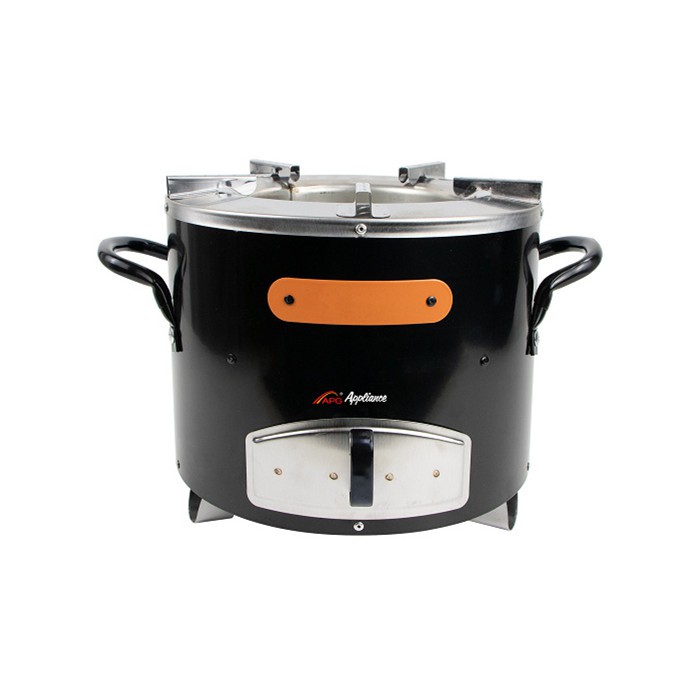

Let's start with the basics. Why is air intake so important in a wood stove? Well, burning wood requires oxygen. Without an adequate supply of oxygen, the wood won't burn efficiently, and you'll end up with a lot of smoke and less heat. The air intake design in a windproof wood stove is carefully crafted to ensure that the right amount of air gets to the fire at the right time.
There are a few different types of air intake designs commonly used in windproof wood stoves. The first one is the primary air intake. This is the main source of air that provides the oxygen needed for the initial combustion of the wood. Usually, it's located at the bottom of the stove. When you open the primary air intake, fresh air rushes in, hitting the wood and helping it catch fire. The size and positioning of the primary air intake are crucial. If it's too small, the fire might not get enough oxygen to start properly. If it's too large, the fire could burn too fast and use up the wood quickly.
Many windproof wood stoves also have a secondary air intake. This one is designed to provide additional oxygen to the hot gases and smoke that are produced during combustion. When these gases rise in the stove, they still contain a lot of unburned particles. The secondary air intake lets in fresh air that mixes with these hot gases, causing them to burn more completely. This not only makes the stove more efficient but also reduces the amount of smoke and pollutants released into the air.
Some high - end windproof wood stoves even come with a tertiary air intake. This extra air supply helps to further optimize the combustion process. It can target specific areas in the stove where the combustion might not be as complete, ensuring that almost all of the available fuel is burned.
Now, let's talk about how windproof wood stoves deal with, well, the wind. Wind can be a real pain when it comes to wood stoves. It can blow out the fire or disrupt the air flow inside the stove. That's why the air intake design of windproof wood stoves takes wind into account.
One common approach is to use baffles or deflectors around the air intake. These are like little shields that redirect the wind. Instead of blowing directly into the air intake and causing chaos, the wind is guided around it. This way, the air flow into the stove remains relatively stable, and the fire can keep burning smoothly.
Another design feature is the shape of the air intake. Some stoves have air intakes that are angled or curved. This helps to prevent the wind from creating a negative pressure inside the stove, which could suck the fire out. The angled or curved design also allows the air to enter the stove in a more controlled manner, even when there's a strong wind blowing.
The materials used in the air intake construction also play a role. High - quality, durable materials are essential to withstand the harsh conditions, especially in outdoor settings. Stainless steel is a popular choice because it's resistant to rust and corrosion. It can also handle the heat generated by the fire without warping or deforming.
As a supplier, I've seen firsthand the impact of a well - designed air intake on the performance of a windproof wood stove. Customers are often amazed at how much more efficient and reliable their stoves are when the air intake is optimized. They can enjoy a warm fire for longer periods without having to constantly add more wood, and they don't have to deal with a lot of smoke.
But it's not just about the technical aspects. A good air intake design also makes the stove more user - friendly. For example, some stoves have adjustable air intakes. This means that you can control the amount of air going into the stove depending on how hot you want the fire to be. If you're just looking to keep a low - level heat going, you can close the air intake a bit. If you need to quickly heat up a space, you can open it wide.
In addition to the performance benefits, a well - designed air intake can also enhance the safety of the stove. When the fire burns more efficiently, there's less chance of creosote buildup in the chimney. Creosote is a highly flammable substance that can cause chimney fires if not properly removed. By ensuring complete combustion, the air intake design helps to reduce the risk of these dangerous fires.
If you're in the market for a windproof wood stove, I highly recommend paying close attention to the air intake design. It can make a world of difference in how well the stove works and how much you enjoy using it. And as a supplier, I'm here to help you find the perfect stove for your needs. Whether you're a seasoned outdoor enthusiast or just looking for a reliable way to heat your home, we've got a wide range of windproof wood stoves with different air intake designs to choose from.
If you're interested in our products or have any questions about the air intake design or other features of our windproof wood stoves, don't hesitate to reach out. We're more than happy to have a chat and help you make an informed decision. You can contact us to start a discussion about your requirements and how our stoves can meet them.
References:
- "The Complete Guide to Wood Stoves" - A comprehensive book on wood stove technology and design.
- Industry research papers on combustion efficiency in wood stoves.