

As a supplier of kerosene heaters, I am well - versed in the ins and outs of these heating devices. While kerosene heaters offer certain advantages, such as portability and the ability to provide heat during power outages, it's essential to be aware of their disadvantages. In this blog, I'll explore some of the drawbacks associated with using a kerosene heater.
1. Air Quality Concerns
One of the most significant disadvantages of using a kerosene heater is its impact on indoor air quality. When kerosene burns, it releases a variety of pollutants into the air. For instance, incomplete combustion can lead to the production of carbon monoxide (CO). Carbon monoxide is a colorless, odorless gas that is extremely dangerous. It binds to hemoglobin in the blood more readily than oxygen, reducing the blood's ability to carry oxygen to vital organs. Prolonged exposure to even low levels of carbon monoxide can cause headaches, dizziness, nausea, and in severe cases, it can be fatal.
In addition to carbon monoxide, kerosene heaters also emit nitrogen oxides (NOx). These compounds can irritate the respiratory system, cause inflammation in the lungs, and exacerbate existing respiratory conditions such as asthma and chronic obstructive pulmonary disease (COPD). The fine particulate matter (PM) produced by kerosene combustion can also be inhaled deep into the lungs, leading to long - term health problems.
2. Fire Hazard
Kerosene is a flammable liquid, and kerosene heaters pose a significant fire risk. If the heater is not properly maintained or used incorrectly, it can lead to a fire. For example, if the fuel tank is overfilled, kerosene may spill out and come into contact with a heat source, igniting a fire. Also, if the heater is placed too close to flammable materials such as curtains, furniture, or bedding, there is a high chance of these materials catching fire.
Furthermore, a malfunctioning kerosene heater, such as a blocked burner or a faulty wick, can cause the heater to overheat and potentially start a fire. Even a small spark from the heater can be enough to ignite the kerosene vapors in the air, leading to a dangerous situation.
3. Noise Pollution
Kerosene heaters can be quite noisy, especially when they are operating at high power. The sound of the burning kerosene, the fan (if it has one), and the mechanical components of the heater can create a constant background noise that can be annoying and disruptive. This noise can make it difficult to concentrate, sleep, or have a normal conversation in the room where the heater is being used.
4. Maintenance Requirements
Kerosene heaters require regular maintenance to ensure their safe and efficient operation. The wick, for example, needs to be trimmed and replaced periodically. If the wick is not properly maintained, it can lead to uneven burning, reduced heat output, and increased emissions. The fuel tank also needs to be cleaned regularly to prevent the buildup of dirt and debris, which can clog the fuel lines and affect the heater's performance.
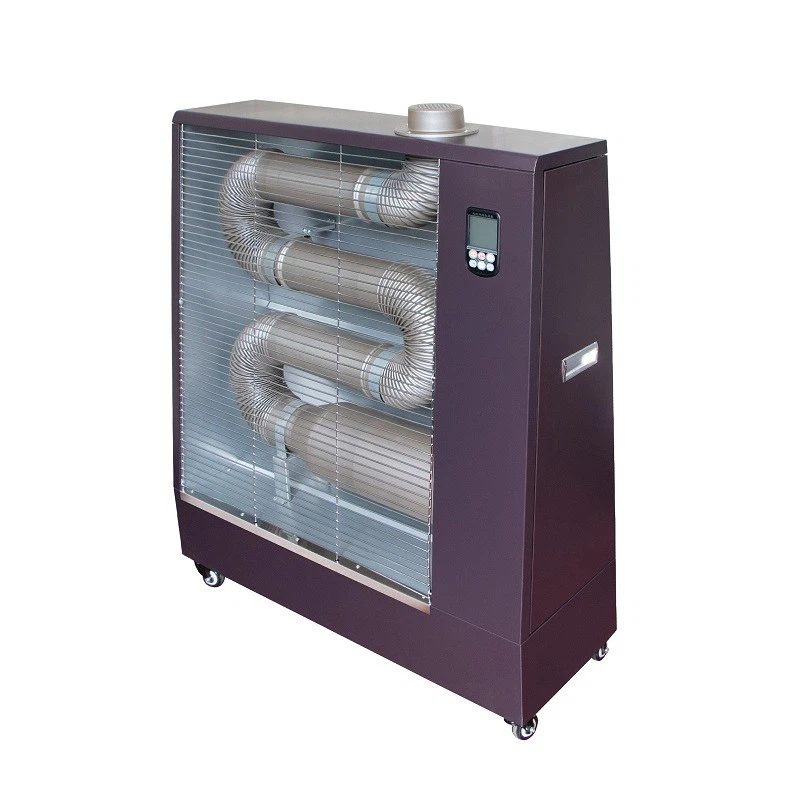

In addition, the burner and other internal components of the heater need to be inspected and cleaned to prevent blockages and ensure proper combustion. This maintenance can be time - consuming and may require some technical knowledge. If the maintenance is not done correctly, it can not only reduce the heater's efficiency but also increase the risk of safety hazards.
5. Fuel Storage and Availability
Storing kerosene safely is a challenge. Kerosene should be stored in a cool, dry place away from heat sources and open flames. It needs to be kept in approved containers to prevent leaks and spills. Improper storage of kerosene can lead to environmental contamination and pose a fire risk.
Moreover, the availability of kerosene can be a problem in some areas. Unlike electricity, which is widely accessible in most homes, kerosene may not be readily available in all locations. This can be a significant inconvenience, especially during the winter months when the demand for heating is high.
6. Cost
Although the initial cost of a kerosene heater may be relatively low, the long - term cost of using a kerosene heater can be high. The price of kerosene can fluctuate depending on market conditions, and over time, the cost of fuel can add up significantly. In addition, the maintenance and repair costs of a kerosene heater can also be substantial, especially if there are frequent breakdowns or if the heater requires major repairs.
Product Recommendations
Despite these disadvantages, our company offers high - quality kerosene heaters that are designed to minimize these issues. For example, our 2500W Portable Kerosene Heater is equipped with advanced safety features to reduce the fire risk. It has a stable base and a flame - out protection device to ensure safe operation.
Our Intelligent Remote Control Kerosene Heater allows you to control the temperature and operation of the heater from a distance, providing convenience and reducing the need for manual adjustments.
The Large Square Heater is designed for larger spaces and has a more efficient combustion system, which helps to reduce emissions and improve air quality.
Conclusion
While kerosene heaters can be a useful source of heat, it's important to be aware of their disadvantages. As a supplier, we understand these concerns and are committed to providing products that address these issues as much as possible. If you are considering purchasing a kerosene heater, we encourage you to contact us for more information and to discuss your specific heating needs. We can provide you with detailed product information, safety guidelines, and advice on proper use and maintenance. Our team of experts is always ready to assist you in making an informed decision.
If you are interested in our products or have any questions, please feel free to reach out to us for procurement and negotiation. We look forward to serving you.
References
- "Indoor Air Quality and Health" by the World Health Organization.
- "Fire Safety Guidelines for Home Appliances" by the National Fire Protection Association.
- "Energy Efficiency and Cost Analysis of Different Heating Systems" by the U.S. Department of Energy.