

Transporting a kerosene heater safely is of utmost importance to prevent accidents and ensure the well - being of everyone involved in the process. As a kerosene heater supplier, I understand the significance of proper transportation procedures and am here to share some valuable insights on how to achieve this.
1. Preparation Before Transportation
Empty the Kerosene Tank
Before you even think about moving a kerosene heater, the first and most crucial step is to empty the kerosene tank. Kerosene is a flammable liquid, and transporting a heater with a full or even partially filled tank is extremely dangerous. It can lead to spills, which may cause fires or explosions during transit. To empty the tank, find a suitable outdoor area away from any sources of ignition. Use a proper container to collect the kerosene, and make sure to follow local regulations for kerosene disposal.
Clean the Heater
A clean heater is not only easier to handle but also reduces the risk of any debris or dirt causing problems during transportation. Wipe down the exterior of the heater with a dry cloth to remove any dust or grime. For the interior parts, if possible, follow the manufacturer's instructions to clean the burner and other components. This helps to prevent any blockages or malfunctions that could occur due to accumulated dirt.
Inspect for Damage
Thoroughly examine the kerosene heater for any signs of damage. Check the body for cracks, the fuel lines for leaks or wear, and the electrical components (if it has any) for loose connections. If you find any damage, it is advisable to either repair it before transportation or, in case of severe damage, consider not transporting it at all. A damaged heater can pose a significant safety risk during transit.
2. Choosing the Right Packaging
Use a Sturdy Box
Select a box that is large enough to accommodate the kerosene heater with some extra space for padding. The box should be made of strong cardboard or a similar material that can withstand the rigors of transportation. You can often find suitable boxes at local moving supply stores or ask for boxes from electronic stores.
Padding Materials
To protect the heater from impacts during transportation, use padding materials such as bubble wrap, foam sheets, or packing peanuts. Wrap the heater carefully with bubble wrap, paying special attention to the more fragile parts like the glass panels (if it has any) and the control knobs. Place the wrapped heater in the box and fill the remaining space with packing peanuts or foam sheets to prevent it from shifting around.
Label the Box
Clearly label the box as "Kerosene Heater" and include any relevant safety instructions. This helps the handlers to be aware of the contents and handle the box with the necessary precautions. You can also mark the box with arrows indicating the correct orientation of the heater to ensure it is transported in an upright position.
3. Transportation Methods
Personal Vehicle
If you are transporting the kerosene heater in your personal vehicle, make sure to place the box in a secure location. Avoid placing it in the passenger area where it could potentially cause harm in case of an accident. Instead, put it in the trunk or the cargo area. If your vehicle has a flatbed, ensure that the box is tied down securely to prevent it from sliding around.
Professional Shipping
When using a professional shipping service, choose a reputable carrier that has experience in transporting flammable - related items. Inform them in advance that you are shipping a kerosene heater, even though the tank is empty. They will have specific procedures and requirements for handling such items. Provide them with all the necessary information about the heater, including its dimensions and weight, to ensure a smooth shipping process.

4. Safety Precautions During Transportation
Ventilation
Whether you are transporting the heater in your personal vehicle or using a shipping service, ensure proper ventilation. Kerosene heaters can emit small amounts of fumes, even when empty, and proper ventilation helps to prevent the accumulation of these fumes. In a personal vehicle, crack open a window slightly to allow fresh air to circulate.
Avoid Extreme Temperatures
Kerosene heaters are sensitive to extreme temperatures. Avoid exposing the heater to very high or very low temperatures during transportation. High temperatures can cause the materials in the heater to expand and potentially damage the unit, while low temperatures can make the components brittle and more prone to breakage.
Secure the Heater
As mentioned earlier, make sure the heater is well - secured during transportation. This prevents it from moving around and getting damaged. If you are using a shipping service, they should have their own methods of securing the package, but you can also double - check to ensure the safety of the heater.
5. Our Kerosene Heater Products
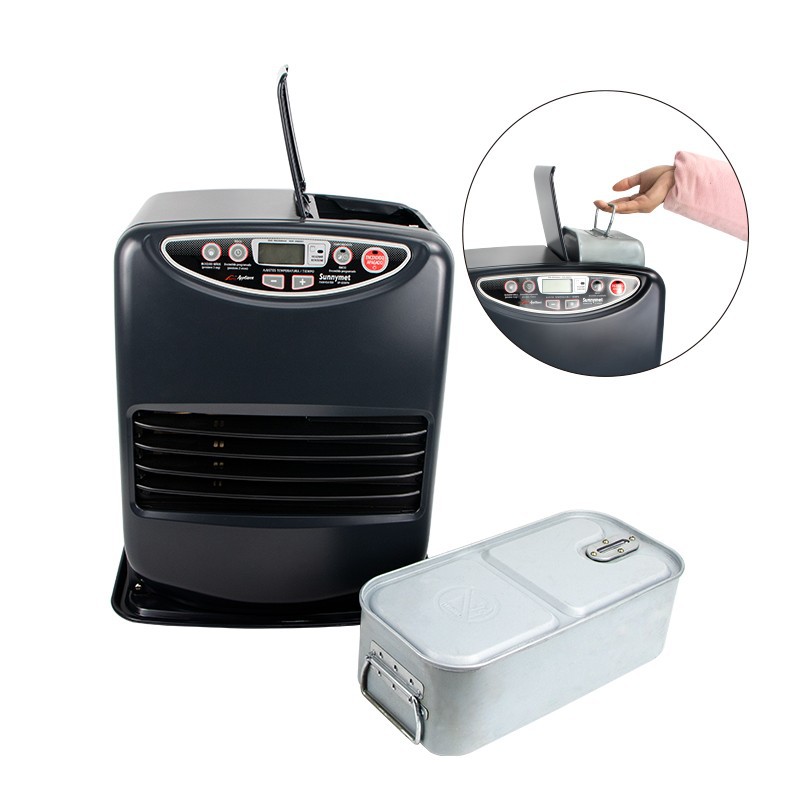
At our company, we offer a wide range of high - quality kerosene heaters. For those who need a powerful and portable option, our 2500W Portable Kerosene Heater is an excellent choice. It provides efficient heating and can be easily moved around as needed.
If you prefer a more advanced and convenient option, our Intelligent Remote Control Kerosene Heater allows you to control the temperature and other settings from a distance, adding a great deal of comfort to your heating experience.
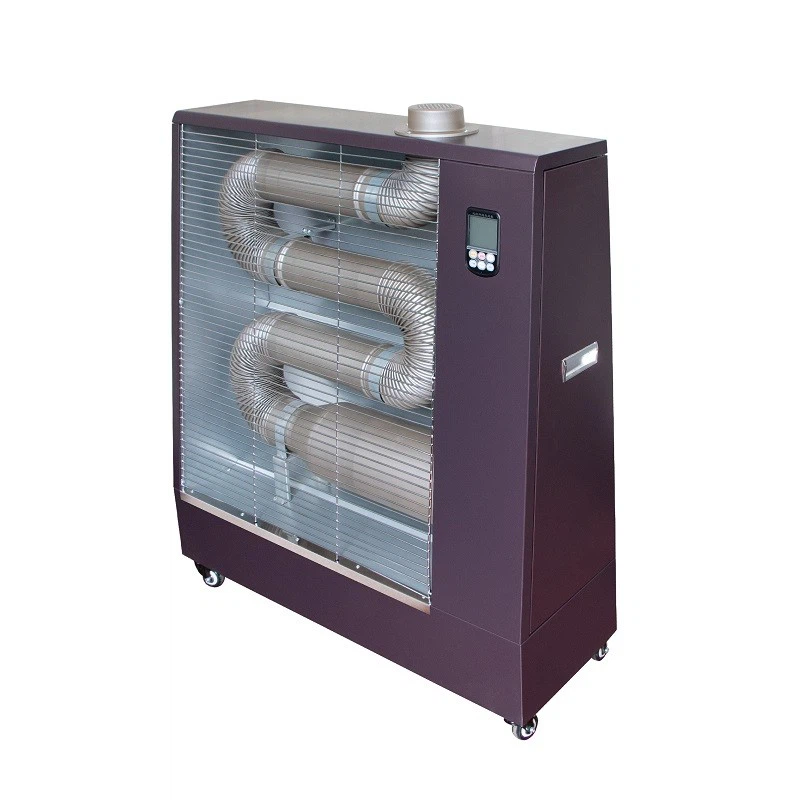
For larger spaces, our Large Square Heater is designed to provide extensive and even heating. It is a reliable solution for commercial or large - scale residential areas.
6. Contact for Purchase and Consultation
If you are interested in our kerosene heaters or have any questions about their transportation or usage, we encourage you to reach out to us. We are always ready to assist you with your heating needs and provide professional advice. Whether you are a homeowner looking for a reliable heater for your living room or a business owner in need of a large - capacity heater for your commercial space, we have the right product for you.
References
- Manufacturer's manuals of kerosene heaters
- Safety guidelines for transporting flammable materials from local regulatory authorities
- Industry best practices for transporting heating appliances