

Hey there! As a kerosene heater supplier, I get a lot of questions from customers about how to store their heaters properly during the off - season. It's super important to do this right to make sure your heater lasts a long time and works great when you need it again.
First things first, safety is key. Kerosene is a flammable liquid, so you've gotta be extra careful. Before you start the storage process, make sure the heater is completely cool. You don't want to risk any fires or explosions. It usually takes a few hours for the heater to cool down after use, so just be patient.
The next step is to empty the kerosene tank. You don't want any leftover fuel sitting in there for months. It can degrade over time and cause problems with the heater's performance later on. To empty the tank, find a safe place outdoors. I recommend using a funnel to pour the kerosene into an approved storage container. Make sure the container is labeled clearly as “kerosene” and keep it in a well - ventilated area away from any heat sources or open flames.
Once the tank is empty, it's a good idea to clean it. You can use a mild detergent and warm water to wipe down the inside of the tank. Rinse it thoroughly and let it dry completely. This helps prevent any rust or corrosion from forming inside the tank.
Now, let's talk about the heater itself. Use a soft, dry cloth to wipe down the exterior of the heater. This gets rid of any dust, dirt, or debris that might have accumulated during the heating season. Pay special attention to the vents and grilles. If they're clogged, it can affect the heater's efficiency. You can use a small brush to gently clean these areas.
For the wick (if your heater has one), it's important to check its condition. If the wick is worn out or damaged, it's best to replace it before storing the heater. A new wick will ensure better performance when you start using the heater again. If the wick is in good shape, you can leave it in the heater, but make sure it's clean. You can trim any frayed edges with a pair of scissors.
After cleaning, it's time to lubricate the moving parts. Check the manufacturer's instructions to see what type of lubricant is recommended. A little bit of lubrication can prevent the parts from seizing up during storage. Just apply a small amount to the appropriate areas, like the fan motor or any adjustable joints.
Now, where should you store the heater? Find a dry, cool, and well - ventilated place. A basement or a garage can work, but make sure the area doesn't get too humid. High humidity can cause rust and corrosion on the heater. You can also use a storage cover to protect the heater from dust and moisture. There are special covers available for kerosene heaters, or you can use a large plastic sheet.
When you're ready to store the heater, try to keep it in an upright position. This helps prevent any fuel or oil from leaking out of the tank or other components. If you need to stack other items on top of the heater, make sure they're not too heavy and won't damage the heater.
Let's say you're thinking about getting a new kerosene heater. We've got some great options at our store. Check out our Large Kerosene Heater. It's perfect for heating large spaces. And if you're into convenience, our Intelligent Remote Control Kerosene Heater is a game - changer. You can control the temperature and settings from across the room. Also, our 2500W Portable Kerosene Heater is great for those who need to move the heater around easily.
Before you put the heater back into storage for the long - term, it's a good idea to test it briefly. Plug it in (if it's an electric - assisted model) and make sure all the controls are working properly. This way, you can catch any potential issues early.
During the off - season, it's also a good idea to check on the heater every few months. Just take a quick look to make sure there are no signs of damage or rust. If you notice any problems, you can address them right away.
In conclusion, storing a kerosene heater during the off - season is all about safety and maintenance. By following these steps, you can ensure that your heater will be in top - notch condition when the next heating season rolls around.
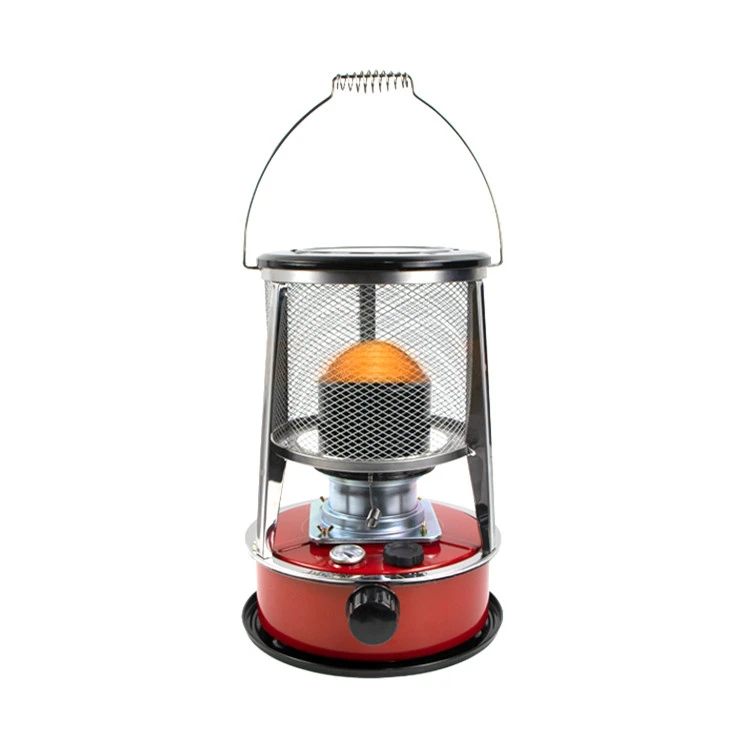

If you're interested in purchasing a new kerosene heater or have any questions about storage or maintenance, feel free to reach out for a purchase negotiation. We're here to help you find the best heater for your needs.
References
- Manufacturer's manuals for various kerosene heaters
- Safety guidelines for kerosene storage and handling