

As a supplier of kerosene heaters, I've encountered numerous customers who are unsure about when it's time to replace the wick in their heaters. A well - maintained wick is crucial for the efficient and safe operation of a kerosene heater. In this blog, I'll share some key signs that indicate your kerosene heater needs a new wick.
1. Reduced Heat Output
One of the most obvious signs that a wick needs replacement is a significant reduction in the heater's heat output. When a wick is in good condition, it can draw kerosene up to the burner effectively, where it vaporizes and burns to produce heat. Over time, however, the wick can become clogged with carbon deposits and other impurities from the kerosene. These deposits impede the flow of kerosene, resulting in a smaller flame and less heat.
If you notice that your heater is no longer warming your space as it used to, even when the wick is set at its maximum height, it's likely time for a new wick. This is especially true if you've been using the heater regularly for an extended period. For example, if you have a Large Kerosene Heater that previously heated a medium - sized room comfortably but now struggles to keep the temperature up, a worn - out wick could be the culprit.
2. Difficulty Lighting the Heater
Another tell - tale sign is difficulty lighting the heater. A healthy wick should catch fire easily when lit with a match or a lighter. If you find yourself having to repeatedly try to light the wick, or if it takes a long time to ignite, the wick may be too dirty or too worn.
Carbon buildup on the wick can make it less flammable. When you attempt to light a dirty wick, the flame may sputter or go out quickly because the kerosene isn't being delivered to the burning area properly. This is not only frustrating but also a safety concern. For instance, in an Intelligent Remote Control Kerosene Heater, if the wick is in poor condition, the ignition system may not work as intended, and you could end up with an unlit heater or even a dangerous situation if kerosene accumulates without being burned.
3. Unusual Odors
A kerosene heater should produce a relatively clean - burning smell. If you start to notice a strong, unpleasant odor when the heater is running, it could be a sign of a problem with the wick. A dirty or damaged wick may not burn the kerosene completely, leading to the production of noxious fumes.
These odors can range from a thick, sooty smell to a chemical - like odor. In some cases, the smell can be so strong that it makes the room uncomfortable to be in. For example, if you have a Large Square Heater and you detect a pungent, acrid smell every time you turn it on, it's a good indication that the wick needs to be replaced. Incomplete combustion due to a faulty wick can also release harmful substances such as carbon monoxide, which is odorless but extremely dangerous.
4. Excessive Smoke
Excessive smoke is another clear sign that the wick needs attention. A properly functioning wick should produce only a small amount of smoke, if any, when the heater is first lit. Once the heater is up and running, the smoke should dissipate quickly.
If you see a continuous stream of thick, black smoke coming from the heater, it means that the kerosene is not being burned efficiently. This could be due to a clogged wick that is preventing the proper air - fuel mixture. The smoke can not only make the room hazy and dirty but also pose a health risk. In addition, the smoke can leave behind soot deposits on the heater and the surrounding area, which are difficult to clean.
5. Visible Wear and Tear
Inspecting the wick visually can also give you clues about its condition. Over time, the wick can become frayed, charred, or brittle. If you can see that the wick is falling apart or has large chunks missing, it's definitely time for a replacement.
A frayed wick may not be able to draw kerosene evenly, which can lead to uneven burning and reduced performance. Charred areas on the wick can prevent it from burning properly and may cause the heater to produce more smoke and odors. Brittle wicks are more likely to break, which can be a safety hazard as loose wick material could fall into the kerosene tank.
6. Frequency of Use
The frequency of use of your kerosene heater also plays a role in determining when to replace the wick. If you use your heater daily during the cold season, the wick will wear out faster compared to someone who only uses it occasionally.
As a general rule of thumb, if you use your heater regularly, you should check the wick every few months. For heavy - duty use, it may be necessary to replace the wick once or twice a heating season. On the other hand, if you use the heater sparingly, you may be able to go longer between wick replacements, but it's still important to inspect the wick periodically.
How to Replace the Wick
If you've determined that your kerosene heater needs a new wick, it's important to follow the manufacturer's instructions for replacement. First, make sure the heater is completely cool and has been turned off for a sufficient amount of time. Then, carefully remove the old wick from the heater. This may involve unscrewing a wick holder or removing a cover.
Next, insert the new wick into the heater, making sure it is properly seated and aligned. Trim the wick to the appropriate length if necessary. Before using the heater again, allow the wick to soak in kerosene for a few minutes to ensure it is saturated.

Conclusion
Knowing when to replace the wick in your kerosene heater is essential for maintaining its performance, safety, and efficiency. By paying attention to the signs such as reduced heat output, difficulty lighting, unusual odors, excessive smoke, visible wear and tear, and frequency of use, you can ensure that your heater continues to work effectively.
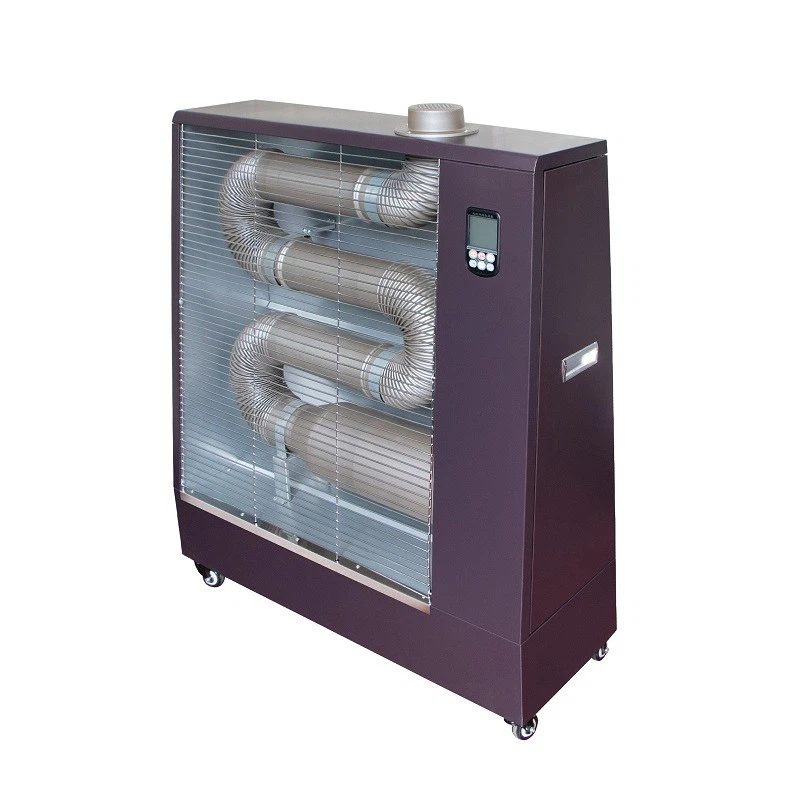
If you're in the market for a new kerosene heater or need replacement wicks, we're here to help. As a leading supplier of kerosene heaters, we offer a wide range of high - quality products and accessories. Whether you're interested in a Large Kerosene Heater, an Intelligent Remote Control Kerosene Heater, or a Large Square Heater, we can provide you with the best solutions. If you have any questions or are interested in purchasing our products, please feel free to contact us for a detailed discussion and procurement negotiation.
References
- Kerosene Heater User Manuals
- Industry Standards for Kerosene Heater Maintenance