

Choosing the right chimney for a wood burning stove is a crucial decision that can significantly impact the efficiency, safety, and overall performance of your heating system. As a trusted wood burning stove supplier, I understand the importance of this choice and am here to guide you through the process. In this blog post, I'll share some essential factors to consider when selecting a chimney for your wood burning stove, ensuring you make an informed decision that meets your needs and preferences.
Understanding the Basics of Wood Burning Stove Chimneys
Before diving into the selection process, it's essential to understand the basic functions of a wood burning stove chimney. A chimney serves two primary purposes: venting combustion byproducts outside your home and creating a draft that draws air into the stove, allowing for efficient burning. A well-designed chimney ensures that smoke, gases, and particulate matter are safely removed from your living space, preventing the buildup of harmful pollutants and reducing the risk of chimney fires.
Types of Chimneys for Wood Burning Stoves
There are several types of chimneys available for wood burning stoves, each with its own advantages and disadvantages. Here are the most common types:
- Masonry Chimneys: These chimneys are constructed using bricks, blocks, or stone and are typically built as part of the original structure of a home. Masonry chimneys are durable and can add a traditional aesthetic to your home. However, they require regular maintenance and can be prone to cracking and leakage over time.
- Prefabricated Chimneys: Also known as factory-built chimneys, these are pre-manufactured units made from metal or other materials. Prefabricated chimneys are easier and faster to install than masonry chimneys and are often more affordable. They are also designed to meet strict safety standards and are less likely to develop leaks or cracks.
- Stainless Steel Chimneys: These chimneys are made from high-quality stainless steel and are known for their durability, corrosion resistance, and high heat tolerance. Stainless steel chimneys are often used in both residential and commercial applications and are a popular choice for wood burning stoves.
Factors to Consider When Choosing a Chimney
When selecting a chimney for your wood burning stove, there are several factors to consider to ensure you choose the right one for your needs. Here are some key considerations:

- Size and Capacity: The size and capacity of your chimney should be appropriate for the size and output of your wood burning stove. A chimney that is too small may not provide enough draft, leading to poor combustion and increased smoke production. On the other hand, a chimney that is too large may result in excessive heat loss and reduced efficiency.
- Height and Location: The height and location of your chimney can also affect its performance. A taller chimney generally provides better draft, as it allows for a greater difference in air pressure between the inside and outside of the chimney. Additionally, the location of your chimney should be carefully considered to ensure it is away from any obstructions, such as trees or buildings, that could block the flow of air.
- Material and Construction: The material and construction of your chimney are important factors to consider, as they can affect its durability, safety, and performance. As mentioned earlier, stainless steel chimneys are a popular choice due to their durability and corrosion resistance. However, other materials, such as masonry or prefabricated units, may also be suitable depending on your specific needs and preferences.
- Compliance with Local Codes and Regulations: It's important to ensure that your chimney meets all local codes and regulations. This includes requirements for chimney height, clearances, and installation methods. Failure to comply with these regulations can result in fines, safety hazards, and insurance issues.
Additional Considerations
In addition to the factors mentioned above, there are a few other considerations to keep in mind when choosing a chimney for your wood burning stove:
- Insulation: Proper insulation is essential for maintaining the efficiency of your chimney and preventing heat loss. Insulated chimneys can help reduce the risk of condensation and creosote buildup, which can lead to chimney fires.
- Cap and Damper: A chimney cap and damper are important components that can help improve the performance and safety of your chimney. A chimney cap helps prevent rain, snow, and animals from entering the chimney, while a damper allows you to control the flow of air and smoke.
- Maintenance and Cleaning: Regular maintenance and cleaning are essential for ensuring the longevity and performance of your chimney. This includes inspecting the chimney for damage, cleaning the flue to remove creosote buildup, and checking the chimney cap and damper for proper operation.
Windproof Wood Stove
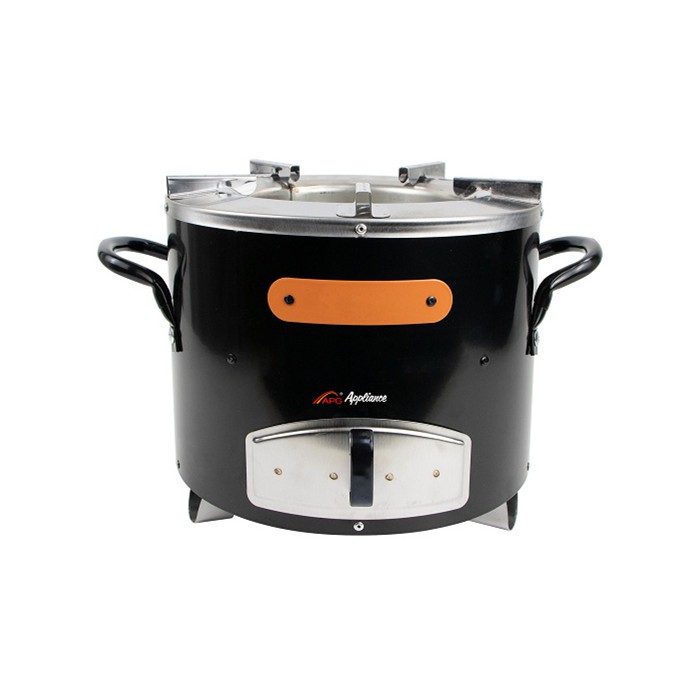
If you're looking for a reliable and efficient wood burning stove, I recommend checking out our Windproof Wood Stove. This stove is designed to provide excellent heat output and is equipped with advanced features to ensure optimal performance, even in windy conditions. With its durable construction and stylish design, our windproof wood stove is a great choice for any home.
Conclusion
Choosing the right chimney for your wood burning stove is a critical decision that requires careful consideration. By understanding the different types of chimneys available, considering the factors mentioned above, and consulting with a professional, you can ensure that you choose a chimney that meets your needs and provides years of reliable service. If you have any questions or need further assistance in selecting a chimney for your wood burning stove, please don't hesitate to contact us. We're here to help you make the right choice and ensure your wood burning stove operates safely and efficiently.
References
- "Chimney Installation and Maintenance Guide." National Fire Protection Association.
- "Wood Burning Stove Safety Tips." U.S. Environmental Protection Agency.
- "Choosing the Right Chimney for Your Wood Stove." Hearth, Patio & Barbecue Association.