

As a supplier of Large Square Heaters, I've witnessed firsthand the intricate relationship between room humidity and the performance of these essential heating devices. In this blog, I'll delve into how humidity levels can impact the efficiency, comfort, and overall functionality of large square heaters.
Understanding the Basics of Humidity and Heating
Before we explore the specific effects of humidity on large square heaters, it's crucial to understand what humidity is and how it interacts with the heating process. Humidity refers to the amount of water vapor present in the air. Relative humidity (RH) is the most commonly used measure, expressing the amount of water vapor in the air as a percentage of the maximum amount the air could hold at a given temperature.
When a heater operates, it raises the temperature of the air in a room. As the air warms, its capacity to hold water vapor increases. If the amount of water vapor in the air remains constant, the relative humidity decreases. This is why indoor air often feels dry during the heating season.
Impact of Low Humidity on Large Square Heaters
Reduced Comfort
Low humidity levels can make a room feel less comfortable, even when the temperature is within a normal range. Dry air can cause a variety of discomforts, such as dry skin, irritated eyes, and a scratchy throat. It can also exacerbate respiratory conditions, making it more difficult to breathe.
Large square heaters, which are designed to provide efficient and even heating, may not be able to compensate for the discomfort caused by low humidity. In fact, the heating process can further reduce humidity levels, creating a vicious cycle of dryness.
Increased Energy Consumption
In a dry environment, the human body loses heat more rapidly through evaporation. This means that you may feel colder than the actual temperature, leading you to turn up the heater to achieve a comfortable level of warmth. As a result, low humidity can increase energy consumption and raise your heating bills.
Large square heaters, especially those with high heating capacities, may be particularly affected by this phenomenon. To maintain a comfortable temperature in a dry room, the heater may need to run for longer periods or at a higher setting, consuming more energy in the process.
Potential Damage to the Heater
Low humidity can also have a negative impact on the performance and lifespan of large square heaters. Dry air can cause the internal components of the heater to dry out and become brittle, increasing the risk of mechanical failure. It can also lead to the accumulation of dust and debris, which can clog the air intake and exhaust vents, reducing the heater's efficiency and potentially causing overheating.
Impact of High Humidity on Large Square Heaters
Reduced Heating Efficiency
High humidity levels can also affect the performance of large square heaters. In a humid environment, the air is already saturated with water vapor, which means that it has a lower capacity to absorb heat. As a result, the heater may have to work harder to raise the temperature of the room, reducing its heating efficiency.
Large square heaters, which rely on convection to distribute heat, may be particularly affected by high humidity. The presence of water vapor in the air can slow down the movement of warm air, making it more difficult for the heater to circulate heat evenly throughout the room.
Mold and Mildew Growth
High humidity can create a breeding ground for mold and mildew, which can pose a serious health risk. Mold and mildew thrive in warm, damp environments, and they can grow on the surfaces of large square heaters, as well as on walls, floors, and furniture.
In addition to the health risks, mold and mildew can also damage the heater and reduce its performance. The growth of mold and mildew can clog the air intake and exhaust vents, preventing the heater from functioning properly. It can also cause the internal components of the heater to corrode, leading to premature failure.
Condensation and Water Damage
When warm, humid air comes into contact with a cold surface, such as the exterior of a large square heater, it can condense and form water droplets. This can lead to condensation and water damage, both to the heater and to the surrounding area.
Condensation can cause the heater to rust and corrode, reducing its lifespan and performance. It can also damage the electrical components of the heater, increasing the risk of electrical shock or fire. In addition, water damage to the surrounding area can lead to structural problems and the growth of mold and mildew.
Finding the Right Balance
To ensure optimal performance and comfort, it's important to maintain a balanced humidity level in the room where your large square heater is installed. The ideal relative humidity range for indoor comfort is between 30% and 50%.
There are several ways to control humidity levels in a room. One option is to use a humidifier to add moisture to the air in a dry environment. A humidifier can help to alleviate the discomfort caused by dry air and reduce energy consumption by making you feel warmer at a lower temperature.
On the other hand, if the humidity level in the room is too high, you can use a dehumidifier to remove excess moisture from the air. A dehumidifier can help to prevent the growth of mold and mildew and reduce the risk of condensation and water damage.
In addition to using a humidifier or dehumidifier, you can also take other steps to control humidity levels in your home. For example, you can open windows and doors to allow fresh air to circulate, use exhaust fans in the kitchen and bathroom to remove moisture, and avoid drying clothes indoors.
Choosing the Right Large Square Heater
When selecting a large square heater, it's important to consider the humidity levels in the room where it will be installed. Some heaters are designed to work more effectively in dry environments, while others are better suited for humid conditions.
For example, Intelligent Remote Control Kerosene Heater is a great option for areas with low humidity. It features advanced heating technology that provides efficient and even heating, while also helping to maintain a comfortable humidity level.
On the other hand, Large Kerosene Heater is a powerful heater that is suitable for larger rooms and areas with high humidity. It has a high heating capacity and is designed to work effectively in a variety of environmental conditions.

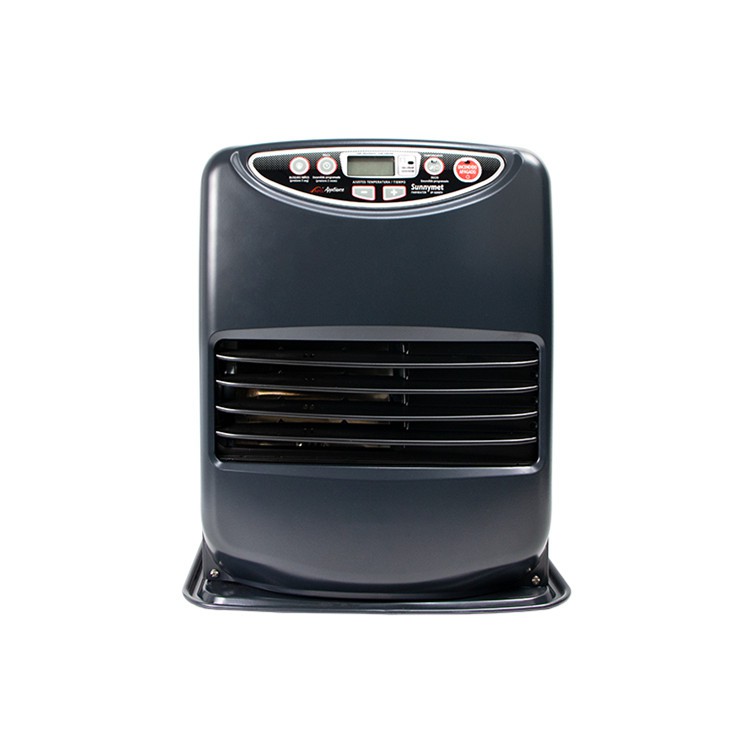
Of course, if you're looking for a versatile and reliable large square heater that can perform well in both dry and humid environments, Large Square Heater is an excellent choice. It offers a combination of efficiency, comfort, and durability, making it a popular option for homeowners and businesses alike.
Conclusion
In conclusion, the humidity in a room can have a significant impact on the performance of large square heaters. Low humidity can reduce comfort, increase energy consumption, and potentially damage the heater, while high humidity can reduce heating efficiency, promote mold and mildew growth, and cause condensation and water damage.
To ensure optimal performance and comfort, it's important to maintain a balanced humidity level in the room where your large square heater is installed. By using a humidifier or dehumidifier, taking other steps to control humidity levels, and choosing the right heater for your needs, you can enjoy efficient and effective heating while minimizing the negative effects of humidity.
If you're interested in learning more about our Large Square Heaters or have any questions about how humidity can affect their performance, please don't hesitate to contact us. We're here to help you find the perfect heating solution for your home or business.
References
- American Society of Heating, Refrigerating and Air-Conditioning Engineers (ASHRAE). (2017). ASHRAE Handbook - Fundamentals.
- National Institute of Standards and Technology (NIST). (2019). Handbook 130 - Uniform Laws and Regulations in the Areas of Legal Metrology and Engineered Systems.
- World Health Organization (WHO). (2018). Guidelines for indoor air quality: Dampness and mould.