

Hey there! As a supplier of Windproof Wood Stove, I've had my fair share of customers scratching their heads over which chimney to pick for their windproof wood stoves. It's not as simple as just grabbing any old chimney and slapping it on. There are a bunch of factors to consider, and I'm here to break it down for you.
Understanding Your Windproof Wood Stove
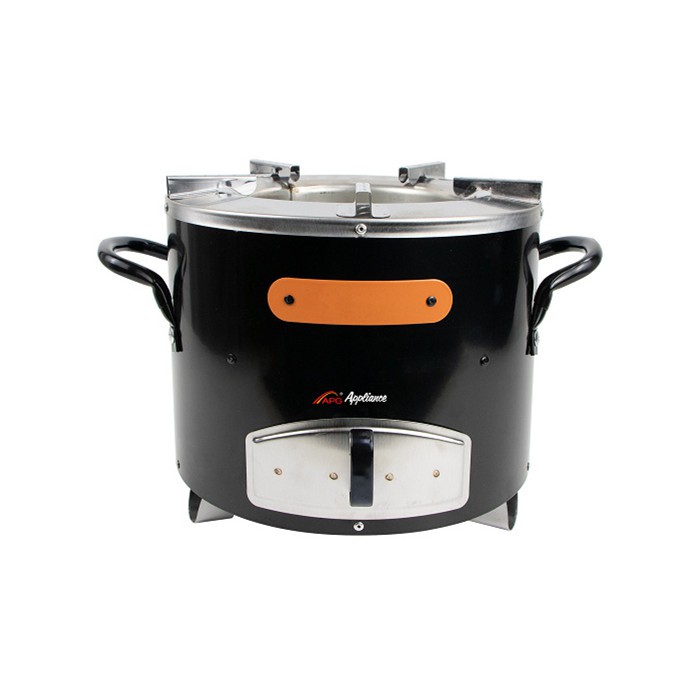
First things first, you gotta understand your windproof wood stove inside out. Different stoves have different requirements when it comes to chimneys. For instance, the size of the flue outlet on your stove is crucial. This is the opening where the smoke and hot gases will exit the stove and enter the chimney. You need to make sure the chimney you choose has an inlet size that matches the flue outlet of your stove. If it's too small, it'll restrict the flow of smoke and gases, leading to poor combustion and potentially dangerous situations like carbon monoxide buildup. On the other hand, if it's too big, you might end up with a draft that's too strong, which can also affect the stove's performance.
Another thing to think about is the heat output of your stove. Windproof wood stoves come in various sizes and power ratings, and the chimney needs to be able to handle the amount of heat and volume of smoke produced. A high-output stove will need a larger and more robust chimney to ensure proper ventilation. You can usually find the heat output information in the stove's user manual or specifications.

Types of Chimneys
There are a few different types of chimneys available, and each has its own pros and cons.
Prefabricated Chimneys
These are pre - made chimneys that are easy to install. They usually come in sections that can be quickly assembled on - site. Prefabricated chimneys are often made of metal, like stainless steel, which is durable and resistant to corrosion. They're also designed to meet specific safety standards, so you can be confident that they'll do the job right. One of the great things about prefabricated chimneys is that they're relatively lightweight, making them a good choice for installations where weight is a concern, like in smaller buildings or on rooftops. However, they can be a bit more expensive than some other options.
Masonry Chimneys
Masonry chimneys are the traditional choice. They're built on - site using bricks, stones, or concrete blocks. These chimneys are known for their durability and aesthetic appeal. They can add a touch of old - world charm to your home. Masonry chimneys are also very good at retaining heat, which can help improve the efficiency of your wood stove. However, they're heavy and require a solid foundation. Building a masonry chimney is a complex and time - consuming process that usually requires the skills of a professional mason. And over time, they may develop cracks or leaks that need to be repaired.
Stainless Steel Chimneys
Stainless steel chimneys are a popular choice for windproof wood stoves. They're lightweight, corrosion - resistant, and easy to install. They come in a variety of sizes and styles, so you can find one that fits your stove and your home's architecture. Stainless steel chimneys are also very efficient at venting smoke and gases, which is essential for a windproof wood stove. The smooth interior of stainless steel chimneys helps prevent the buildup of creosote, a flammable substance that can cause chimney fires.
Wind Considerations
Since you're using a windproof wood stove, wind is obviously a major factor when choosing a chimney. The chimney needs to be able to withstand strong winds without being damaged or losing its effectiveness.
Height and Location
The height of the chimney plays a big role in how it performs in windy conditions. A taller chimney is generally better at creating a strong draft and can help overcome the effects of wind. However, it also needs to be properly supported to prevent it from toppling over in high winds. The location of the chimney on your property is also important. Try to place it in an area that's sheltered from the prevailing winds as much as possible. For example, if the wind usually blows from the west, you might want to place the chimney on the east side of your building.
Wind Caps
A wind cap is a device that's installed on top of the chimney to protect it from wind and rain. There are different types of wind caps available, each designed to work in different wind conditions. Some wind caps are designed to deflect wind away from the chimney opening, while others are designed to create a negative pressure that helps draw smoke out of the chimney. When choosing a wind cap, make sure it's compatible with your chimney type and size.
Safety and Regulations
Safety should always be your top priority when choosing a chimney for your windproof wood stove. You need to make sure that the chimney you choose meets all the relevant safety standards and regulations in your area.
Clearances
There are specific clearance requirements between the chimney and any combustible materials, such as walls, roofs, and insulation. These clearances are in place to prevent the risk of fire. Make sure you follow these requirements carefully when installing your chimney. You can usually find the clearance information in the chimney's installation instructions or in your local building codes.
Inspections and Maintenance
Regular inspections and maintenance of your chimney are essential to ensure its safe and efficient operation. You should have your chimney inspected at least once a year by a professional chimney sweep. They can check for any signs of damage, such as cracks, leaks, or creosote buildup, and make any necessary repairs.
Cost
Cost is always a consideration when making a purchase. The cost of a chimney can vary widely depending on the type, size, and quality. Prefabricated chimneys are generally more expensive upfront, but they can save you money on installation costs. Masonry chimneys can be very costly to build, especially if you need to hire a professional mason. Stainless steel chimneys are usually more affordable and offer a good balance between cost and performance.
When considering the cost, don't just look at the initial purchase price. Think about the long - term costs, such as maintenance and repairs. A high - quality chimney may cost more upfront, but it could save you money in the long run by lasting longer and requiring less maintenance.
Making the Right Choice
So, how do you actually choose the right chimney for your windproof wood stove? Here's a step - by - step guide:
- Research Your Stove: Know the flue outlet size, heat output, and any specific chimney requirements of your windproof wood stove.
- Evaluate Your Options: Consider the different types of chimneys (prefabricated, masonry, stainless steel) and their pros and cons.
- Think About Wind: Factor in the wind conditions in your area and choose a chimney height, location, and wind cap that will work well.
- Check Safety and Regulations: Make sure the chimney meets all safety standards and local building codes.
- Set a Budget: Decide how much you're willing to spend and look for a chimney that offers the best value for your money.
If you're still not sure which chimney is right for you, don't hesitate to reach out. As a Windproof Wood Stove supplier, I've got a lot of experience in this area and can help you make an informed decision. Whether you're a homeowner looking to install a new wood stove or a contractor working on a project, we can provide you with the right chimney solutions.
We're here to assist you every step of the way, from choosing the right chimney to ensuring proper installation and maintenance. If you're interested in purchasing a chimney for your windproof wood stove or have any questions, feel free to contact us for a consultation. We're eager to help you find the perfect chimney for your needs and get your windproof wood stove up and running safely and efficiently.
References
- Wood Stove Installation Manuals
- Local Building Codes and Regulations
- Chimney Industry Publications