

Aluminium food mixers have become a staple in many kitchens around the world, valued for their durability, lightweight nature, and efficient mixing capabilities. One of the common concerns potential buyers often have is their resistance to scratches. As a supplier of Aluminium Food Mixer, I have in - depth knowledge about these products and am here to provide a comprehensive analysis on this topic.
Understanding Aluminium as a Material
To assess the scratch - resistance of aluminium food mixers, we first need to understand the properties of aluminium. Aluminium is a soft and malleable metal. In its pure form, it is relatively easy to scratch. However, most aluminium food mixers on the market are not made of pure aluminium. They are typically made from aluminium alloys, which are created by combining aluminium with other metals such as copper, magnesium, or silicon. These alloys are designed to enhance the strength, hardness, and other mechanical properties of the aluminium.
The addition of alloying elements can significantly improve the scratch - resistance of the aluminium. For example, aluminium - magnesium alloys are known for their good corrosion resistance and relatively high strength. When used in food mixers, they can withstand more wear and tear compared to pure aluminium.
Factors Affecting Scratch Resistance
Surface Treatment
One of the most important factors influencing the scratch - resistance of aluminium food mixers is the surface treatment. Many manufacturers apply a protective coating to the aluminium surface. Anodizing is a popular surface treatment method. During anodizing, a layer of aluminium oxide is formed on the surface of the aluminium through an electrochemical process. This oxide layer is much harder than the base aluminium and provides excellent scratch resistance. It also enhances the corrosion resistance of the mixer.
Another common surface treatment is powder coating. Powder coating involves applying a dry powder to the surface of the aluminium and then baking it to form a hard, durable finish. The powder - coated surface can resist scratches, chips, and abrasions. It also comes in a variety of colors, allowing for more aesthetically pleasing designs of the food mixers.
Usage Conditions
The way the aluminium food mixer is used also plays a crucial role in determining its scratch resistance. If the mixer is used with rough utensils or abrasive cleaning materials, it is more likely to get scratched. For example, using a metal spatula with sharp edges to scrape the inside of the mixer bowl can cause scratches on the aluminium surface. Similarly, scrubbing the mixer with a wire brush or an abrasive sponge can damage the protective coating and expose the underlying aluminium to scratches.
On the other hand, if proper care is taken, such as using soft - tipped utensils and gentle cleaning agents, the scratch - resistance of the aluminium food mixer can be maintained for a long time.
Quality of Manufacturing
The quality of manufacturing also affects the scratch resistance of the food mixer. High - quality manufacturers pay close attention to the production process, from the selection of materials to the assembly of the product. They ensure that the aluminium alloy used has the right composition and that the surface treatment is applied evenly and effectively.
In contrast, low - quality food mixers may have inconsistent surface treatments or use sub - standard aluminium alloys. These products are more prone to scratches and may not last as long as their high - quality counterparts.
Testing the Scratch Resistance
To objectively evaluate the scratch resistance of aluminium food mixers, several testing methods can be used. One common method is the pencil hardness test. In this test, pencils of different hardness levels are used to scratch the surface of the aluminium. The hardness of the pencil that first leaves a visible scratch on the surface is recorded as the pencil hardness of the material. A higher pencil hardness indicates better scratch resistance.

Another testing method is the Taber abrasion test. In this test, a rotating abrasive wheel is applied to the surface of the aluminium food mixer under a specific load. The amount of material removed after a certain number of rotations is measured. A lower amount of material removal indicates better scratch and abrasion resistance.
Comparing with Other Materials
When considering scratch resistance, it is also useful to compare aluminium food mixers with other materials commonly used in food mixers, such as stainless steel and plastic.
Stainless steel is known for its high strength and excellent scratch resistance. It is a popular choice for high - end food mixers. However, stainless steel is heavier than aluminium, which can make the mixer more difficult to handle. It is also more expensive.
Plastic food mixers are lightweight and often more affordable. But they generally have lower scratch resistance compared to aluminium and stainless steel. Plastic can easily get scratched, especially when exposed to sharp objects or rough handling.
Aluminium food mixers offer a good balance between scratch resistance, weight, and cost. With proper surface treatment and care, they can provide a long - lasting and scratch - resistant solution for home and commercial kitchens.
Our Aluminium Food Mixers
As a supplier of Aluminium Food Mixer, we take pride in the quality of our products. Our food mixers are made from high - quality aluminium alloys and undergo strict quality control processes. We use advanced surface treatment techniques such as anodizing and powder coating to ensure excellent scratch resistance.
Our mixers are designed to be user - friendly and durable. They are suitable for a wide range of applications, from simple home baking to large - scale commercial food production. We also offer a variety of models with different features and capacities to meet the diverse needs of our customers.
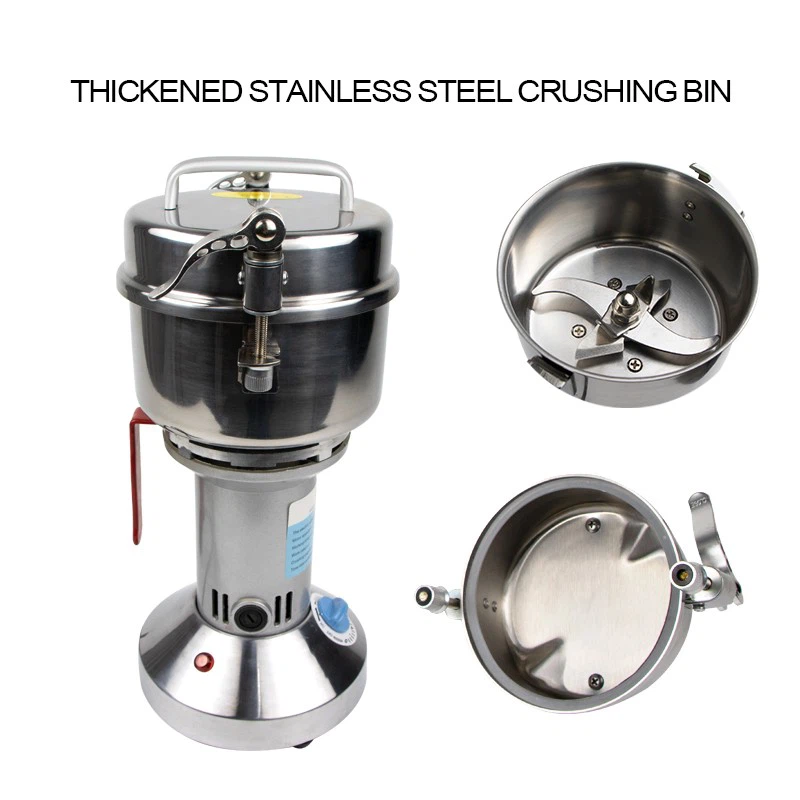
In addition to our aluminium food mixers, we also supply other household appliances such as Mosquito Killing Lamp and Multifunctional Food Crusher. Our goal is to provide high - quality, reliable products to our customers.
Conclusion
In conclusion, aluminium food mixers can be highly resistant to scratches, especially when they are made from high - quality aluminium alloys and have proper surface treatments. However, the scratch resistance also depends on the usage conditions and the quality of manufacturing. By choosing a reliable supplier and taking good care of the mixer, you can ensure that your aluminium food mixer remains scratch - free and in good condition for a long time.
If you are interested in our aluminium food mixers or other household appliances, we welcome you to contact us for more information and to discuss your procurement needs. We are committed to providing you with the best products and services.
References
- ASM Handbook Committee. ASM Handbook Volume 1: Properties and Selection: Irons, Steels, and High - Performance Alloys. ASM International, 1990.
- Schaeffler, Carl F. "The Constitution of Stainless Steels." Metal Progress, Vol. 64, 1953.
- Metals Handbook Committee. Metals Handbook Desk Edition, 2nd Edition. ASM International, 1998.