

As a seasoned wood burning stove supplier, I've encountered numerous inquiries from customers about the necessity of carbon monoxide (CO) detectors in conjunction with wood stoves. This topic is not only crucial for safety but also plays a significant role in the long - term satisfaction of our customers. In this blog, I'll delve into the science behind carbon monoxide production, the reasons why a detector is essential, and how it relates to our Windproof Wood Stove.
The Science of Carbon Monoxide Production
Carbon monoxide is a colorless, odorless, and tasteless gas. It is produced when carbon - based fuels, such as wood, burn incompletely. In a wood burning stove, the combustion process is supposed to convert wood into carbon dioxide (CO₂), water vapor, and ash. However, under certain conditions, the reaction doesn't go to completion, and carbon monoxide is formed instead.
The incomplete combustion can be caused by several factors. One of the most common reasons is a lack of sufficient oxygen. If the air intake to the stove is blocked or restricted, the wood won't burn efficiently, leading to the production of CO. For example, if you use too much wood at once or if the chimney is clogged, the oxygen supply will be limited, and the combustion will be incomplete.
Another factor is the quality of the wood. Green or wet wood contains a lot of moisture. When this wood is burned, the moisture has to be evaporated first, which requires additional heat. This can disrupt the normal combustion process and result in the formation of carbon monoxide.
Why a Carbon Monoxide Detector is Essential
Carbon monoxide is extremely dangerous to human health. When inhaled, it binds to hemoglobin in the blood more readily than oxygen. This reduces the amount of oxygen that can be transported to the body's tissues and organs, leading to a range of symptoms. At low levels of exposure, people may experience headaches, dizziness, weakness, nausea, and vomiting. As the exposure increases, more severe symptoms such as confusion, loss of consciousness, and even death can occur.
Since carbon monoxide is undetectable by our senses, a detector is the only reliable way to know if it is present in the air. A CO detector continuously monitors the air for the presence of carbon monoxide. If the concentration of CO reaches a dangerous level, the detector will emit a loud alarm, giving you and your family time to evacuate the area and seek fresh air.
For wood burning stove users, a carbon monoxide detector is like an extra layer of protection. Even if you follow all the safety guidelines and maintain your stove properly, there is always a small risk of CO production. A detector can provide peace of mind, knowing that you will be alerted if something goes wrong.
Carbon Monoxide Detectors and Our Windproof Wood Stove
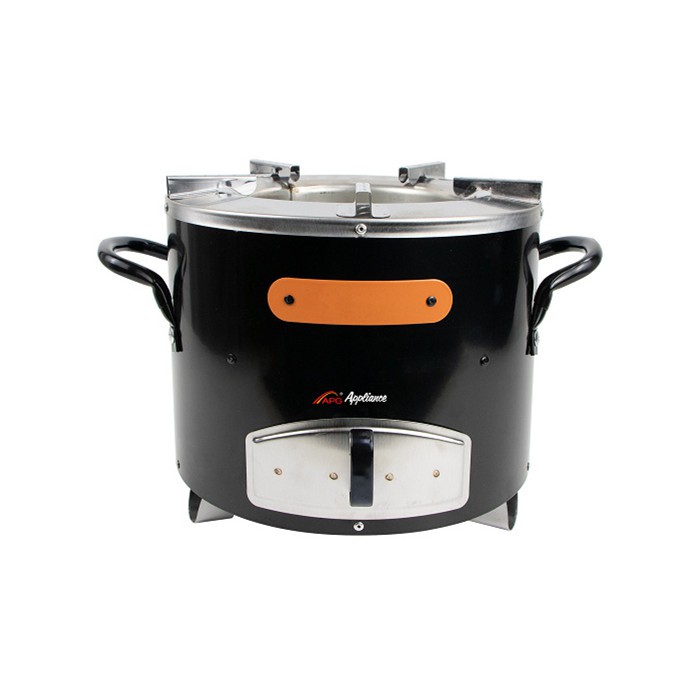
Our Windproof Wood Stove is designed to burn wood as efficiently as possible. It has a well - engineered air intake system that ensures a steady supply of oxygen to the fire, promoting complete combustion. The windproof design also helps to maintain a stable burning environment, reducing the chances of incomplete combustion.
However, even with these advanced features, we still recommend using a carbon monoxide detector. The environment in which the stove is used can vary greatly. For example, if the stove is used in a poorly ventilated area or if the chimney is affected by strong winds, the risk of CO production may increase. A detector can act as a safeguard in these situations.
When choosing a carbon monoxide detector for use with our wood stove, there are a few things to consider. First, make sure the detector is certified by a recognized testing agency. This ensures that it meets the necessary safety standards. Second, place the detector at the right location. It should be installed on the wall or ceiling, about 5 feet above the floor. Avoid placing it near windows, doors, or vents, as this can affect its accuracy.
Installation and Maintenance of Carbon Monoxide Detectors
Installing a carbon monoxide detector is relatively straightforward. Most detectors come with detailed instructions on how to mount them on the wall or ceiling. It is important to follow these instructions carefully to ensure proper installation.

Regular maintenance is also crucial for the effective operation of the detector. Test the detector at least once a month to make sure the alarm is working. Replace the batteries in battery - operated detectors every six months, or as recommended by the manufacturer. If you have a hard - wired detector, make sure it is connected to a working power source and has a backup battery in case of a power outage.
Conclusion and Call to Action
In conclusion, carbon monoxide detectors are an essential safety device for anyone using a wood burning stove, including our Windproof Wood Stove. They provide an extra layer of protection against the invisible and deadly threat of carbon monoxide.
If you are interested in purchasing our high - quality wood stoves or have any questions about carbon monoxide detectors and their use with our products, we encourage you to reach out to us for a procurement discussion. We are committed to providing you with the best products and safety advice to ensure a warm and safe experience with your wood stove.
References
- "Carbon Monoxide Poisoning." Centers for Disease Control and Prevention.
- "Wood Stove Operation and Maintenance Guide." National Fire Protection Association.