

Can a windproof wood stove be converted to use other fuels? This is a question that many of our customers have asked, and as a leading supplier of Windproof Wood Stove, I'm excited to explore this topic in depth.
Understanding the Basics of a Windproof Wood Stove
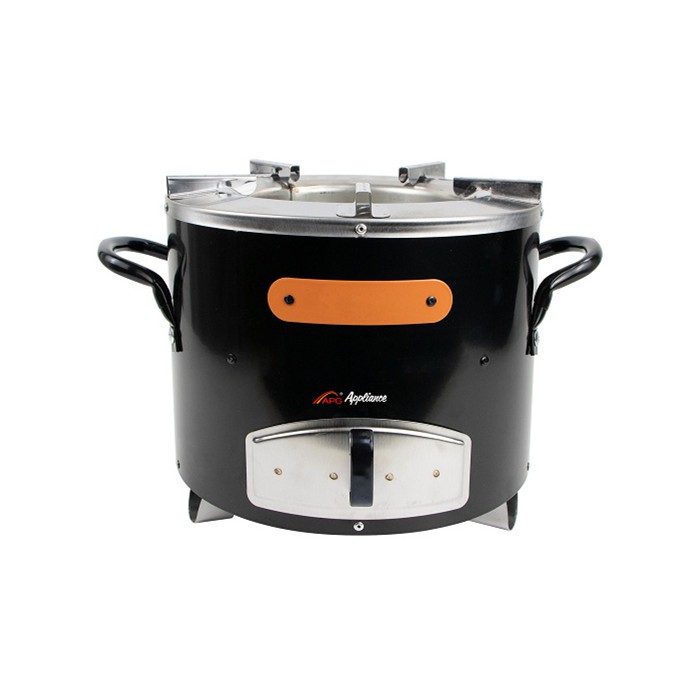
Before we delve into the possibility of fuel conversion, it's important to understand how a windproof wood stove works. Our windproof wood stoves are designed to burn wood efficiently, even in windy conditions. They typically feature a well - insulated combustion chamber, a chimney or exhaust system to direct smoke away, and a mechanism to control the airflow. The design is optimized for the unique properties of wood, such as its density, moisture content, and burning characteristics.
Wood burns through a process called pyrolysis, where heat breaks down the wood into volatile gases and charcoal. These volatile gases then ignite and produce a flame, while the charcoal continues to burn slowly. The design of our windproof wood stoves ensures that the wood is burned completely, maximizing heat output and minimizing waste.
Challenges in Converting a Windproof Wood Stove to Other Fuels
Converting a windproof wood stove to use other fuels presents several challenges. One of the primary issues is the difference in combustion characteristics between wood and other fuels. For example, gas burns much more cleanly and at a higher temperature than wood. A wood stove is not designed to handle the intense heat and rapid combustion of gas. The materials used in the construction of a wood stove may not be able to withstand the high temperatures generated by gas combustion, which could lead to damage to the stove.
Another challenge is the airflow requirements. Wood stoves are designed to have a specific amount of air intake to support the combustion of wood. Different fuels have different oxygen requirements for complete combustion. For instance, liquid fuels like kerosene or diesel require a different air - fuel ratio compared to wood. If the airflow is not adjusted correctly, the fuel may not burn efficiently, leading to incomplete combustion, the production of harmful pollutants, and a significant reduction in heat output.
Types of Fuels and Feasibility of Conversion
Let's take a look at some common alternative fuels and assess their feasibility for conversion in a windproof wood stove.
Gas
Natural gas and propane are popular alternative fuels due to their convenience and clean - burning properties. However, as mentioned earlier, converting a wood stove to use gas is extremely challenging. Gas stoves are designed with safety features such as gas valves, regulators, and ignition systems that are not present in wood stoves. Additionally, the heat output of a gas burner is much more concentrated and intense than that of a wood fire. Retrofitting a wood stove to use gas would require a complete redesign of the combustion chamber, the addition of gas - specific components, and compliance with strict safety codes. In most cases, it is not recommended to convert a wood stove to use gas without professional assistance and proper certification.
Pellets
Wood pellets are another option. They are made from compressed sawdust and have a more uniform composition compared to traditional wood. Pellets burn more efficiently and produce less ash. Some modern wood stoves can be converted to burn pellets with the addition of a pellet - specific burner insert. These inserts are designed to handle the unique feeding and combustion requirements of pellets. However, not all windproof wood stoves are suitable for pellet conversion. The stove must have enough space to accommodate the pellet hopper and the feeder mechanism. Also, the airflow and ignition system may need to be adjusted to ensure proper pellet combustion.
Liquid Fuels
Liquid fuels like kerosene and diesel can produce a significant amount of heat. However, burning liquid fuels in a wood stove is extremely dangerous. Liquid fuels have a much lower flash point than wood, which means they can ignite more easily and cause an explosion if not handled properly. The combustion of liquid fuels also produces different types of pollutants compared to wood. Moreover, the internal components of a wood stove are not designed to resist the corrosive effects of liquid fuels. Therefore, converting a wood stove to burn liquid fuels is not a viable option.
Case Studies and Examples
There have been some successful conversions of wood stoves to use alternative fuels in certain situations. For example, in some small - scale applications, homeowners have converted their wood stoves to burn pellets by installing a DIY pellet burner insert. These conversions have required some technical knowledge and a bit of trial - and - error. However, it's important to note that these are exceptions rather than the norm.
In commercial settings, professional conversion of wood stoves to other fuels is rare due to the high cost and safety risks involved. Most commercial users opt for purpose - built stoves designed for the specific fuel they want to use.
Safety Considerations
Safety should always be the top priority when considering converting a windproof wood stove to use other fuels. Any conversion should be carried out in accordance with local building codes and safety regulations. If you're not experienced in stove modifications, it's advisable to consult a professional.

Converting a stove to use an improper fuel can lead to a variety of safety hazards, including carbon monoxide poisoning, fires, and explosions. Carbon monoxide is a colorless, odorless gas that can be deadly if inhaled in high concentrations. Incomplete combustion, which can occur when using an incompatible fuel, is a major source of carbon monoxide.
Our Recommendations as a Supplier
As a supplier of Windproof Wood Stove, we recommend that you use our stoves for their intended purpose, which is burning wood. Our stoves are carefully designed and tested to ensure optimal performance and safety when burning wood.
If you're interested in using alternative fuels, we suggest investing in a stove that is specifically designed for the fuel you want to use. There are many high - quality gas stoves, pellet stoves, and liquid - fuel stoves available on the market. These stoves are engineered to handle the unique properties of each fuel, providing efficient and safe operation.
However, if you still want to explore the possibility of converting your windproof wood stove, we recommend consulting a professional stove technician. They can assess the feasibility of the conversion, make the necessary modifications, and ensure that the stove meets all safety standards.
Conclusion and Call to Action
In conclusion, while it may be possible to convert a windproof wood stove to use some alternative fuels like pellets in certain circumstances, it is a complex and potentially dangerous process. For most users, it is best to use the stove as intended or invest in a purpose - built stove for alternative fuels.
If you have any questions about our windproof wood stoves or need advice on stove operation and maintenance, please feel free to reach out to us. We are always here to assist you in making the best choice for your heating needs. Whether you're a homeowner looking for a reliable heating solution or a business in need of bulk purchases, we can provide you with high - quality products and excellent customer service. Contact us today to start a discussion about your procurement requirements.
References
- "The Handbook of Stove and Fireplace Technology" - This comprehensive guide provides in - depth information on the design, operation, and conversion of various types of stoves.
- National Fire Protection Association (NFPA) codes and standards related to stove safety and fuel conversion. These codes are essential for ensuring the safe use of stoves and any modifications made to them.
- Industry research papers on alternative fuel combustion and stove efficiency. These papers offer the latest insights into the performance of different fuels and the challenges associated with using them in stoves.