

As a supplier of Mosquito Killing Lamps, I've often been asked whether these devices can be used in a factory setting. This is a question that requires a comprehensive analysis, taking into account various factors such as the type of factory, the nature of the work, and the specific requirements for pest control.
First, let's understand how a Mosquito Killing Lamp works. Most Mosquito Killing Lamps use ultraviolet light to attract mosquitoes and other flying insects. Once the insects are lured towards the lamp, they are either electrocuted by a high - voltage grid or trapped in a sticky board. This mechanism is quite effective in reducing the mosquito population in a given area.
In many light - industrial factories, where the environment is relatively clean and the production process is not overly sensitive to external factors, a Mosquito Killing Lamp can be a great addition. For example, in a factory that manufactures Aluminium Food Mixer, the presence of mosquitoes can be not only a nuisance to the workers but also a potential threat to product quality. Mosquitoes can carry dirt and bacteria, which might contaminate the food mixers during the manufacturing process.
By installing Mosquito Killing Lamps strategically around the factory floor, workers can focus better on their tasks, and the products are less likely to be affected by pests. These lamps can be placed near windows and doorways, where mosquitoes are most likely to enter the building. Additionally, areas with standing water, such as in the factory's restrooms or near water - based cooling systems, are also ideal locations for setting up these lamps as mosquitoes are attracted to water for breeding.
However, in some heavy - industrial factories or factories with specific production environments, the use of Mosquito Killing Lamps may need to be carefully evaluated. For instance, in a chemical factory, the electrical components of the Mosquito Killing Lamp could potentially pose a safety hazard. The high - voltage grids that electrocute the mosquitoes might cause sparks, which could be extremely dangerous in an environment filled with flammable chemicals.
In a food - processing factory, where hygiene standards are extremely high, there are also concerns. Although Mosquito Killing Lamps can effectively kill mosquitoes, there is a risk that the electrocuted insects or parts of them might fall onto the food products. This contamination can lead to serious health risks for consumers and also damage the factory's reputation. In such cases, alternative pest - control methods might need to be considered, such as using insect - repellent sprays or natural pest - control agents.
Another important aspect to consider is the size of the factory. A small - scale factory may only require a few Mosquito Killing Lamps to achieve a good level of mosquito control. However, in a large - scale factory with a vast area, a more elaborate installation plan needs to be developed. Multiple lamps may need to be installed at regular intervals to ensure complete coverage of the factory space.
The cost - effectiveness of using Mosquito Killing Lamps in a factory should also be taken into account. In the long run, the initial investment in purchasing and installing these lamps can be offset by the benefits. For example, fewer mosquitoes mean less disruption to the production process due to workers swatting at insects. Additionally, there might be a reduction in the use of other pest - control measures, such as pesticides, which can be more expensive and potentially harmful to the environment.
Now, let's talk about the different types of Mosquito Killing Lamps available on the market. Some lamps are designed for indoor use, while others can be used both indoors and outdoors. For a factory, indoor - type lamps are usually more suitable, as they are designed to be placed in a relatively enclosed space. There are also different power levels available. A higher - power lamp can attract and kill more mosquitoes but may also consume more electricity. Factories need to balance between mosquito - killing efficiency and energy consumption based on their specific needs.
If you are considering a Mosquito Killing Lamp for your factory, our company offers a wide range of high - quality Mosquito Killing Lamps. Our lamps are designed with advanced technology to ensure maximum mosquito - killing efficiency while minimizing energy consumption. They are also easy to install and maintain, which is crucial for a busy factory environment.

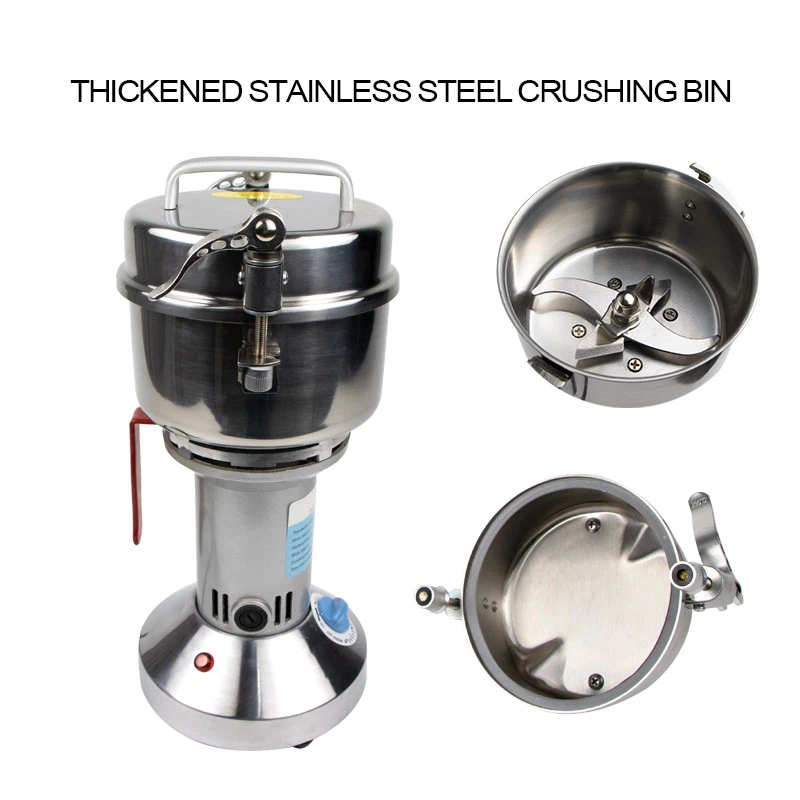
In addition to Mosquito Killing Lamps, we also supply other household appliances such as Multifunctional Food Crusher. Our products are designed to meet the diverse needs of our customers, whether it's for a household or a factory setting.
If you're interested in our Mosquito Killing Lamps or other products, and you want to discuss how they can be integrated into your factory's pest - control or production process, we encourage you to reach out. We're more than happy to provide detailed product information, offer customized solutions, and engage in procurement negotiations.
In conclusion, a Mosquito Killing Lamp can be used in a factory, but it depends on various factors. Light - industrial factories can generally benefit from their use, while heavy - industrial or food - processing factories need to carefully evaluate the potential risks. With the right type of lamp and a proper installation plan, mosquito control in a factory can be effectively achieved.
References
Kaufman, P. E. (2008). Mosquito control: current and future strategies. Journal of the American Mosquito Control Association, 24(4), 327 - 340.
Service, M. W. (2012). Mosquito ecology: field sampling methods. Springer Science & Business Media.