

Can a Kerosene Heater be Used in a Basement?
As a supplier of kerosene heaters, I often receive inquiries from customers about the suitability of using our products in various settings, and one common question is whether a kerosene heater can be used in a basement. In this blog post, I'll delve into this topic, exploring the factors to consider, the potential risks, and the safety measures to ensure a successful and safe operation of a kerosene heater in a basement.
Understanding Kerosene Heaters
Before discussing the use of kerosene heaters in basements, it's essential to understand how these heaters work. Kerosene heaters burn kerosene fuel to produce heat. They come in different types, including radiant heaters that emit heat directly, and convection heaters that warm the air around them. Our product range includes the Intelligent Remote Control Kerosene Heater, which offers convenient operation, and the Large Kerosene Heater, suitable for larger spaces.
Advantages of Using a Kerosene Heater in a Basement
There are several reasons why using a kerosene heater in a basement can be a good idea. Firstly, basements are often cooler than other parts of the house due to their location underground. A kerosene heater can effectively warm up the space, making it more comfortable for various activities such as a home gym, storage area, or a recreational room.
Secondly, kerosene heaters are portable and can be easily moved around the basement to provide heat where it's needed most. This flexibility is particularly useful if you have different areas in the basement with varying heating requirements.
Thirdly, in case of a power outage, a kerosene heater can still operate, providing a reliable source of heat. This is especially important in areas prone to power disruptions, as basements can quickly become cold without proper heating.
Potential Risks of Using a Kerosene Heater in a Basement
However, using a kerosene heater in a basement also comes with certain risks that need to be carefully considered.
Ventilation
One of the most critical factors is ventilation. Kerosene heaters produce carbon monoxide (CO) when burning fuel. Carbon monoxide is a colorless, odorless gas that can be extremely dangerous, even fatal, if inhaled in high concentrations. Basements are typically enclosed spaces with limited natural ventilation, which can lead to the accumulation of carbon monoxide. Without proper ventilation, the risk of carbon monoxide poisoning increases significantly.
Oxygen Depletion
In addition to carbon monoxide, kerosene heaters also consume oxygen during the combustion process. In a poorly ventilated basement, the oxygen levels can drop, leading to discomfort, headaches, and in severe cases, asphyxiation.
Fire Hazard
Kerosene is a flammable liquid, and there is always a risk of fire when using a kerosene heater. Basements often contain flammable materials such as cardboard boxes, old furniture, and stored chemicals. If the heater is not properly maintained or placed too close to these flammable objects, it can ignite a fire.
Fumes and Odors
Kerosene heaters can also produce fumes and odors, which can be unpleasant and may cause respiratory problems, especially for people with allergies or asthma. In a confined basement space, these fumes and odors can become more concentrated.
Safety Measures for Using a Kerosene Heater in a Basement
To minimize the risks associated with using a kerosene heater in a basement, it's crucial to follow these safety measures:
Adequate Ventilation
Ensure that the basement has proper ventilation. This can be achieved by opening windows or using a ventilation fan. A ventilation fan can help to exhaust the carbon monoxide and other fumes outside the basement, maintaining a safe air quality. It's recommended to have at least one window open or a ventilation system running while the heater is in use.

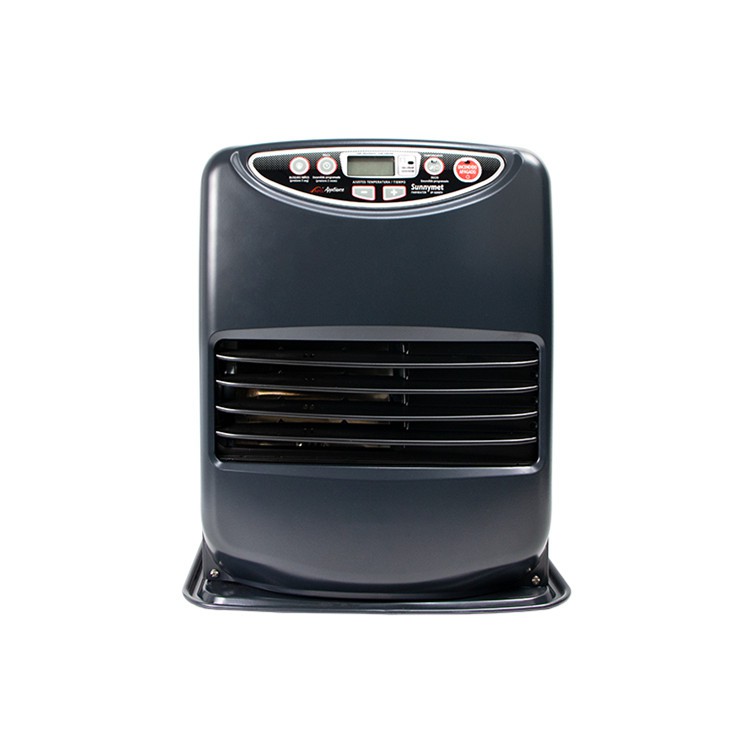
Carbon Monoxide Detector
Install a carbon monoxide detector in the basement. A carbon monoxide detector can alert you if the carbon monoxide levels in the air reach a dangerous level. Place the detector near the heater or at a central location in the basement where it can detect the gas effectively.
Oxygen Monitoring
Although not as common as carbon monoxide detectors, oxygen monitors can also be used to ensure that the oxygen levels in the basement remain within a safe range. This is especially important if the basement is poorly ventilated.
Proper Placement
Place the kerosene heater on a stable, non - flammable surface. Keep it at least three feet away from any flammable materials, such as curtains, furniture, and storage boxes. Avoid placing the heater in high - traffic areas to prevent accidental knocking over.
Regular Maintenance
Regularly maintain the kerosene heater according to the manufacturer's instructions. This includes cleaning the wick, checking for leaks, and replacing any worn - out parts. A well - maintained heater is less likely to malfunction and cause safety issues.
Fuel Storage
Store kerosene fuel in a safe, approved container away from the heater and any sources of heat or flame. Keep the fuel container in a cool, dry place and out of reach of children and pets.
Choosing the Right Kerosene Heater for Your Basement
When selecting a kerosene heater for your basement, consider the size of the basement. For larger basements, a Large Square Heater may be more suitable as it can provide more heat output. Make sure to choose a heater with a good safety record and features such as automatic shut - off in case of overheating or tipping.
Conclusion
In conclusion, a kerosene heater can be used in a basement, but it requires careful consideration of the potential risks and strict adherence to safety measures. With proper ventilation, the use of safety devices like carbon monoxide detectors, and regular maintenance, a kerosene heater can effectively and safely warm up your basement.
If you're interested in purchasing a high - quality kerosene heater for your basement or have any questions about our products, please feel free to contact us for a procurement discussion. We're here to help you find the best heating solution for your needs.
References
- "Kerosene Heaters: Safety and Efficiency." U.S. Consumer Product Safety Commission.
- "Carbon Monoxide Poisoning: Risks and Prevention." Centers for Disease Control and Prevention.
- Manufacturer's manuals for kerosene heaters.