

Hey there! As a supplier of wood burning stoves, I've seen firsthand how these cozy appliances can transform a space. But let's be real, safety should always be our top priority when using them. In this blog, I'll share some essential safety precautions to keep in mind.
1. Installation is Key
First things first, getting your wood burning stove installed correctly is crucial. You don't want to cut corners here. Make sure to hire a professional installer who knows their stuff. They'll ensure that the stove is placed on a non - combustible surface. This could be a fireproof hearth made of materials like stone or brick. A proper hearth will prevent any stray embers or heat from setting your floor on fire.
The chimney is another vital part of the installation. It needs to be the right size and properly connected to the stove. A well - functioning chimney helps to vent the smoke and harmful gases outside. If the chimney is too small or poorly installed, it can lead to a buildup of carbon monoxide inside your home. Carbon monoxide is a silent killer; it's odorless and colorless, and high levels can be extremely dangerous.
2. Keep a Safe Distance
Once your stove is installed, you need to maintain a safe distance between the stove and any flammable materials. This includes furniture, curtains, and even paper. A general rule of thumb is to keep at least 3 feet of clearance around the sides and back of the stove. You can use heat shields if you want to reduce this distance a bit, but make sure they're installed correctly.
Also, don't store any combustible items in the same room as the stove. This might seem obvious, but you'd be surprised how many people forget. It's easy to just stack some old magazines or cardboard boxes in the corner, but that's a big no - no.
3. Use the Right Wood
Not all wood is created equal when it comes to burning in a stove. You should use seasoned wood. Seasoned wood has been dried for at least 6 - 12 months, and it has a lower moisture content. Green or wet wood won't burn efficiently. It'll produce more smoke and creosote. Creosote is a sticky, flammable substance that can build up in your chimney over time. If there's too much creosote, it can cause a chimney fire.
You can tell if wood is seasoned by looking at it. Seasoned wood has cracks at the ends, and it's lighter in weight. Avoid using treated wood, plywood, or particleboard. These materials contain chemicals that can release toxic fumes when burned.
4. Regular Maintenance
Regular maintenance is essential for the safe operation of your wood burning stove. Start by cleaning the stove regularly. Remove the ashes from the firebox after each use. A buildup of ashes can restrict airflow, which can lead to poor combustion and more creosote production.
Inspect the gaskets around the door of the stove. If they're worn or damaged, replace them. Good gaskets help to keep the heat and smoke inside the stove. Check the chimney at least once a year. You can do a visual inspection yourself, but it's a good idea to have a professional chimney sweep clean and inspect it thoroughly. They can remove any creosote buildup and check for any structural damage.
5. Fire Safety Equipment
Having the right fire safety equipment in your home is a must when using a wood burning stove. Install a smoke detector near the stove and on every level of your home. Test the smoke detectors monthly to make sure they're working properly. Replace the batteries at least once a year.
A carbon monoxide detector is also essential. Place it near the sleeping areas in your home. Carbon monoxide can be deadly, so it's important to have an early warning system.
Keep a fire extinguisher in the room where the stove is located. Make sure you know how to use it. A small fire can quickly get out of control, and having a fire extinguisher on hand can save your home and your life.
6. Ventilation
Proper ventilation is crucial when using a wood burning stove. You need to ensure that there's enough fresh air coming into the room to support combustion. If there's not enough air, the fire won't burn properly, and it can produce more carbon monoxide.
You can open a small window slightly to allow fresh air to enter. Some stoves also have air vents that can be adjusted to control the airflow. Make sure these vents are not blocked.
7. Supervision
Never leave a burning fire unattended. It might seem like a small fire, but things can change quickly. If you need to leave the room, make sure the fire is completely out. You can use a fire - resistant screen in front of the stove to prevent any embers from popping out.
If you have children or pets in your home, be extra careful. Teach your children about the dangers of the wood burning stove and keep them at a safe distance. Pets can also be curious, so make sure they can't get too close to the hot stove.
8. Use the Right Accessories
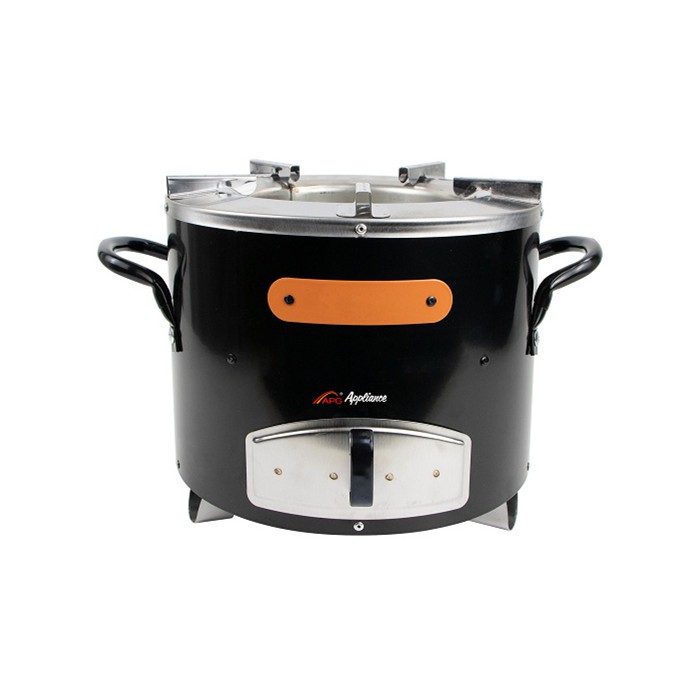
Using the right accessories can also enhance the safety of your wood burning stove. For example, a Windproof Wood Stove can be a great option if you're using the stove outdoors or in an area with a lot of wind. It helps to keep the fire burning steadily and reduces the risk of the fire being blown out or spreading.
Use a proper fire poker to move the wood around in the firebox. This will help you control the fire without getting too close to the heat. And always wear heat - resistant gloves when handling hot parts of the stove or the fire.

In conclusion, using a wood burning stove can be a great way to add warmth and charm to your home, but it comes with responsibilities. By following these safety precautions, you can enjoy the benefits of your stove without putting yourself or your home at risk.
If you're interested in purchasing a wood burning stove or have any questions about our products, feel free to reach out to us for a procurement discussion. We're here to help you find the perfect stove for your needs and ensure that you use it safely.
References
- "Wood Stove Safety Guide" by the National Fire Protection Association
- "Seasoned Wood for Wood Stoves" by the U.S. Forest Service