

Hey there! As a supplier of wood burning stoves, I often get asked about the lifespan of these cozy heating appliances. It's a crucial question, especially when you're making an investment in a stove for your home. So, let's dive right in and explore what affects the lifespan of a wood burning stove and how you can make yours last as long as possible.
Factors Affecting the Lifespan of a Wood Burning Stove
Quality of Materials
The materials used in the construction of a wood burning stove play a huge role in determining its lifespan. High - quality stoves are typically made from thick, durable steel or cast iron. Cast iron stoves, for example, are known for their excellent heat retention and long - lasting nature. They can withstand high temperatures without warping or cracking easily. On the other hand, stoves made from thinner steel may not be as durable and could start to show signs of wear and tear sooner.
When we at our company source materials for our stoves, we always go for the best. We understand that a well - made stove is an investment for our customers, and we want them to enjoy it for years to come.
Usage Frequency
How often you use your wood burning stove is another important factor. If you use it every day during the cold winter months, it's going to experience more wear and tear compared to a stove that's only used occasionally. Frequent use means more exposure to high temperatures, which can gradually break down the materials over time.
For instance, if you live in an area with a long and cold winter and rely on your wood stove as your primary source of heat, you might expect to see some signs of aging on the stove after 10 - 15 years. But if you only use it a few times a year for a cozy evening by the fire, it could last much longer, perhaps 20 years or more.
Maintenance and Cleaning
Proper maintenance and cleaning are essential for extending the lifespan of a wood burning stove. Regular cleaning of the flue and chimney helps prevent the buildup of creosote, a highly flammable substance that can cause chimney fires and also damage the stove. You should also clean the inside of the stove, removing ash and debris after each use.
Inspecting the gaskets, which seal the door of the stove, is also important. Over time, gaskets can wear out and need to be replaced. A good seal helps maintain the efficiency of the stove and prevents heat from escaping.
At our company, we always provide our customers with detailed maintenance instructions when they purchase a stove. We want to make sure they know how to take care of their investment properly.
Installation
The way a wood burning stove is installed can have a significant impact on its lifespan. A proper installation ensures that the stove is vented correctly, which is crucial for safe and efficient operation. If the stove is not installed correctly, it can lead to problems such as poor draft, which can cause incomplete combustion and the buildup of harmful gases.
It's always a good idea to have a professional install your wood burning stove. They have the knowledge and experience to ensure that everything is set up correctly, from the placement of the stove to the installation of the chimney.
Average Lifespan of a Wood Burning Stove
On average, a well - maintained wood burning stove can last anywhere from 15 to 25 years. However, this is just a general estimate, and the actual lifespan can vary depending on the factors we've discussed above.
Some high - end, well - made stoves can last even longer. There are stories of stoves that have been in families for generations, still going strong after 50 years or more. These are usually stoves that have been well - cared for and made from top - quality materials.
Extending the Lifespan of Your Wood Burning Stove
Use the Right Wood
Using the right type of wood in your stove can make a big difference. Hardwoods like oak, maple, and hickory are better than softwoods because they burn more slowly and produce less creosote. Softwoods, such as pine, tend to burn quickly and can leave behind more residue.
Follow the Manufacturer's Instructions
Always follow the manufacturer's instructions for operating and maintaining your stove. This includes things like how to load the wood, how to adjust the air intake, and how often to clean the stove.

Upgrade When Necessary
If you notice that your stove is starting to show signs of significant wear and tear, such as cracks in the firebox or a faulty door seal, it might be time to consider an upgrade. Upgrading to a new and more efficient stove can not only improve your heating experience but also save you money on fuel in the long run.
Our Windproof Wood Stove
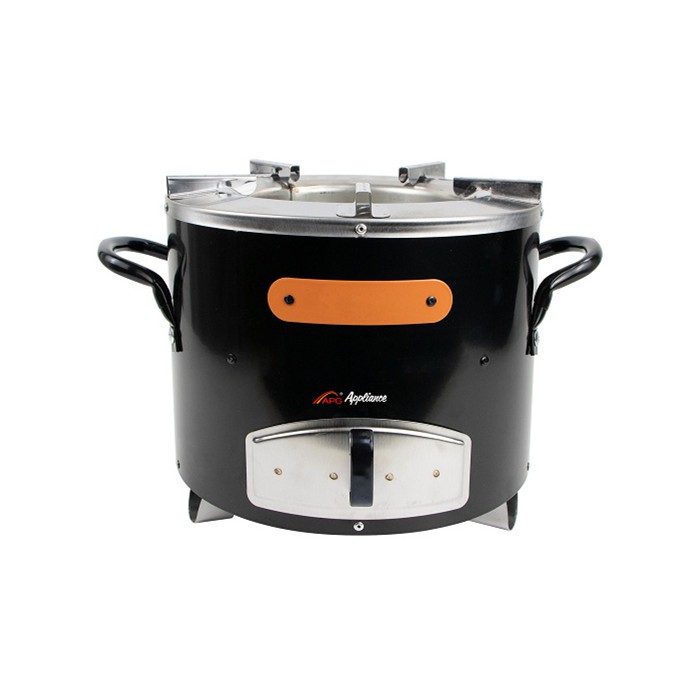
If you're in the market for a new wood burning stove, we have a great option for you - the Windproof Wood Stove. This stove is designed to be highly efficient and durable, even in windy conditions. It's made from high - quality materials and comes with all the features you need for a great wood - burning experience.
The windproof design helps maintain a steady draft, ensuring that the wood burns evenly and efficiently. It also has a well - sealed door and a large firebox, allowing you to load more wood at once and enjoy a longer - lasting fire.
Conclusion
The lifespan of a wood burning stove depends on several factors, including the quality of materials, usage frequency, maintenance, and installation. By taking good care of your stove and following the tips we've discussed, you can expect it to last for many years.
If you're interested in purchasing a wood burning stove or have any questions about our products, don't hesitate to reach out. We're here to help you find the perfect stove for your home and ensure that you get the most out of your investment.
References
- "The Complete Guide to Wood Stoves" by Wood Stove Experts
- "Wood Stove Maintenance and Safety" published by the National Fire Protection Association