

Insulation plays a pivotal role in the performance and efficiency of a windproof wood stove. As a trusted supplier of Windproof Wood Stove, I am well - versed in the ins and outs of what makes a great insulating system for these stoves. In this blog, we will explore the concept of insulation in windproof wood stoves, its importance, types of insulation materials, and how it impacts the overall user experience.
What is Insulation in a Windproof Wood Stove?
Insulation in a windproof wood stove refers to the materials and design features that are used to prevent the loss of heat from the stove's interior to the surrounding environment. When a wood stove burns, it generates a significant amount of heat. Without proper insulation, much of this heat would escape through the walls of the stove, reducing its efficiency and potentially causing safety hazards.
The primary function of insulation is to contain the heat within the combustion chamber. This allows the wood to burn more completely, as the high - temperature environment promotes better combustion. Additionally, it helps to maintain a consistent temperature inside the stove, which is crucial for efficient heat transfer to the room.
Importance of Insulation in Windproof Wood Stoves
Energy Efficiency
One of the most significant benefits of good insulation is improved energy efficiency. A well - insulated windproof wood stove can convert a higher percentage of the energy in the wood into usable heat for the room. This means that you can burn less wood to achieve the same level of warmth, saving you money on fuel costs in the long run.
Safety
Insulation also plays a vital role in safety. By preventing excessive heat from reaching the outer surfaces of the stove, it reduces the risk of burns and fires. A windproof wood stove with proper insulation will have cooler outer walls, making it safer to be around, especially in homes with children or pets.
Consistent Heat Output
Insulation helps to maintain a stable temperature inside the combustion chamber. This results in a more consistent heat output, which is more comfortable for the occupants of the room. Instead of experiencing sudden spikes and drops in temperature, you can enjoy a steady and reliable source of warmth.
Types of Insulation Materials
Ceramic Fiber
Ceramic fiber is a popular insulation material for windproof wood stoves. It is made from ceramic materials and has excellent thermal insulation properties. Ceramic fiber can withstand high temperatures, making it ideal for use in the intense heat of a wood - burning stove. It is lightweight, which helps to reduce the overall weight of the stove, and it also has good resistance to thermal shock.
Vermiculite
Vermiculite is a natural mineral that expands when heated. It is often used as an insulation material in wood stoves because of its low thermal conductivity. Vermiculite is relatively inexpensive and easy to work with. It can be mixed with other materials to form a refractory lining, which helps to protect the stove's interior from the heat of the fire.
Perlite
Perlite is another lightweight insulation material. It is made from volcanic glass that has been heated and expanded. Perlite has good insulating properties and is resistant to fire. It is often used in combination with other materials to create a more effective insulation system for windproof wood stoves.
Design Considerations for Insulation
The design of the insulation in a windproof wood stove is just as important as the choice of materials. A well - designed insulation system should cover all the critical areas of the stove, including the sides, top, and bottom of the combustion chamber.
Double - Wall Construction
Many windproof wood stoves use a double - wall construction. The inner wall is in direct contact with the fire, while the outer wall is separated from the inner wall by an air gap or insulation material. This design helps to reduce heat transfer to the outer surface of the stove, improving both efficiency and safety.
Sealing
Proper sealing is essential for effective insulation. Any gaps or cracks in the stove's structure can allow heat to escape. High - temperature gaskets are often used to seal the doors and other openings of the stove. These gaskets must be able to withstand the high temperatures inside the stove and maintain a tight seal over time.
Impact of Insulation on the User Experience
Easier Ignition
A well - insulated windproof wood stove is easier to ignite. The insulation helps to retain the heat generated by the initial fire, which makes it easier for the wood to catch fire and start burning. This means that you can spend less time struggling to get the fire going and more time enjoying the warmth.
Longer Burn Times
Insulation also allows for longer burn times. Since the heat is contained within the combustion chamber, the wood burns more slowly and efficiently. This means that you don't have to reload the stove as often, providing a more convenient and hassle - free heating experience.
How Our Windproof Wood Stoves Excel in Insulation
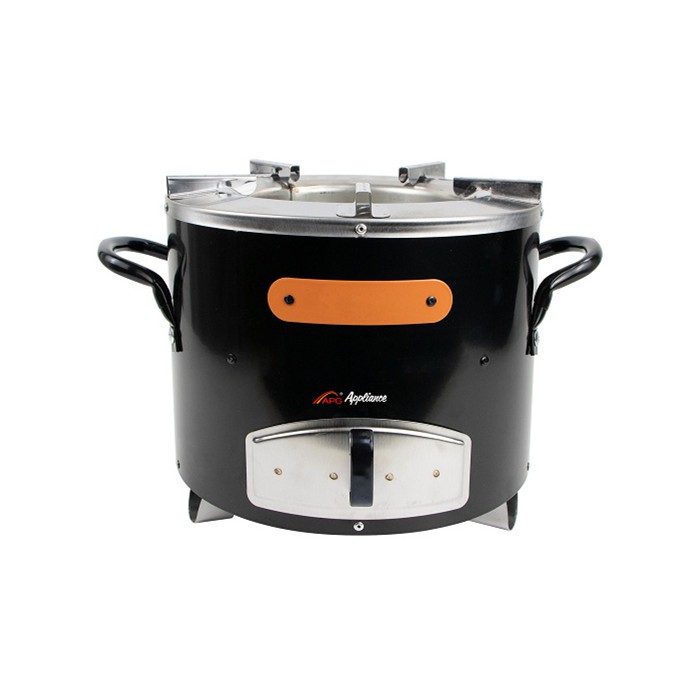
As a supplier of Windproof Wood Stove, we take great pride in the insulation systems of our stoves. We use high - quality insulation materials such as ceramic fiber and vermiculite to ensure maximum energy efficiency and safety.
Our stoves are designed with a double - wall construction and tight sealing to prevent heat loss. We also conduct rigorous testing to ensure that our insulation systems meet the highest standards. This means that when you choose our windproof wood stoves, you can expect a reliable and efficient heating solution for your home.

Conclusion
Insulation is a crucial aspect of a windproof wood stove. It affects the stove's energy efficiency, safety, and overall performance. By understanding the different types of insulation materials and design considerations, you can make an informed decision when choosing a windproof wood stove for your home.
If you are interested in learning more about our windproof wood stoves or are considering a purchase, we encourage you to reach out to us for a detailed discussion. Our team of experts is ready to assist you in finding the perfect stove to meet your heating needs.
References
- "Wood Stove Handbook" by John Smith
- "Thermal Insulation Materials: Properties and Applications" by David Brown
- Industry research reports on windproof wood stoves