

What are the landlord - tenant regulations regarding wood burning stoves?
As a wood burning stove supplier, I've encountered numerous inquiries from both landlords and tenants about the regulations surrounding wood burning stoves. These regulations are crucial for ensuring the safety and well - being of everyone involved, as well as for maintaining compliance with local laws.
Legal Requirements for Landlords
Landlords have a significant responsibility when it comes to providing a safe living environment for their tenants, especially when a property includes a wood burning stove. In many regions, landlords are legally obligated to ensure that the stove is installed correctly. This means hiring a qualified professional who is certified to install wood burning stoves. A proper installation is not only about the physical placement of the stove but also about ensuring proper ventilation. An incorrectly installed stove can lead to a build - up of carbon monoxide, a colorless and odorless gas that can be fatal.
Most areas require that the stove and its flue system be inspected regularly. The frequency of these inspections can vary, but it's typically once a year. The inspection should cover the structural integrity of the stove, the condition of the flue, and the efficiency of the ventilation system. Landlords are also responsible for providing clear instructions to tenants on how to use the wood burning stove safely. This includes information on what types of wood to burn, how to start and maintain a fire, and what to do in case of an emergency.
In some jurisdictions, landlords may need to obtain a permit for the wood burning stove. This is especially true in areas where air quality is a concern. The permit process usually involves demonstrating that the stove meets certain emissions standards. Failure to obtain the necessary permit can result in fines for the landlord.
Tenant Responsibilities
Tenants also have their share of responsibilities when it comes to using a wood burning stove. First and foremost, they must follow the instructions provided by the landlord. This includes using only the recommended types of wood. Burning treated or painted wood can release harmful chemicals into the air, which is not only dangerous for the health of the tenants but can also violate local air quality regulations.
Tenants are responsible for keeping the area around the stove clear. Flammable materials such as curtains, papers, and furniture should be kept at a safe distance. They should also ensure that the stove is not over - loaded with wood, as this can lead to excessive heat and potential fire hazards.
Regular cleaning of the stove and the flue is another important tenant responsibility. Creosote, a by - product of burning wood, can build up in the flue over time. If not removed, it can increase the risk of a chimney fire. Tenants should clean the stove's ash pan regularly to maintain proper airflow.
Insurance Considerations
Both landlords and tenants need to be aware of how wood burning stoves can affect their insurance policies. Landlords should inform their insurance providers that the property has a wood burning stove. Failure to do so could invalidate the insurance policy in case of a fire or other incident related to the stove.
Tenants should also check their renter's insurance to see if it covers damages or injuries related to the wood burning stove. Some policies may have specific exclusions or requirements for wood burning stoves. For example, the policy may require that the stove be inspected annually by a professional.
Impact on Air Quality
Wood burning stoves can have a significant impact on air quality, especially in densely populated areas. Many local governments have regulations in place to limit the emissions from wood burning stoves. These regulations may restrict the use of stoves during certain times of the year, such as during periods of poor air quality or high pollution alerts.
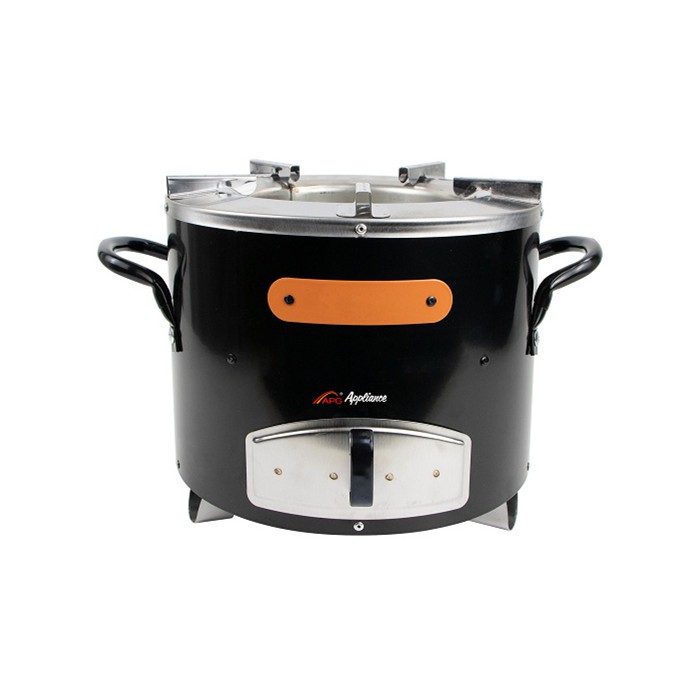
As a wood burning stove supplier, I always recommend stoves that are designed to be more efficient and produce fewer emissions. For instance, the Windproof Wood Stove is a great option. It is engineered to burn wood more completely, which not only reduces emissions but also provides more heat with less wood.
Dispute Resolution
In case of disputes between landlords and tenants regarding wood burning stoves, it's important to have a clear understanding of the regulations and the terms of the lease agreement. If the issue is related to the installation or maintenance of the stove, and the landlord has not fulfilled their legal obligations, the tenant may have the right to demand that the problem be fixed.
On the other hand, if the tenant has violated the rules regarding the use of the stove, the landlord may have the right to take action, such as issuing a warning or, in extreme cases, terminating the lease. It's always a good idea for both parties to try to resolve the issue amicably before resorting to legal action.
Conclusion
In conclusion, the regulations regarding wood burning stoves for landlords and tenants are complex but essential for safety and compliance. Landlords must ensure proper installation, inspection, and provide clear instructions, while tenants must use the stove responsibly. Air quality and insurance considerations also play a significant role.
If you're interested in purchasing a high - quality wood burning stove that meets all the necessary standards, I encourage you to reach out for a purchase negotiation. We offer a wide range of wood burning stoves, including the highly efficient Windproof Wood Stove, which is designed to provide a warm and safe environment while minimizing environmental impact. Contact us today to discuss your specific needs and find the perfect wood burning stove for your property.

References
- Local building codes and regulations for wood burning stoves.
- Insurance policy documents for landlords and tenants.
- Air quality guidelines and regulations in relevant areas.