

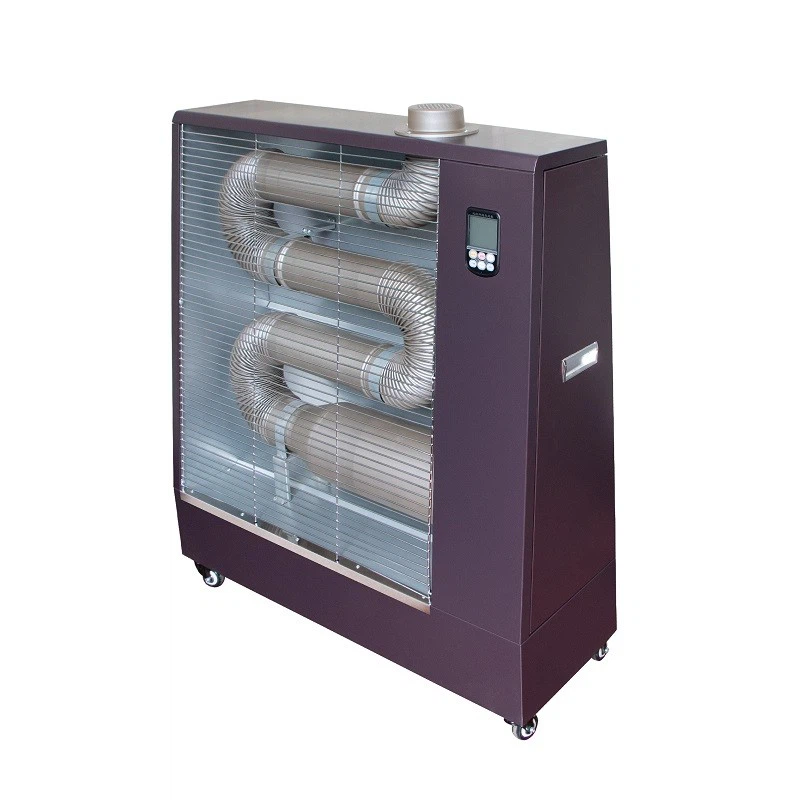
Testing the heating performance of a large square heater is a crucial step in ensuring its efficiency, safety, and overall quality. As a supplier of Large Square Heater, I understand the importance of accurate testing to provide customers with reliable products. In this blog post, I will share some scientific and practical methods for testing the heating performance of large square heaters.

1. Preparation Before Testing
1.1 Select a Suitable Testing Environment
The testing environment should be a closed space to minimize the influence of external factors such as wind and temperature changes. A room with good insulation is ideal. The size of the room should be appropriate for the heater's rated heating area. For example, if the heater is designed to heat a 20 - square - meter area, a room of around this size is suitable.
1.2 Gather Necessary Testing Tools
- Thermometers: Multiple thermometers are needed to measure the temperature at different locations in the testing room. Digital thermometers with high accuracy are preferred.
- Power Meter: To measure the actual power consumption of the heater during operation, which helps to evaluate its energy efficiency.
- Stopwatch: To record the time accurately during the testing process.
2. Initial Inspection of the Heater
2.1 Visual Inspection
Before starting the test, conduct a thorough visual inspection of the heater. Check for any obvious damage to the casing, heating elements, and electrical connections. Make sure all parts are in good condition and properly assembled.
2.2 Function Check
Turn on the heater and check if all functions are working properly. This includes adjusting the temperature settings, testing the fan speed (if applicable), and verifying the operation of any additional features such as timers or remote controls. For example, our 2500W Portable Kerosene Heater has a user - friendly control panel, and we need to ensure that all buttons and settings are functioning as expected.
3. Heating Performance Testing
3.1 Temperature Rise Test
- Initial Temperature Measurement: Measure the initial temperature of the testing room at multiple points, including the center, corners, and near the walls. Record these values.
- Heater Operation: Start the heater at its maximum power setting and start the stopwatch simultaneously.
- Temperature Monitoring: At regular intervals (e.g., every 5 minutes), measure the temperature at the same points in the room. Continue this process until the temperature in the room stabilizes or reaches a certain target temperature.
- Analysis of Results: Calculate the average temperature rise in the room over time. A good - performing large square heater should be able to raise the temperature quickly and evenly. Compare the actual temperature rise with the manufacturer's specifications.
3.2 Temperature Distribution Test
- Mapping the Temperature: After the temperature in the room has stabilized, use multiple thermometers to map the temperature distribution in the room. Place thermometers at different heights and locations to get a comprehensive understanding of how the heat is distributed.
- Evaluating Uniformity: Analyze the temperature differences between different points in the room. A high - quality heater should provide relatively uniform heating, with a small temperature difference between the center and the corners of the room.
3.3 Energy Efficiency Test
- Power Consumption Measurement: Use the power meter to measure the actual power consumption of the heater during the entire testing process.
- Calculating Energy Efficiency: Calculate the energy efficiency of the heater by comparing the amount of heat generated (based on the temperature rise and the volume of the room) with the power consumption. A more energy - efficient heater will consume less power while achieving the same or better heating performance.
4. Safety Testing
4.1 Overheat Protection Test
- Monitoring Temperature: While the heater is operating, monitor the temperature of critical components such as the heating elements and the casing.
- Triggering Overheat Protection: If the heater is equipped with an overheat protection function, try to simulate an overheating situation (e.g., by blocking the air intake slightly) to see if the overheat protection mechanism is triggered correctly. Once triggered, the heater should automatically shut down or reduce its power output to prevent overheating.
4.2 Flame Safety Test (for Kerosene Heaters)
- Flame Stability: Observe the flame of the kerosene heater during operation. The flame should be stable, without flickering or going out unexpectedly.
- Combustion Efficiency: Check for any signs of incomplete combustion, such as black smoke or a strong odor. A well - designed kerosene heater, like our Intelligent Remote Control Kerosene Heater, should have high combustion efficiency, which not only ensures better heating performance but also reduces environmental pollution.
5. Long - Term Performance Testing
5.1 Continuous Operation Test
Run the heater continuously for an extended period (e.g., 24 hours) to check its long - term reliability. Monitor its performance during this time, including temperature rise, power consumption, and any signs of malfunction.
5.2 Wear and Tear Inspection
After the long - term operation test, inspect the heater for any signs of wear and tear. Check the condition of the heating elements, fan blades, and other moving parts. Replace any damaged parts if necessary.
6. Data Analysis and Reporting
6.1 Data Compilation
Collect all the data obtained during the testing process, including temperature measurements, power consumption, and test times. Organize the data in a clear and systematic manner.
6.2 Analysis of Results
Analyze the data to evaluate the heating performance, energy efficiency, and safety of the heater. Compare the test results with the product specifications and industry standards.
6.3 Reporting
Prepare a detailed test report that includes the test methods, results, and conclusions. The report should also highlight any areas for improvement or potential issues with the heater.
7. Conclusion and Contact for Purchase
In conclusion, testing the heating performance of a large square heater is a comprehensive process that involves multiple aspects, including temperature rise, temperature distribution, energy efficiency, and safety. Through rigorous testing, we can ensure that our products meet the highest standards of quality and performance.
If you are interested in our Large Square Heater or other heater products, we welcome you to contact us for further purchase discussions. We are committed to providing you with high - quality heaters and excellent customer service.
References
- ASHRAE Handbook - Fundamentals. American Society of Heating, Refrigerating and Air - Conditioning Engineers.
- International Electrotechnical Commission (IEC) standards related to heaters.