

Selecting the appropriate wattage for a large square heater is a crucial decision that significantly impacts both comfort and energy efficiency. As a reputable supplier of large square heaters, we understand the complexities involved in this choice. In this blog, we'll guide you through the key factors to consider when determining the right wattage for your large square heater, ensuring you make an informed decision.
Understanding Wattage and Its Impact
Wattage is a measure of the power consumption and heat output of an electric heater. In simple terms, the higher the wattage, the more heat the heater can produce. However, it's essential to balance heat output with energy consumption to avoid unnecessary costs. For large square heaters, which are designed to heat spacious areas, finding the right wattage is even more critical.
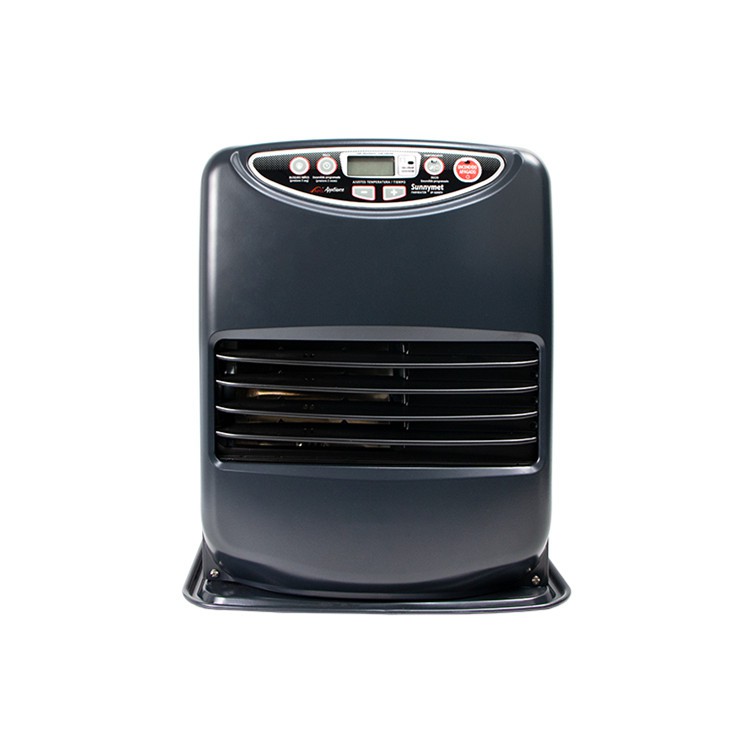
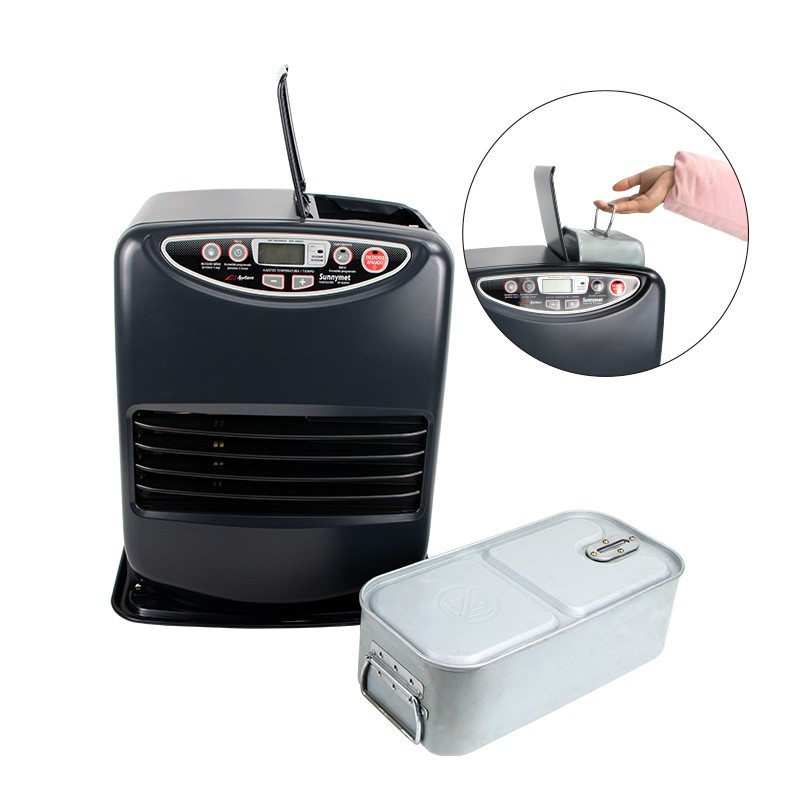
Factors to Consider When Choosing Wattage
1. Room Size
The size of the room is one of the most important factors in determining the appropriate wattage for your heater. Larger rooms require more power to achieve and maintain a comfortable temperature. As a general rule of thumb, you'll need approximately 10 watts of power per square foot of space. For example, a 200-square-foot room would typically require a 2000-watt heater. However, this is just a starting point, and other factors can influence the actual wattage needed.
2. Insulation
The insulation of the room plays a significant role in heat retention. Well-insulated rooms lose heat more slowly, meaning you may be able to use a lower-wattage heater to achieve the same level of warmth. On the other hand, poorly insulated rooms will require a higher-wattage heater to compensate for the heat loss. If your room has thin walls, single-pane windows, or drafty areas, you'll likely need to increase the wattage of your heater.
3. Ceiling Height
Higher ceilings can make a room feel colder because warm air rises. In rooms with high ceilings, you may need a higher-wattage heater to ensure that the heat reaches all areas of the space. As a general guideline, add an additional 10-20% to the recommended wattage for every foot of ceiling height above 8 feet.
4. Desired Temperature
The temperature you want to maintain in the room will also affect the wattage requirements. If you prefer a warmer environment, you'll need a heater with a higher wattage. Conversely, if you're willing to tolerate a slightly cooler temperature, you can opt for a lower-wattage heater.
5. Climate
The climate in your area is another important consideration. If you live in a cold climate, you'll need a more powerful heater to combat the low temperatures. In contrast, if you live in a milder climate, a lower-wattage heater may be sufficient.
Calculating the Right Wattage
To calculate the approximate wattage needed for your large square heater, follow these steps:
- Measure the length and width of the room in feet.
- Multiply the length by the width to get the square footage of the room.
- Multiply the square footage by 10 to get the basic wattage requirement.
- Adjust the wattage based on the insulation, ceiling height, desired temperature, and climate factors mentioned above.
For example, let's say you have a 300-square-foot room with average insulation, 9-foot ceilings, and you want to maintain a temperature of 72°F in a moderately cold climate. Here's how you would calculate the wattage:
- Basic wattage requirement: 300 square feet x 10 watts per square foot = 3000 watts
- Adjustment for ceiling height: 3000 watts x 1.1 (10% increase for 1 foot above 8 feet) = 3300 watts
- Adjustment for climate: Add an additional 10% for a moderately cold climate, so 3300 watts x 1.1 = 3630 watts
In this case, a heater with a wattage of around 3600 watts would be appropriate.
Our Product Recommendations
As a leading supplier of large square heaters, we offer a range of products to suit different needs and budgets. Here are some of our top recommendations:
- Intelligent Remote Control Kerosene Heater: This heater features intelligent remote control functionality, allowing you to adjust the temperature and settings from the comfort of your couch. With a high wattage output, it's ideal for large rooms.
- 2500W Portable Kerosene Heater: This portable heater is perfect for heating smaller to medium-sized rooms. Its 2500-watt output provides efficient and effective heating, and it's easy to move from room to room.
- Large Kerosene Heater: Our large kerosene heater is designed for spacious areas. With a powerful wattage and a large heating capacity, it can quickly warm up even the coldest rooms.
Making the Final Decision
When choosing the right wattage for your large square heater, it's important to consider all the factors mentioned above. By taking the time to calculate your specific requirements and exploring our product range, you can find a heater that provides the perfect balance of heat output and energy efficiency.
If you have any questions or need further assistance in selecting the right heater for your needs, our team of experts is here to help. We're committed to providing you with the best products and services, ensuring your comfort and satisfaction.
Contact Us for Purchase and Negotiation
Are you interested in purchasing a large square heater? We're here to assist you with your procurement needs. Whether you're a homeowner looking to heat your living space or a business owner in need of a commercial heating solution, we can offer you the right products at competitive prices.
Contact us today to start the negotiation process and find the perfect large square heater for your requirements. Our sales team will be happy to provide you with detailed product information, pricing, and any other assistance you may need.
References
- "Heating and Cooling Load Calculations." ASHRAE Handbook - Fundamentals. American Society of Heating, Refrigerating and Air-Conditioning Engineers, Inc., 2017.
- "Energy Efficiency in Heating Systems." U.S. Department of Energy. Available at: [URL to relevant DOE page] (Note: Replace with actual URL when available).