

Hey there! As a supplier of Windproof Wood Stove, I've gotten tons of questions from folks about how to adjust the flame of these awesome stoves. It's not as complicated as it might seem at first, and I'm here to break it down for you step by step.
First things first, let's talk about why you'd even want to adjust the flame. Well, there are a few reasons. Maybe you're trying to heat up a small space quickly, so you need a big, roaring flame. Or perhaps you're just looking to keep a gentle, long - lasting fire going to provide a bit of warmth without using too much wood. Whatever your reason, being able to control the flame is super important.
Understanding the Basics of a Windproof Wood Stove
Before we dive into flame adjustment, it's crucial to understand how a windproof wood stove works. These stoves are designed to burn wood efficiently, even in windy conditions. They usually have a combustion chamber where the wood is burned, an air intake system, and a chimney or flue to let out the smoke.
The air intake is the key to controlling the flame. More air means more oxygen, which leads to a hotter, more intense fire. Less air, on the other hand, will slow down the combustion process and result in a smaller, more subdued flame.
Step 1: Check the Air Intake Settings
Most windproof wood stoves come with adjustable air vents. These vents can be located on the front, side, or bottom of the stove. The first thing you should do is check the current position of these vents. If they're fully open, you're getting a lot of air into the combustion chamber, which will create a big flame. If they're mostly closed, the flame will be smaller.
To start adjusting the flame, you can simply open or close these vents. If you want a bigger flame, open the vents a bit more. If you want it to die down, close them slightly. It's a good idea to make small adjustments at a time and wait a few minutes to see how the flame responds. This way, you won't end up with a flame that's too big or too small.
Step 2: Choose the Right Wood
The type of wood you use also plays a huge role in the flame. Hardwoods like oak, maple, and hickory burn hotter and longer than softwoods like pine and cedar. If you're looking for a big, intense flame, hardwoods are your best bet. However, they can be a bit more expensive and harder to find.
Softwoods are more readily available and cheaper, but they burn faster and produce more creosote. Creosote is a sticky, flammable substance that can build up in your chimney and cause a fire hazard. So, if you're using softwoods, make sure to clean your chimney regularly.
When you're loading the stove, try to use a mix of different wood sizes. Smaller pieces of wood will catch fire quickly and help get the fire started, while larger pieces will burn for a longer time and provide a more consistent heat.
Step 3: Load the Wood Properly
How you load the wood into the stove can affect the flame as well. You don't want to overcrowd the combustion chamber, as this will restrict the airflow and make it harder for the wood to burn properly. Instead, stack the wood in a way that allows air to circulate around it.
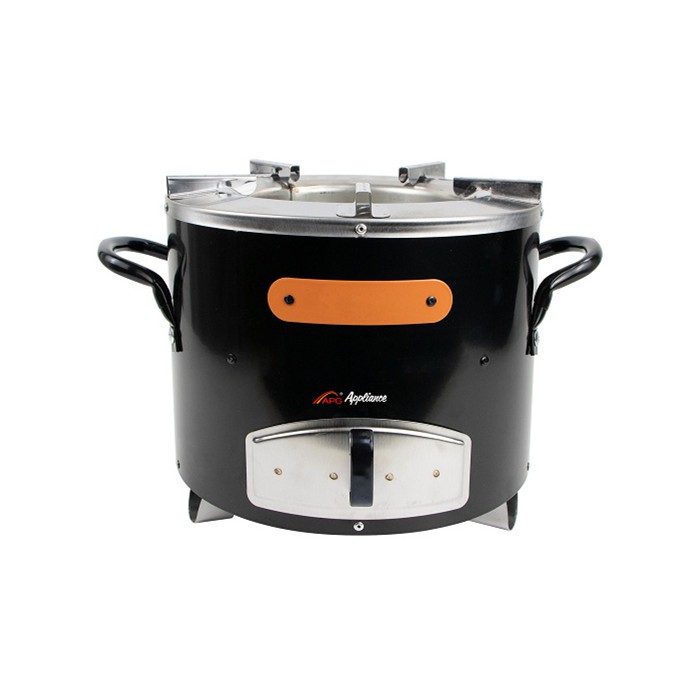

A good way to do this is to create a teepee or pyramid shape with the wood. Start with a few larger pieces at the bottom and then stack smaller pieces on top, leaving some space between them. This will allow air to flow through the wood and reach the oxygen - hungry flames.
Step 4: Monitor the Flame
Once you've made your adjustments and loaded the wood, it's important to keep an eye on the flame. Watch how it behaves over time. If the flame starts to get too big or too small, you can make further adjustments to the air vents.
You can also tell a lot about the combustion process by looking at the color of the flame. A healthy, efficient fire will have a bright yellow or orange flame. If the flame is mostly blue, it might mean that there's too much air getting into the stove. If it's a dull red or black, there might not be enough oxygen.
Step 5: Season Your Wood
Seasoned wood is wood that has been dried for at least six months to a year. It burns much better than green or unseasoned wood because it has less moisture content. Moisture in the wood can make it harder to light and can also cause the flame to be weak and smoky.
If you're using unseasoned wood, you might notice that it takes longer to get the fire going and that the flame doesn't burn as hot. To season your wood, stack it in a dry, well - ventilated area and let it sit for a while. You can tell if the wood is seasoned if it's light in weight, has cracks at the ends, and makes a hollow sound when you hit two pieces together.
Troubleshooting Common Flame Problems
Sometimes, even if you follow all the steps, you might still run into some issues with the flame. Here are a few common problems and how to fix them:
- Weak or Smoky Flame: If your flame is weak and smoky, it could be because there's not enough air getting into the stove. Check the air vents and make sure they're open enough. It could also be due to using unseasoned wood. Try switching to seasoned wood and see if that helps.
- Too Big of a Flame: If the flame is too large and out of control, close the air vents a bit. You might also want to remove some of the wood from the stove to reduce the fuel supply.
- Flame Keeps Going Out: This could be because there's not enough oxygen or because the wood is too wet. Make sure the air vents are open enough and try using drier wood.
Conclusion
Adjusting the flame of a windproof wood stove is all about finding the right balance between air intake, wood type, and loading technique. By following these steps and keeping an eye on the flame, you'll be able to create the perfect fire for your needs.
If you're interested in purchasing a Windproof Wood Stove or have any more questions about flame adjustment or our products, don't hesitate to reach out. We're here to help you make the most of your wood - burning experience.
References
- "The Complete Guide to Wood Stove Operation" by Wood Stove Experts
- "Wood Burning Basics" from the National Fireplace Institute