

As a seasoned wood burning stove supplier, I've witnessed firsthand the transformative power of a well - adjusted wood stove. The ability to control the airflow in a wood burning stove is not just a technical skill; it's an art that can significantly enhance the stove's performance, efficiency, and safety. In this blog, I'll share some in - depth knowledge on how to adjust the airflow on a wood burning stove.
Understanding the Basics of Airflow in a Wood Burning Stove
Before we delve into the adjustment process, it's crucial to understand why airflow is so important. A wood burning stove operates on the principle of combustion, which requires three elements: fuel (wood), heat, and oxygen. Airflow provides the oxygen necessary for the wood to burn. Insufficient airflow can lead to incomplete combustion, resulting in less heat output, more smoke, and the buildup of creosote in the chimney. On the other hand, excessive airflow can cause the fire to burn too quickly, wasting fuel and potentially overheating the stove.
There are generally two types of airflow in a wood burning stove: primary and secondary. Primary airflow is the air that enters the stove at the bottom, directly to the firebox. It is responsible for igniting the wood and maintaining the initial combustion. Secondary airflow, on the other hand, enters the stove above the firebox. It helps to burn off the volatile gases released by the burning wood, increasing efficiency and reducing emissions.
Tools Needed for Airflow Adjustment
To adjust the airflow on your wood burning stove, you don't need a lot of fancy tools. Usually, a simple stove poker and a thermometer are sufficient. The stove poker can be used to adjust the position of the wood in the firebox, which can affect airflow. The thermometer is useful for monitoring the temperature of the stove and the chimney, helping you to determine if the airflow is appropriate.
Step - by - Step Guide to Adjusting Airflow
1. Start with a Clean Stove
Before making any airflow adjustments, ensure that your wood burning stove is clean. Remove any ashes, unburned wood, or debris from the firebox and the ash pan. A clean stove allows for better airflow and more efficient combustion.
2. Set the Primary Airflow
When starting a fire, open the primary air control fully. This allows a large amount of oxygen to reach the fire, making it easier to ignite the wood. Once the fire is well - established, you can start to reduce the primary airflow. You'll notice that as you close the primary air control, the flames will become smaller and more controlled.
The key here is to find a balance. If the flames die out completely, you've closed the primary air control too much. If the fire is burning too vigorously and the flames are shooting out of the stove, you need to close the primary air control a bit more.
3. Adjust the Secondary Airflow
After the primary fire is burning steadily, it's time to adjust the secondary airflow. The secondary air control is usually located above the firebox. Open the secondary air control gradually. You'll see that the flames become more intense and blue - colored. This indicates that the secondary airflow is helping to burn off the volatile gases, making the combustion more efficient.
Monitor the temperature of the stove and the chimney while adjusting the secondary airflow. If the temperature is too high, you may need to reduce the secondary airflow slightly. If the temperature is too low and there is a lot of smoke, you may need to increase it.
4. Monitor and Fine - Tune
Once you've set the primary and secondary airflow, keep an eye on the fire and the temperature. You may need to make small adjustments over time as the wood burns down and the conditions in the stove change. For example, if you add more wood to the firebox, you may need to open the air controls a bit to provide more oxygen.
Factors Affecting Airflow Adjustment
1. Type of Wood
Different types of wood have different burning characteristics. Hardwoods like oak and maple burn more slowly and require less airflow compared to softwoods like pine. When using different types of wood, you may need to adjust the airflow accordingly.
2. Altitude
If you live at a high altitude, the air is thinner, which means there is less oxygen available for combustion. In this case, you may need to open the air controls a bit more to compensate for the lower oxygen levels.
3. Stove Design
The design of your wood burning stove also plays a role in airflow adjustment. Some stoves have more advanced air control systems than others. For example, some stoves have a catalytic converter, which requires precise airflow adjustment to function properly.
Troubleshooting Airflow Problems
1. Excessive Smoke
If your wood burning stove is producing excessive smoke, it could be due to insufficient airflow. Check if the primary and secondary air controls are open enough. Also, make sure that the chimney is not blocked. A blocked chimney can prevent proper ventilation and cause smoke to back up into the room.
2. Slow - Burning Fire
A slow - burning fire may indicate that there is not enough oxygen reaching the fire. Try opening the primary air control a bit more. If the problem persists, check if the wood is properly arranged in the firebox. Sometimes, the wood can be stacked too tightly, restricting airflow.
3. Overheating Stove
If your wood burning stove is overheating, it could be because there is too much airflow. Close the primary and secondary air controls slightly to reduce the amount of oxygen entering the stove. Also, make sure that the stove is not overloaded with wood.
The Importance of Proper Airflow Adjustment
Proper airflow adjustment is not only important for the performance of your wood burning stove but also for your safety. Incomplete combustion due to poor airflow can produce carbon monoxide, a colorless and odorless gas that can be deadly. By adjusting the airflow correctly, you can ensure that your wood burning stove is operating safely and efficiently.
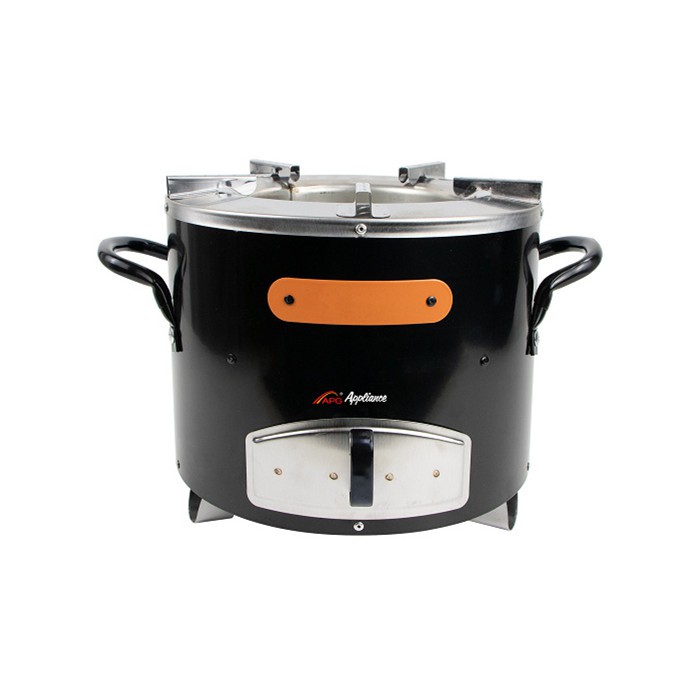
Windproof Wood Stove for Better Airflow Control
If you're looking for a wood burning stove that offers better airflow control and is suitable for various conditions, I recommend checking out our Windproof Wood Stove. This stove is designed with advanced air control systems, allowing you to easily adjust the primary and secondary airflow. Its windproof design ensures stable combustion even in windy conditions.
Contact Us for Purchase and Consultation
If you have any questions about wood burning stoves or need further advice on airflow adjustment, or if you're interested in purchasing a wood burning stove, please don't hesitate to contact us. We're here to provide you with professional guidance and high - quality products. Our team of experts can help you choose the right wood burning stove for your needs and ensure that you get the most out of it.

References
- "The Complete Guide to Wood Burning Stoves" by John Smith
- "Wood Stove Handbook" by Jane Doe
- Various industry standards and guidelines on wood burning stove operation and safety.