

As a supplier of Windproof Wood Stove, I understand the importance of ensuring proper combustion in a windproof wood stove. Not only does it enhance the efficiency of the stove, but it also contributes to a cleaner and more enjoyable heating experience. In this blog post, I will share some key tips and techniques to help you achieve optimal combustion in your windproof wood stove.
Choose the Right Wood
The quality of the wood you use plays a crucial role in the combustion process. Hardwoods such as oak, maple, and hickory are ideal for a windproof wood stove because they burn longer and produce more heat compared to softwoods like pine and spruce. Additionally, make sure the wood is properly seasoned. Seasoned wood has a moisture content of around 20% or less, which allows it to burn more efficiently and produce less creosote, a flammable substance that can build up in the chimney and pose a fire hazard.
To determine if the wood is seasoned, you can look for signs such as cracks at the ends of the logs, a lighter color, and a hollow sound when you tap two pieces together. You can also use a moisture meter to measure the moisture content more accurately.
Prepare the Stove
Before lighting the fire, it's important to prepare the stove properly. Start by cleaning the stove and removing any ashes or debris from the firebox and the chimney. A clean stove allows for better airflow, which is essential for proper combustion. You can use a stove brush to clean the firebox and a chimney brush to clean the chimney.
Next, arrange the firewood in the firebox in a way that allows for good airflow. Place a few small pieces of kindling at the bottom of the firebox, followed by some larger pieces of wood. Leave some space between the logs to allow air to circulate. You can also use a fire starter, such as newspaper or fire starters made specifically for wood stoves, to help ignite the fire.
Control the Airflow
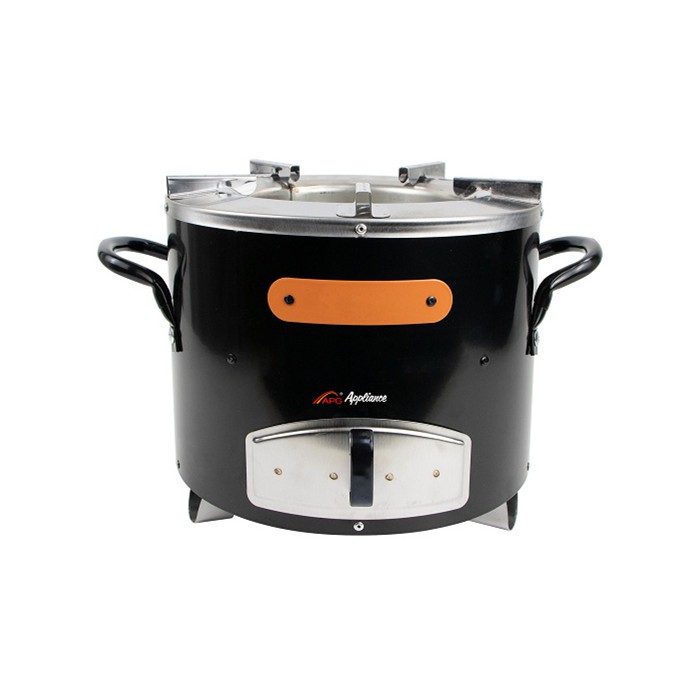
Proper airflow is the key to achieving efficient combustion in a windproof wood stove. Most windproof wood stoves are equipped with air vents that allow you to control the amount of air entering the firebox. There are typically two types of air vents: primary air vents and secondary air vents.
The primary air vents are located at the bottom of the stove and are used to supply air to the fire for ignition and to support the initial burning process. When starting the fire, open the primary air vents fully to allow plenty of air to reach the kindling and the wood. Once the fire is burning steadily, you can adjust the primary air vents to control the rate of combustion. Closing the primary air vents slightly will slow down the burning process and make the fire last longer, while opening them wider will increase the heat output.
The secondary air vents are usually located near the top of the firebox and are used to supply pre-heated air to the combustion chamber. The secondary air helps to burn off the volatile gases and the smoke that are produced during the burning process, resulting in a cleaner and more efficient burn. Make sure to keep the secondary air vents open to allow for proper secondary combustion.

Maintain the Fire
Once the fire is burning, it's important to maintain it properly to ensure continuous and efficient combustion. Check the fire regularly and add more wood as needed. Make sure to add the wood in small increments to avoid smothering the fire. You can also use a poker to rearrange the logs and to break up any large pieces of wood that may be blocking the airflow.
It's also important to keep the fire burning at a consistent temperature. If the fire is too hot, it can cause the wood to burn too quickly and produce more creosote. On the other hand, if the fire is too cold, it may not burn the wood completely and produce more smoke. You can adjust the airflow and the amount of wood you add to the fire to maintain a consistent temperature.
Monitor the Chimney
The chimney plays a vital role in the combustion process by removing the smoke and the gases produced by the fire. A well-functioning chimney ensures proper ventilation and prevents the buildup of harmful gases, such as carbon monoxide, in the room. Make sure to have your chimney inspected and cleaned regularly by a professional chimney sweep. A chimney sweep can check for any blockages, such as creosote buildup or animal nests, and clean the chimney to ensure proper airflow.
You can also monitor the chimney for signs of problems, such as excessive smoke or a strong smell of smoke in the room. If you notice any issues with the chimney, such as a blockage or a leak, it's important to address them immediately to prevent a fire hazard.
Consider the Stove Placement
The placement of the windproof wood stove can also affect the combustion process. Make sure to place the stove in a well-ventilated area away from flammable materials, such as curtains, furniture, and carpets. The stove should be installed on a non-combustible surface, such as a hearth pad or a concrete floor, to prevent the risk of fire.
It's also important to ensure that the chimney is properly installed and that it extends above the roofline. A chimney that is too short or that is not installed correctly can cause problems with the airflow and the ventilation, resulting in poor combustion and increased smoke production.
Conclusion
Ensuring proper combustion in a windproof wood stove is essential for achieving efficient heating and a clean burning experience. By choosing the right wood, preparing the stove properly, controlling the airflow, maintaining the fire, monitoring the chimney, and considering the stove placement, you can optimize the performance of your windproof wood stove and enjoy a warm and cozy home.
If you are interested in purchasing a high-quality windproof wood stove or have any questions about wood stove combustion, please feel free to contact us for more information. We are here to help you find the perfect wood stove for your needs and to provide you with the support and guidance you need to ensure proper combustion.
References
- "Wood Stove Basics: How to Use a Wood Stove Efficiently." EPA.
- "Seasoning Firewood: How to Dry Firewood for Your Wood Stove." The Spruce.
- "Understanding Wood Stove Airflow." Hearth.com.