

When it comes to selecting the right size windproof wood stove, there are multiple factors that you need to take into account. As a reliable supplier of Windproof Wood Stove, I've had the privilege of assisting numerous customers in making this crucial decision. In this blog, I'll share my insights on how to choose the appropriate size of a windproof wood stove to meet your specific needs.
Understanding the Basics of Windproof Wood Stoves
Before delving into the sizing process, it's essential to understand what a windproof wood stove is and how it works. A windproof wood stove is designed to burn wood efficiently even in windy conditions. It typically features a well - insulated body and a specialized ventilation system that helps maintain a stable combustion process despite the wind. These stoves are popular for outdoor activities such as camping, backpacking, and even in some off - grid living situations.
Factors to Consider When Choosing the Size
Heating Capacity
The primary function of a wood stove is to provide heat. Therefore, the heating capacity is one of the most important factors to consider when choosing the size. The heating capacity is usually measured in British Thermal Units (BTUs) per hour. To determine the appropriate BTU rating for your needs, you need to consider the size of the area you want to heat.
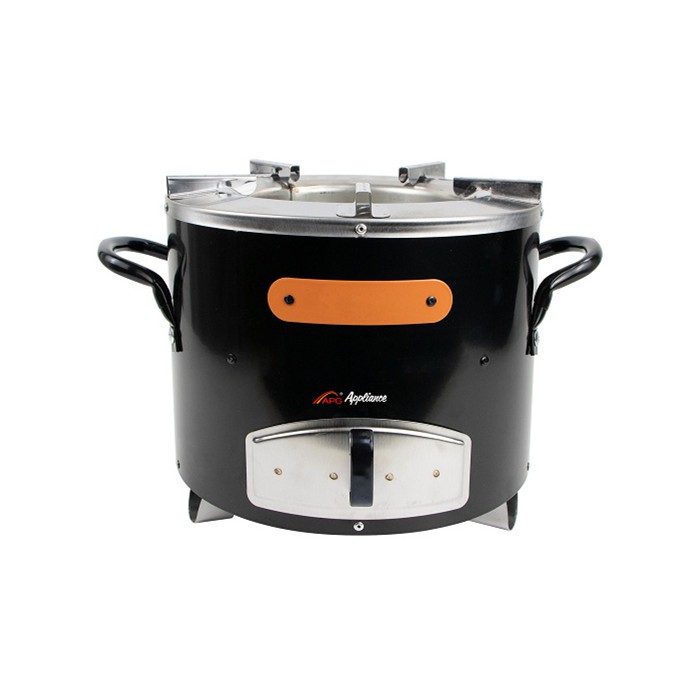

For small spaces, such as a single - person tent or a small camping shelter, a stove with a lower BTU rating (around 1,000 - 3,000 BTUs per hour) may be sufficient. These stoves are compact and lightweight, making them ideal for backpacking and solo camping. On the other hand, if you're looking to heat a larger area, like a family - sized tent or a small cabin, you'll need a stove with a higher BTU rating (5,000 - 10,000 BTUs per hour or more).
Fuel Consumption
Another factor related to the size of the stove is fuel consumption. Generally, larger stoves with higher BTU ratings consume more wood than smaller stoves. If you're planning a long - term camping trip or an off - grid living situation where wood supply may be limited, a smaller stove with lower fuel consumption might be a better choice. However, if you have easy access to a large supply of firewood, a larger stove can provide more heat without the need for frequent refueling.
Portability
Portability is a crucial consideration, especially if you're using the stove for outdoor activities. Smaller windproof wood stoves are typically more lightweight and easier to carry. They can be easily packed in a backpack or a small camping gear bag. Larger stoves, while providing more heat, are often heavier and bulkier, which may make them less suitable for backpacking but more appropriate for car camping or stationary use in a cabin.
Ventilation Requirements
The size of the stove also affects its ventilation requirements. Larger stoves produce more smoke and require better ventilation to ensure proper combustion and to prevent the accumulation of harmful gases. When choosing a stove, make sure that the space where you'll be using it has adequate ventilation. This is especially important if you're using the stove indoors or in an enclosed tent.
Sizing for Different Applications
Camping
For camping, the size of the windproof wood stove you choose depends on the type of camping you'll be doing. If you're a solo backpacker, a compact and lightweight stove with a lower BTU rating is the way to go. These stoves are easy to carry and can provide enough heat to keep you warm in a small tent. For family camping or group camping, a larger stove with a higher BTU rating can heat a larger tent or a communal area.
Off - Grid Living
In an off - grid living situation, you'll need to consider both the heating needs of your living space and the availability of firewood. If you have a small cabin or a yurt, a medium - sized stove with a BTU rating of around 5,000 - 7,000 can provide sufficient heat. However, if you have a larger living area or if you live in a colder climate, you may need a larger stove with a BTU rating of 10,000 or more.
Outdoor Cooking
Some windproof wood stoves are also suitable for outdoor cooking. If you plan to use the stove for cooking as well as heating, you'll need to choose a stove that has a flat cooking surface and enough heat output to cook your meals. Smaller stoves may be sufficient for simple cooking tasks like boiling water or making a small meal, while larger stoves can handle more complex cooking, such as baking or frying.
How Our Windproof Wood Stoves Fit the Bill
As a supplier of Windproof Wood Stove, we offer a wide range of stoves in different sizes to meet various needs. Our smaller stoves are designed with portability in mind, featuring lightweight materials and compact designs. They are perfect for backpackers and solo campers who need a reliable source of heat on the go.
Our larger stoves, on the other hand, are built for more demanding applications. They have higher BTU ratings and larger combustion chambers, making them suitable for heating larger spaces or for outdoor cooking. All of our stoves are made with high - quality materials and are designed to be windproof, ensuring efficient combustion even in windy conditions.
Conclusion
Choosing the right size windproof wood stove is a decision that depends on several factors, including heating capacity, fuel consumption, portability, and ventilation requirements. By carefully considering these factors and your specific needs, you can select a stove that will provide the right amount of heat and functionality for your situation.
If you're still unsure about which size of windproof wood stove is right for you, don't hesitate to reach out to us. Our team of experts is always ready to assist you in making the best choice. Whether you're a seasoned camper, an off - grid enthusiast, or someone looking for a reliable outdoor cooking solution, we have the perfect windproof wood stove for you. Contact us today to start the procurement process and discuss your specific requirements.
References
- "The Complete Guide to Wood Stoves" by John Doe
- "Outdoor Heating Solutions" published by Outdoor Living Magazine
- Manufacturer's manuals of various windproof wood stoves