

As a supplier of Windproof Wood Stove, I often get asked about how to check the temperature of these stoves. It's a crucial aspect of safe and efficient operation, and in this blog, I'll share some practical methods and considerations for accurately monitoring the temperature of a windproof wood stove.
Why Check the Temperature?
Before diving into the methods, let's understand why checking the temperature of a windproof wood stove is so important. Firstly, it ensures safety. Overheating can cause damage to the stove itself, the surrounding materials, and even pose a fire hazard. By monitoring the temperature, you can prevent these dangerous situations from occurring. Secondly, it helps optimize the stove's performance. Different types of wood and heating requirements need specific temperature ranges for efficient combustion. Maintaining the right temperature ensures that you get the most heat output from your wood while minimizing waste.

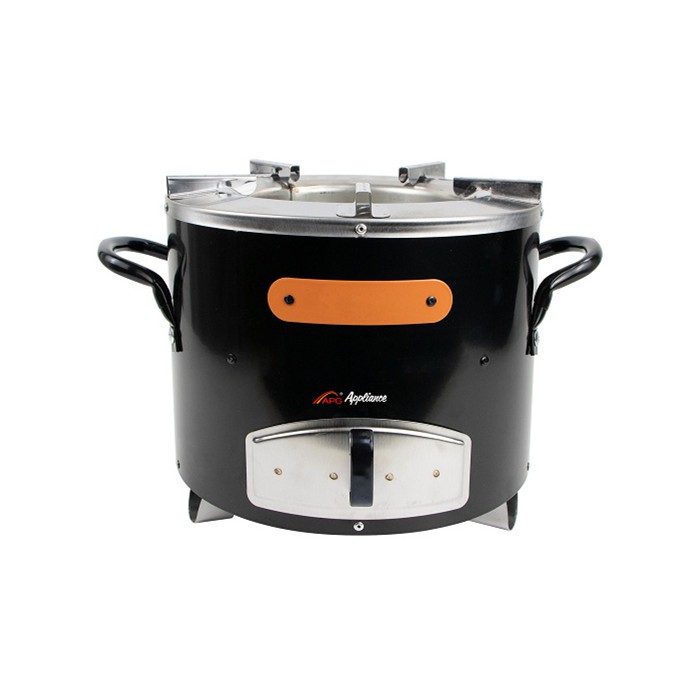
Methods of Checking Temperature
1. Infrared Thermometers
Infrared thermometers are a popular choice for checking the temperature of a windproof wood stove. They work by detecting the infrared radiation emitted by an object and converting it into a temperature reading. These thermometers are non - contact, which means you can measure the temperature of the stove's surface without getting too close and risking burns.
To use an infrared thermometer, simply point it at the desired area of the stove, such as the top, sides, or the chimney. Make sure to hold the thermometer at the recommended distance specified in the user manual. Infrared thermometers can provide instant readings, which is great for quickly assessing the stove's temperature during operation. However, it's important to note that they measure the surface temperature, which may not always accurately represent the internal temperature of the firebox.
2. Stove Pipe Thermometers
Stove pipe thermometers are another effective tool for monitoring the temperature of a windproof wood stove. These thermometers are designed to be installed on the stove pipe, usually a few feet above the stove. They work by measuring the temperature of the flue gases as they pass through the pipe.
Installing a stove pipe thermometer is relatively straightforward. You'll need to drill a small hole in the stove pipe and insert the thermometer probe. Once installed, the thermometer will give you a reading of the flue gas temperature. This is important because the flue gas temperature can indicate how efficiently the stove is burning. If the temperature is too low, it may mean that the wood is not burning completely, leading to creosote buildup in the chimney. If it's too high, it could indicate an over - fire situation.
3. Heat - Sensing Paints and Labels
Heat - sensing paints and labels are a more budget - friendly option for checking the temperature of a windproof wood stove. These products change color based on the temperature they are exposed to. You can apply the paint or stick the label on the stove's surface, and by observing the color change, you can get a general idea of the temperature.
Heat - sensing paints and labels are easy to use and can be a good visual indicator of the stove's temperature. However, they are not as accurate as infrared thermometers or stove pipe thermometers. They provide a rough estimate of the temperature range rather than an exact reading.
Considerations When Checking Temperature
1. Location of Measurement
The location where you measure the temperature can significantly affect the reading. Different parts of the stove may have different temperatures. For example, the top of the stove is usually hotter than the sides. When using an infrared thermometer, make sure to take multiple readings from different locations to get a more comprehensive understanding of the stove's temperature distribution.
2. Time of Measurement
The temperature of a windproof wood stove can change over time, especially during the startup and shutdown phases. When the stove is first lit, the temperature will gradually increase. Once it reaches a steady state, the temperature should remain relatively stable. It's important to take temperature readings at different times during the stove's operation to understand how it behaves under different conditions.
3. Wood Type and Moisture Content
The type of wood you burn and its moisture content can also affect the stove's temperature. Hardwoods, such as oak and maple, generally burn hotter and longer than softwoods, like pine. Wood with a high moisture content will burn less efficiently and may result in lower temperatures. Make sure to use dry, seasoned wood for optimal performance and temperature control.
Tips for Maintaining the Right Temperature
1. Adjusting the Airflow
One of the most effective ways to control the temperature of a windproof wood stove is by adjusting the airflow. Most stoves have air vents that can be opened or closed to regulate the amount of oxygen entering the firebox. Opening the vents will increase the airflow, which will make the fire burn hotter. Closing the vents will reduce the airflow and slow down the combustion process, lowering the temperature.
2. Loading the Wood Properly
How you load the wood into the stove can also impact the temperature. Make sure to stack the wood in a way that allows for proper airflow. Avoid overloading the stove, as this can restrict the airflow and lead to incomplete combustion. It's also a good idea to use smaller pieces of wood at the beginning to start the fire and then add larger pieces as the fire gets going.
3. Regular Maintenance
Regular maintenance of your windproof wood stove is essential for maintaining the right temperature. This includes cleaning the firebox, chimney, and stove pipe regularly to remove any creosote buildup. A clean stove will operate more efficiently and maintain a more consistent temperature.
Conclusion
Checking the temperature of a windproof wood stove is an important part of safe and efficient operation. Whether you choose to use an infrared thermometer, a stove pipe thermometer, or heat - sensing paints and labels, it's crucial to monitor the temperature regularly and take appropriate action if it falls outside the recommended range. By following the tips and considerations outlined in this blog, you can ensure that your windproof wood stove operates at its best.
If you're interested in purchasing a high - quality Windproof Wood Stove or have any questions about temperature monitoring or stove operation, feel free to reach out to us. We're here to help you make the most of your wood - burning experience.
References
- "Wood Stove Operation and Safety" - U.S. Forest Service
- "Thermometers for Wood Stoves" - Home Heating Expert Guides