

Hey there! I'm a supplier of Windproof Wood Stove, and I often get asked about how to adjust the damper on these stoves. It's a pretty important part of getting the most out of your windproof wood stove, so I thought I'd share some tips and tricks with you.
Why Adjust the Damper?
First off, let's talk about why you'd want to adjust the damper in the first place. The damper on a windproof wood stove plays a crucial role in controlling the airflow. By adjusting it, you can regulate how much oxygen gets to the fire. More oxygen means a hotter, faster - burning fire, while less oxygen slows down the burn and makes the fire last longer.
If you're in a hurry to heat up a room quickly, you'll want to open the damper wide. This allows a large amount of air to reach the fire, causing it to burn more vigorously and generate more heat in a short amount of time. On the other hand, if you're going to be away for a while or just want a slow, steady burn to keep the room warm throughout the night, closing the damper part - way or even mostly shut is the way to go.
Types of Dampers
Before we get into the adjustment process, it's important to know that there are different types of dampers on windproof wood stoves.
Flue Dampers
Flue dampers are usually located in the flue pipe that connects the stove to the chimney. They're often a round or square plate that can be opened or closed to control the flow of smoke and air out of the stove. Some flue dampers are operated by a lever on the outside of the flue pipe, while others might be adjusted using a chain or a cable.
Air Inlet Dampers
Air inlet dampers are found on the front or side of the stove. These are responsible for controlling the amount of fresh air that enters the stove to feed the fire. They can be in the form of sliding doors, adjustable vents, or rotating knobs.
Adjusting the Flue Damper
Let's start with the flue damper. If your stove has a lever - operated flue damper, it's usually pretty straightforward.
- Opening the Damper: To open the damper, simply move the lever to the "open" position. This is often indicated by an arrow or a label on the stove. When the damper is fully open, it allows maximum airflow up the chimney. This is great for starting a new fire or when you want a really hot, fast - burning fire. For example, if you've just loaded a fresh batch of wood into the stove and want to get it going quickly, open the flue damper all the way.
- Closing the Damper: To close the damper, move the lever in the opposite direction. As you close the damper, the airflow is restricted. You'll notice that the fire will start to burn more slowly. You don't want to close it completely, though, because you still need some airflow to carry the smoke out of the stove. A good rule of thumb is to close it about three - quarters of the way if you want a slow, long - lasting burn.
If your flue damper is operated by a chain or cable, the process is similar. Pulling the chain or cable usually opens the damper, and letting it go or pushing it in closes it. Just make sure to do it gradually and pay attention to how the fire responds.
Adjusting the Air Inlet Damper
Now, let's talk about the air inlet damper.
- Sliding Door Air Inlet Dampers: If your stove has a sliding door air inlet damper, you can simply slide the door open or closed. To increase the airflow, slide the door open further. This will allow more fresh air to enter the stove and make the fire burn hotter. To slow down the burn, slide the door partially or mostly closed.
- Adjustable Vents: Some stoves have adjustable vents as air inlet dampers. These vents can be turned or adjusted to change the size of the opening. Turning the vent counter - clockwise usually opens it wider, while turning it clockwise closes it. You can experiment with different settings to find the right balance for your fire.
- Rotating Knobs: For stoves with rotating knobs as air inlet dampers, turning the knob in one direction opens the damper, and turning it in the other direction closes it. Again, start with the damper open when starting a new fire and then adjust it as needed to control the burn rate.
Tips for Adjusting the Damper
- Start with a Hot Fire: When you're first adjusting the damper, it's best to start with a hot, well - established fire. This will make it easier to see how the fire responds to the changes in airflow.
- Make Small Adjustments: Don't make big, sudden changes to the damper settings. Instead, make small adjustments and wait a few minutes to see how the fire reacts. This will help you fine - tune the settings for the best results.
- Monitor the Fire: Keep an eye on the fire as you adjust the damper. Look at the flames and the amount of heat being generated. If the fire starts to die out or the flames become too small, you may need to open the damper a little more. If the fire is too hot and burning too quickly, close the damper slightly.
Troubleshooting Damper Issues
Sometimes, you might run into problems with the damper. Here are some common issues and how to fix them.
Stuck Damper
If the damper is stuck, it could be due to dirt, debris, or rust. First, try to clean the damper and the area around it. Use a wire brush to remove any dirt or rust. If it's still stuck, you may need to lubricate the moving parts. A little bit of graphite powder or a high - temperature lubricant can often do the trick.
Leaking Damper
A leaking damper can cause heat loss and poor performance. Check for any gaps or cracks around the damper. You can use a high - temperature sealant to fill in any small gaps. If the damper is severely damaged, you may need to replace it.
Conclusion
Adjusting the damper on a windproof wood stove is an important skill that can help you get the most out of your stove. Whether you're looking for a quick, hot fire or a slow, long - lasting burn, knowing how to control the airflow is key.
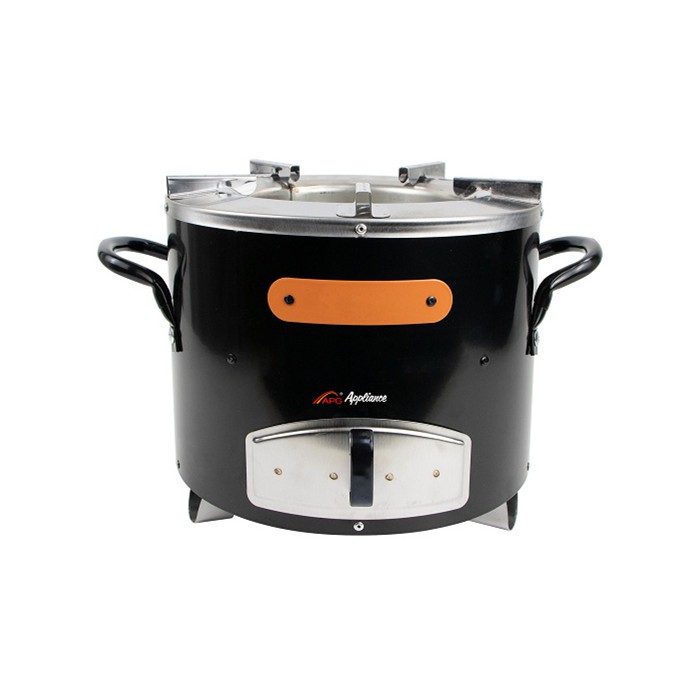

If you're in the market for a high - quality windproof wood stove or have any questions about damper adjustment or our products, don't hesitate to reach out. We're here to help you make the most of your wood - burning experience. Contact us for more information and to start a procurement discussion.
References
- "The Complete Guide to Wood Stove Operation" - A comprehensive guide on wood stove usage and maintenance.
- Manufacturer's manuals for windproof wood stoves.