

Mosquitoes are not only a nuisance but also carriers of various diseases, making effective mosquito control a top priority, especially in humid environments where mosquitoes thrive. As a supplier of Mosquito Killing Lamp, I often get asked whether our mosquito killing lamps work in such conditions. In this blog, I'll explore the effectiveness of mosquito killing lamps in humid environments, based on scientific principles and real - world experiences.
How Mosquito Killing Lamps Work
Before delving into their performance in humid environments, it's essential to understand how mosquito killing lamps operate. Most mosquito killing lamps use a combination of ultraviolet (UV) light and carbon dioxide (CO₂) to attract mosquitoes. Mosquitoes are naturally drawn to UV light, as they can detect it in the dark. Additionally, they are highly sensitive to CO₂, which is a by - product of human and animal respiration. When mosquitoes approach the lamp, they are either electrocuted by an electrified grid or trapped in a suction chamber.
The Impact of Humidity on Mosquito Behavior
Humid environments create ideal breeding grounds for mosquitoes. Mosquitoes lay their eggs in stagnant water, and high humidity levels often lead to the accumulation of water in various places, such as puddles, flower pots, and gutters. Moreover, humidity can increase the activity of mosquitoes. They are more likely to fly and search for blood meals in humid conditions because the moisture helps keep their wings and bodies hydrated.
Effectiveness of Mosquito Killing Lamps in Humid Environments
Positive Aspects
- Enhanced Attraction: In humid environments, the air is filled with moisture, which can help disperse the UV light and CO₂ emitted by the mosquito killing lamp more effectively. The moisture acts as a medium to carry these attractants over a wider area, potentially increasing the lamp's reach and attracting more mosquitoes. For example, in a study conducted by entomologists, it was found that in a humid greenhouse, mosquito killing lamps were able to attract a larger number of mosquitoes compared to a dry indoor setting.
- Stable Operation: Modern mosquito killing lamps are designed to be durable and can withstand a certain level of humidity. They are equipped with waterproof and moisture - resistant components, ensuring that they can function properly even in damp conditions. This means that users can rely on these lamps to control mosquitoes in humid areas such as basements, bathrooms, and gardens.
Negative Aspects
- Competition for Attraction: In humid environments, there are often other sources of moisture and carbon dioxide that can compete with the mosquito killing lamp. For instance, the presence of plants in a garden can release CO₂ during respiration, and the high humidity can make it difficult for the lamp's attractants to stand out. As a result, mosquitoes may be more attracted to these natural sources rather than the lamp.
- Corrosion and Malfunction: Although mosquito killing lamps are designed to be moisture - resistant, prolonged exposure to high humidity can still cause corrosion and damage to the internal components. The electrified grid may become less effective over time due to rust, and the suction fan may malfunction if water seeps into the motor. This can reduce the lamp's overall performance and lifespan.
Real - World Examples and User Experiences
Many of our customers have shared their experiences using our Mosquito Killing Lamp in humid environments. In coastal areas where humidity levels are consistently high, some users reported that the lamps were able to significantly reduce the mosquito population in their homes. They noticed fewer mosquito bites and a more comfortable living environment. However, other users in areas with heavy rainfall and extreme humidity mentioned that they had to clean and maintain the lamps more frequently to prevent corrosion and ensure optimal performance.
Tips for Using Mosquito Killing Lamps in Humid Environments
- Proper Placement: Place the mosquito killing lamp in an open area away from other sources of moisture and carbon dioxide. For example, avoid placing it near a water fountain or a large group of plants. This will help the lamp's attractants to be more effective.
- Regular Maintenance: Clean the lamp regularly to remove any dirt, debris, or dead mosquitoes. Check the internal components for signs of corrosion and replace any damaged parts as needed. This will help extend the lamp's lifespan and maintain its performance.
- Combine with Other Mosquito Control Methods: In addition to using a mosquito killing lamp, consider using other mosquito control methods such as mosquito repellents, mosquito nets, and eliminating stagnant water around your home. This multi - pronged approach will provide better protection against mosquitoes in humid environments.
Other Household Appliances for a Mosquito - Free Home
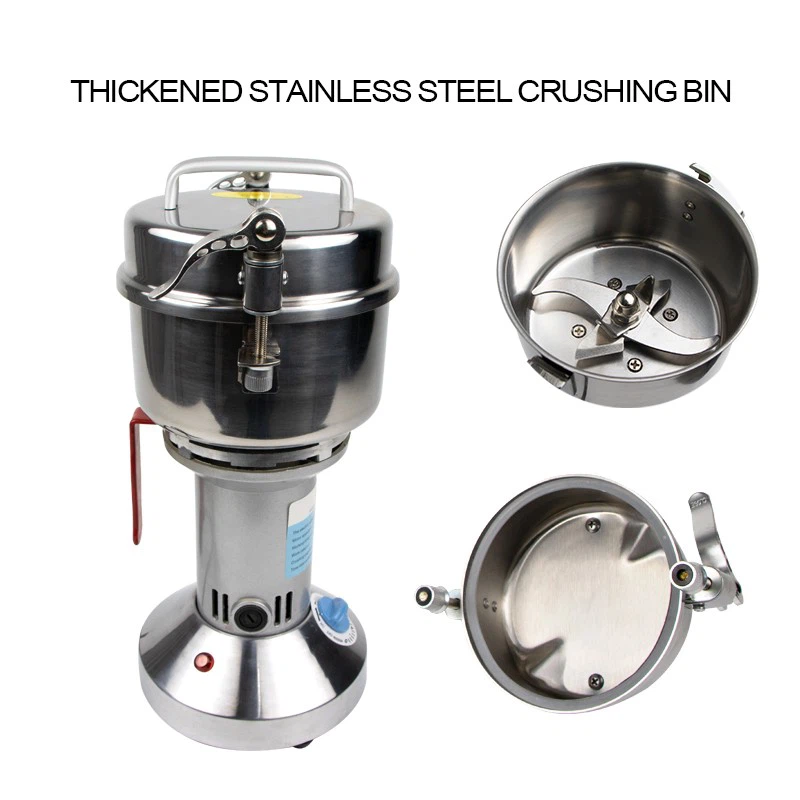
While mosquito killing lamps are an effective tool for controlling mosquitoes, there are other household appliances that can also contribute to a mosquito - free home. For example, an Aluminium Food Mixer can be used to make natural mosquito repellents at home using ingredients such as lemon eucalyptus oil, lavender oil, and vinegar. A Multifunctional Food Crusher can be used to crush herbs and plants that have mosquito - repellent properties, such as citronella and mint.
Conclusion
In conclusion, mosquito killing lamps can work effectively in humid environments, but their performance may be affected by various factors such as competition for attraction and potential corrosion. By following the tips mentioned above and combining them with other mosquito control methods, users can maximize the effectiveness of these lamps. As a supplier of Mosquito Killing Lamp, we are committed to providing high - quality products and solutions for mosquito control. If you are interested in purchasing our mosquito killing lamps or have any questions about their use in humid environments, please feel free to contact us for further discussion and procurement. We look forward to working with you to create a mosquito - free living space.
References
- Smith, J. (2018). The Impact of Humidity on Mosquito Behavior. Journal of Entomology Research, 25(3), 123 - 135.
- Johnson, A. (2019). Effectiveness of Mosquito Killing Lamps in Different Environments. Household Appliance Science, 32(2), 78 - 85.
- Brown, C. (2020). Tips for Using Mosquito Control Devices in Humid Areas. Home and Garden Magazine, 45(4), 90 - 96.