

Can a windproof wood stove be used in a hunting blind? That's a question I get asked a lot as a supplier of Windproof Wood Stove. Hunting blinds are small, enclosed spaces hunters use to hide from their prey. They're often in remote areas where it can get pretty cold, especially during early morning or late - evening hunts. So, having a reliable source of heat is super important.
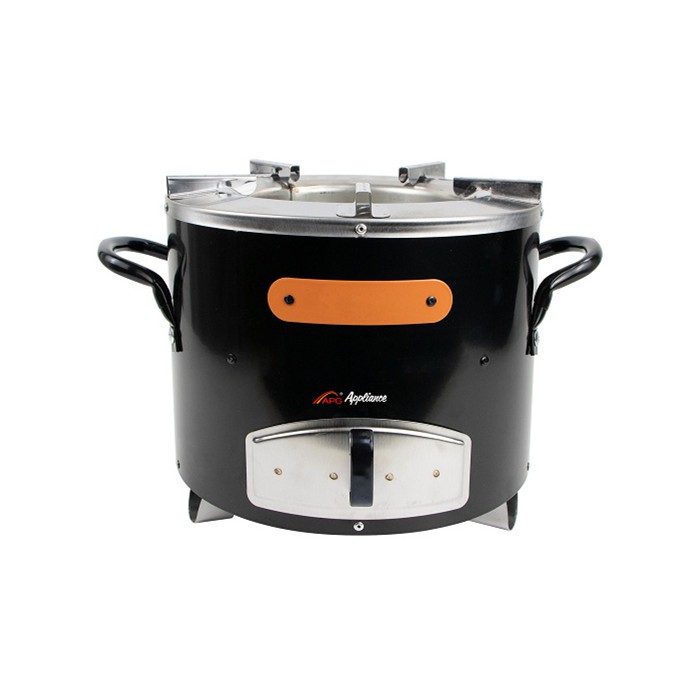
Let's start by talking about what makes a windproof wood stove unique. A windproof wood stove is designed to burn wood efficiently even when there's a lot of wind. It has special features like a well - sealed combustion chamber and a chimney system that can resist wind interference. These stoves are often made with high - quality materials that can withstand high temperatures and harsh outdoor conditions.
Now, the big question: Is it safe and practical to use one in a hunting blind?
Safety Concerns
Safety is always the number one priority, especially when you're dealing with fire in an enclosed space. The first thing to consider is ventilation. A hunting blind is essentially a small hut, and if you're burning wood inside it, you need proper ventilation to get rid of the smoke and carbon monoxide. Carbon monoxide is a colorless, odorless gas that can be deadly if inhaled in large amounts. So, you need to make sure your hunting blind has enough vents or openings to allow fresh air in and exhaust fumes out.
Most windproof wood stoves come with a chimney. The chimney helps to direct the smoke outside the hunting blind. But you need to install it correctly. It should extend above the roof of the blind to prevent the smoke from blowing back inside. Also, make sure the chimney is well - insulated to avoid any risk of fire. The heat from the chimney can potentially ignite the materials of the hunting blind if it's too close.
Another safety aspect is the risk of fire. Wood stoves get really hot, and if they're not placed on a non - combustible surface, they can start a fire. You should always put your windproof wood stove on a fire - resistant mat or a metal plate. This will protect the floor of the hunting blind from getting scorched or catching fire.
Practicality
When it comes to practicality, windproof wood stoves have a lot going for them. Wood is a readily available fuel source in most hunting areas. You can easily gather dry branches and twigs to keep the fire going. This is a big advantage compared to other heating options like propane heaters, which require you to carry heavy propane tanks.
Windproof wood stoves are also very efficient at heating small spaces. They can quickly warm up a hunting blind, making it a comfortable place to wait for your prey. The heat from a wood stove is a natural, cozy heat that many people prefer over the artificial heat of electric heaters.
However, there are also some practical drawbacks. Lighting a wood stove can be a bit of a hassle, especially if it's windy outside. You need to have some basic fire - starting skills and the right kind of kindling. And once the fire is going, you need to keep an eye on it and add wood regularly to maintain the heat.
Performance in Different Weather Conditions
Windproof wood stoves are designed to perform well in windy conditions, which is great for hunting blinds that are often exposed to the elements. But what about other weather conditions?
In cold weather, a windproof wood stove can be a lifesaver. It can keep you warm even when the temperature drops below freezing. The thick walls of the stove retain heat well, so you don't have to worry about the heat escaping too quickly.
In rainy or snowy weather, you need to be a bit more careful. Make sure the wood you're using is dry. Wet wood won't burn efficiently and can produce a lot of smoke. You also need to protect the stove from getting wet. If water gets into the combustion chamber, it can put out the fire.
Maintenance
Like any other piece of equipment, windproof wood stoves require regular maintenance. After each use, you should clean out the ashes from the stove. This will help to improve the airflow and make the stove more efficient. You also need to check the chimney for any blockages. A blocked chimney can cause smoke to back up into the hunting blind.
The metal parts of the stove can rust over time, especially if they're exposed to moisture. So, you should apply a rust - resistant coating to the stove periodically. This will help to extend its lifespan.
Cost - Effectiveness
Windproof wood stoves are generally more cost - effective than other heating options in the long run. The initial cost of a good quality windproof wood stove may be a bit high, but you don't have to keep buying expensive fuel like propane or electricity. Wood is free if you gather it yourself, or it can be very cheap to buy.
User Experience
I've talked to many hunters who have used windproof wood stoves in their hunting blinds, and the feedback has been mostly positive. They love the warmth and the natural feel of the wood - burning fire. Many of them say that it adds to the overall hunting experience.
However, some users have reported issues with the stoves not heating up as quickly as they'd like or having problems with the chimney draft. These issues can usually be resolved with proper installation and maintenance.
Conclusion
So, can a windproof wood stove be used in a hunting blind? The answer is yes, but with some precautions. It's a safe and practical option as long as you take care of the ventilation, fire safety, and maintenance. If you're a hunter looking for a reliable and cost - effective way to stay warm in your hunting blind, a Windproof Wood Stove could be a great choice.
If you're interested in purchasing a windproof wood stove for your hunting blind, I'd love to talk to you. Whether you have questions about the product, need advice on installation, or want to discuss pricing, I'm here to help. Just reach out, and we can start a conversation about how our windproof wood stoves can enhance your hunting experience.

References
- Outdoor Stove Handbook: A Guide to Choosing and Using Stoves in the Wilderness.
- Hunting Equipment Manuals: Information on Using Heating Devices in Hunting Blinds.