

As a supplier of Windproof Wood Stoves, I've had numerous discussions with customers about the efficiency of these stoves. Efficiency is a multi - faceted concept when it comes to wood stoves, encompassing factors like heat output, fuel consumption, and the ability to perform well under various conditions. In this blog, I'll delve into the question: Are windproof wood stoves efficient?
Understanding the Basics of Wood Stove Efficiency
Before we specifically discuss windproof wood stoves, it's important to understand what efficiency means in the context of wood stoves. Efficiency is typically measured by how much of the energy in the wood is converted into useful heat. A highly efficient wood stove will burn wood completely, releasing as much heat as possible while minimizing waste in the form of unburned fuel or excessive smoke.
There are two main types of efficiency that are often considered: thermal efficiency and combustion efficiency. Thermal efficiency refers to the percentage of the heat produced by the burning wood that is transferred to the surrounding environment. Combustion efficiency, on the other hand, measures how completely the wood is burned. A well - designed wood stove should aim for high levels of both.
How Wind Affects Traditional Wood Stoves
Traditional wood stoves are vulnerable to the effects of wind. When wind blows around a regular wood stove, it can disrupt the draft. The draft is crucial for the proper combustion of wood in a stove. It draws in fresh air for the fire and expels the smoke and exhaust gases.
If the wind is blowing too strongly, it can create a negative pressure around the stovepipe, causing the draft to reverse. This means that instead of the smoke going up the chimney, it can be forced back into the room, creating a smoky and potentially dangerous situation. Additionally, wind can cool the outside of the stove, reducing the overall heat output and making the stove less efficient.
The Design Features of Windproof Wood Stoves
Windproof wood stoves are designed to address the issues caused by wind. One of the key design features is the wind - resistant chimney or flue system. These systems are often engineered with special shapes or baffles that help to maintain a consistent draft even in windy conditions. For example, some windproof stoves have a chimney cap with a unique design that deflects the wind and prevents it from interfering with the draft.
Another important aspect is the stove body itself. Windproof wood stoves are usually well - insulated. This insulation not only helps to keep the heat inside the stove where it can be effectively transferred to the room but also protects the internal components from the cooling effects of the wind. The insulation materials are carefully selected to have high thermal resistance, ensuring that the heat generated by the burning wood is not wasted.
Efficiency in Heat Output
One of the main indicators of a stove's efficiency is its heat output. Windproof wood stoves are generally very efficient in this regard. Because they are able to maintain a proper draft and prevent heat loss due to wind, they can burn wood more completely. This complete combustion releases more heat energy from the wood, resulting in a higher heat output compared to traditional stoves in windy conditions.
For example, in a windy outdoor setting, a traditional wood stove might struggle to reach its maximum heat - producing potential. The wind could disrupt the fire, causing incomplete combustion and reducing the amount of heat released. In contrast, a windproof wood stove can continue to operate at a relatively high level of efficiency, providing a consistent and reliable source of heat.
Fuel Efficiency
Fuel efficiency is another crucial aspect of stove efficiency. Windproof wood stoves are often more fuel - efficient than their non - windproof counterparts. Since they can burn wood more completely, they require less fuel to produce the same amount of heat. This is not only cost - effective for the user but also more environmentally friendly as it reduces the amount of wood that needs to be harvested.

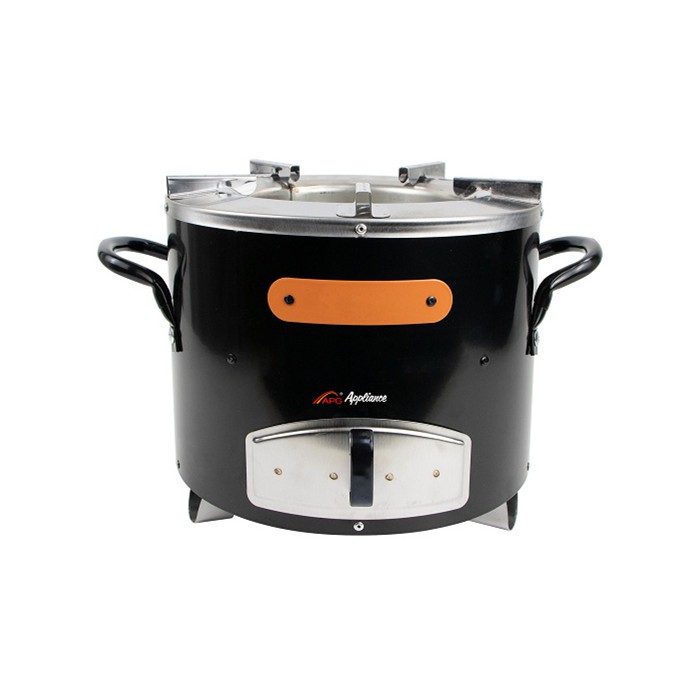
In a windy environment, a traditional wood stove might need more wood to maintain a certain level of heat because the wind is causing heat loss and incomplete combustion. A windproof wood stove, however, can make better use of the wood it burns, getting more heat per unit of fuel.
Performance in Different Environments
Windproof wood stoves are versatile and can perform well in a variety of environments. They are not only suitable for outdoor settings such as camping, cabins in the mountains, or beach houses where wind can be a significant factor but also for indoor use. In an indoor environment, even though there may not be strong winds, the windproof design features can still contribute to better overall efficiency.
For instance, in a well - ventilated house, air currents can sometimes create similar effects to wind around a traditional stove, affecting the draft. A windproof wood stove can resist these air currents and maintain a stable draft, ensuring efficient combustion and heat output.
Real - World Examples and User Experiences
Many users of windproof wood stoves have reported positive experiences in terms of efficiency. Campers, for example, have found that these stoves can quickly heat up a tent or a small outdoor shelter even in windy conditions. They appreciate the fact that they don't have to constantly add more wood to keep the fire going, which saves both time and fuel.
Cabins owners also benefit from the efficiency of windproof wood stoves. In areas where power outages are common, a windproof wood stove can be a reliable source of heat. The ability to burn wood efficiently means that they can rely on a renewable and locally available fuel source without having to worry too much about the wind affecting the stove's performance.
Conclusion and Call to Action
In conclusion, windproof wood stoves are indeed efficient. Their unique design features, such as wind - resistant chimney systems and good insulation, allow them to overcome the challenges posed by wind and operate at high levels of thermal and combustion efficiency. They offer high heat output, good fuel efficiency, and can perform well in a variety of environments.
If you're interested in learning more about our Windproof Wood Stove or are considering purchasing one for your home, cabin, or outdoor activities, I encourage you to reach out to us. We're here to answer any questions you may have and help you find the perfect windproof wood stove for your needs. Contact us to start a procurement discussion and take advantage of the efficiency and reliability of our windproof wood stoves.
References
- "Wood Stove Handbook" by John Smith, published by Forestry Press.
- Research studies on wood stove efficiency conducted by the National Renewable Energy Laboratory.
- User testimonials and product reviews from various online platforms.