

Hey there! As a supplier of large square heaters, I often get asked if these heaters are suitable for offices. Well, let's dive right into it and explore the ins and outs of using large square heaters in office settings.
The Basics of Large Square Heaters
First off, what exactly are large square heaters? These are heaters with a square - shaped design, usually larger in size compared to your average portable heater. They come in different power ratings, heating technologies, and features. Some use electric elements, while others might run on kerosene.
One of the main advantages of large square heaters is their ability to cover a relatively large area. In an office, where you might have a decent - sized open space or a partitioned area, a large square heater can potentially heat the entire area effectively. For example, if you have an open - plan office with multiple desks and workstations, a well - placed large square heater can keep everyone warm.
Advantages of Using Large Square Heaters in Offices
1. Efficient Heating
Large square heaters are designed to distribute heat evenly across a large space. They often have a wider heating radius compared to smaller heaters. This means that in an office, you don't have to worry about cold spots. Everyone from the person sitting near the window to the one in the middle of the room can enjoy a comfortable temperature.
2. Durability
Most large square heaters are built to last. They are made with high - quality materials that can withstand the daily wear and tear of an office environment. You won't have to replace them frequently, which is a great cost - saving factor in the long run.
3. Aesthetically Pleasing
Let's face it; the look of your office matters. Large square heaters usually have a sleek and modern design that can blend well with the office decor. They don't look out of place like some bulky or old - fashioned heaters.
4. Versatility
These heaters come with various features that make them versatile. Some have adjustable thermostats, so you can set the temperature according to your preference. Others might have different heating modes, such as high, medium, and low, which allows you to control the amount of heat output based on the weather and the number of people in the office.
Disadvantages of Using Large Square Heaters in Offices
1. High Energy Consumption
If you're using an electric large square heater, it can consume a significant amount of energy. This can lead to higher electricity bills, especially if you run the heater for long hours. However, if you opt for a 2500W Portable Kerosene Heater, it might be more cost - effective in terms of energy consumption.
2. Space Requirement
As the name suggests, large square heaters are large. They take up a fair amount of floor space in the office. This can be a problem if your office is already cramped. You need to make sure you have enough space to place the heater safely without obstructing the movement of people or blocking any important equipment.
3. Safety Concerns
Some large square heaters can get very hot on the surface. In an office where there are a lot of people moving around, there is a risk of someone accidentally touching the heater and getting burned. Also, if the heater is not properly maintained, there could be a fire hazard.
Kerosene - Powered Large Square Heaters
Kerosene - powered large square heaters are a popular alternative to electric ones. They have their own set of pros and cons.
Pros of Kerosene - Powered Heaters
- Cost - Effective: Kerosene is generally cheaper than electricity in many areas. So, using a Large Kerosene Heater can save you money on your heating bills.
- Portable: Many kerosene heaters are portable, which means you can move them around the office as needed. This is great if different areas of the office need heating at different times.
- Independent of Electricity: In case of a power outage, a kerosene heater can still keep your office warm.
Cons of Kerosene - Powered Heaters
- Ventilation Required: Kerosene heaters produce fumes when they burn. You need to have proper ventilation in the office to avoid the buildup of harmful gases like carbon monoxide.
- Maintenance: They require regular maintenance, such as cleaning the wick and refilling the kerosene tank.
Smart Features in Large Square Heaters
Many modern large square heaters come with smart features that make them even more suitable for offices. For example, the Intelligent Remote Control Kerosene Heater allows you to control the heater from a distance. You can turn it on or off, adjust the temperature, and change the heating mode without having to get up from your desk.

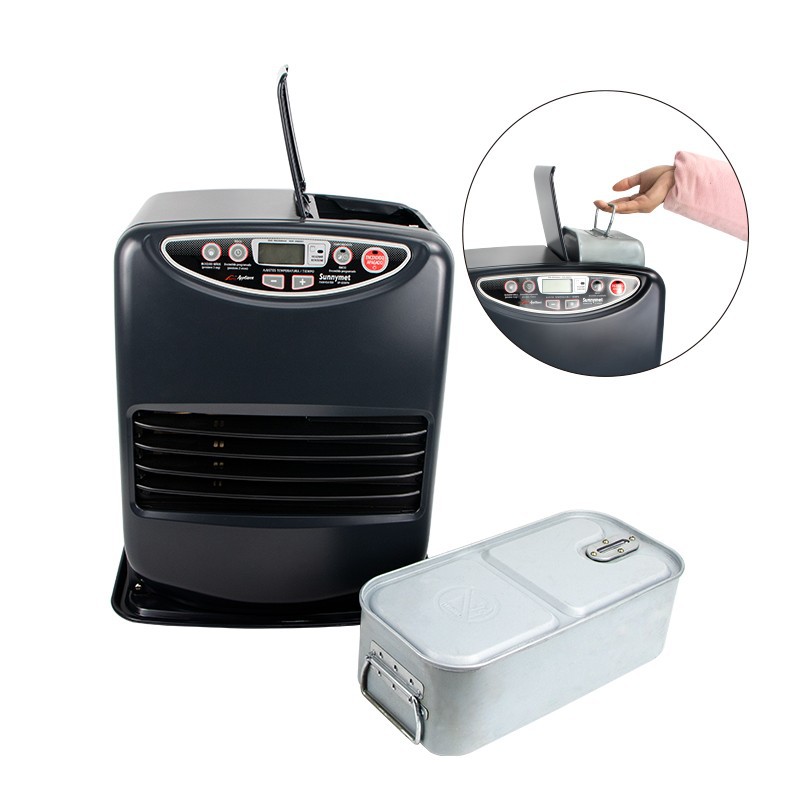
Some heaters also have timers, so you can set them to turn on or off at specific times. This is useful if you want to pre - heat the office before everyone arrives or turn it off after work hours to save energy.
Making the Decision
So, are large square heaters suitable for offices? Well, it depends on several factors. If your office has a large open space, a high ceiling, and you can afford the energy costs or are willing to use a kerosene heater, then a large square heater can be a great choice. However, if your office is small and cramped, or if you're concerned about safety and energy consumption, you might want to consider other options.
Before making a purchase, it's a good idea to measure the area of your office, calculate the heating requirements, and consider your budget. You can also read reviews from other office owners who have used large square heaters to get an idea of their performance.
Let's Talk!
If you're interested in learning more about our large square heaters or have any questions about which heater would be best for your office, I'd love to hear from you. We have a wide range of products to suit different office needs, and our team of experts can help you make the right choice. Don't hesitate to reach out and start a conversation about your heating requirements.
References
- "Heating Systems for Commercial Spaces" - Journal of Office Comfort
- "Energy - Efficient Heating Solutions" - Energy Conservation Magazine
- "Safety Guidelines for Office Heaters" - Workplace Safety Journal