

Are large square heaters compatible with different electrical systems?
As a supplier of large square heaters, I often encounter inquiries from customers regarding the compatibility of our products with various electrical systems. This is a crucial concern, as ensuring that a heater functions safely and efficiently within a given electrical setup is paramount. In this blog post, I'll delve into the factors that determine the compatibility of large square heaters with different electrical systems, providing you with the information you need to make an informed decision.
Understanding Electrical System Basics
Before discussing compatibility, it's essential to understand the fundamentals of electrical systems. Electrical systems vary worldwide, primarily in terms of voltage and frequency. The standard voltage in many countries is either 110 - 120 volts (commonly used in North America) or 220 - 240 volts (used in most other parts of the world). Frequency, typically measured in Hertz (Hz), is either 50 Hz or 60 Hz, depending on the region.
Large square heaters, like all electrical appliances, are designed to operate within specific voltage and frequency ranges. These specifications are usually indicated on the product label or in the user manual. For instance, a heater might be labeled as "110 - 120V, 60Hz," which means it is designed to work with a voltage between 110 and 120 volts and a frequency of 60 Hz.
Voltage Compatibility
Voltage compatibility is one of the most critical factors when it comes to using a large square heater with different electrical systems. Using a heater with an incorrect voltage can lead to several issues, including reduced performance, overheating, and even damage to the heater or the electrical system.
If a heater designed for 110 - 120V is plugged into a 220 - 240V electrical system without a voltage converter, it will likely overheat and may be permanently damaged. Conversely, a heater designed for 220 - 240V may not produce enough heat when connected to a 110 - 120V system.

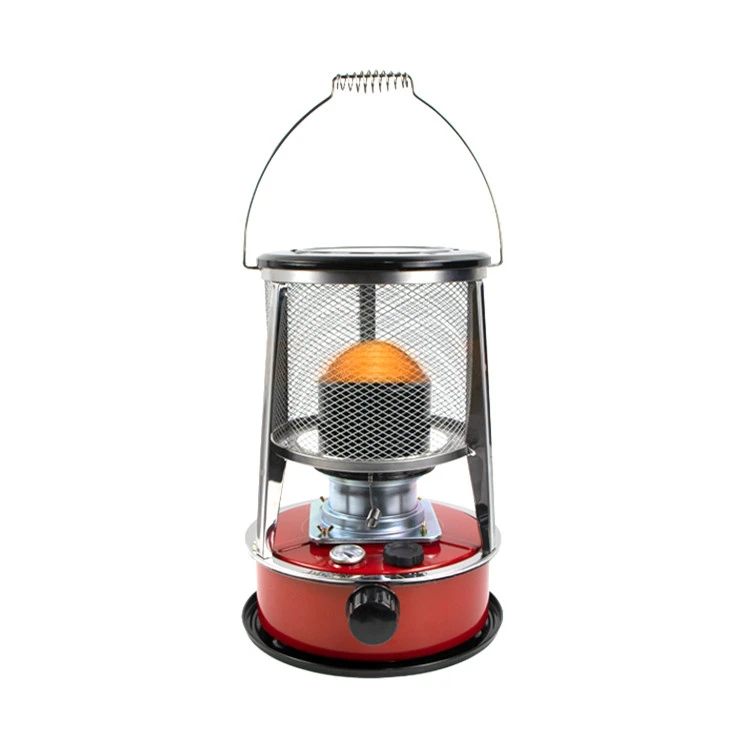
To ensure voltage compatibility, it's crucial to check the voltage requirements of the heater and compare them with the voltage available in your area. If you're using a heater in a country with a different voltage standard, you may need to use a voltage converter. However, it's important to note that not all heaters are suitable for use with voltage converters. Some heaters, especially those with complex electronic controls, may not function correctly or may be damaged when used with a converter.
Frequency Compatibility
Frequency compatibility is another factor to consider, although it is generally less critical than voltage compatibility. Most large square heaters are designed to operate within a range of frequencies, typically 50 - 60 Hz. This means that they can usually be used in countries with either 50 Hz or 60 Hz electrical systems without any issues.
However, some heaters with specific electronic components, such as certain types of motors or timers, may be more sensitive to frequency variations. In these cases, using a heater with an incorrect frequency may cause the components to malfunction or reduce the overall performance of the heater.
Other Considerations
In addition to voltage and frequency compatibility, there are other factors to consider when using a large square heater with different electrical systems. These include the electrical outlet type, the amperage rating of the circuit, and the presence of any special electrical requirements or safety features.
Electrical outlet types vary from country to country, so it's important to ensure that the heater's plug is compatible with the outlets in your area. You may need to use an adapter to make the connection.
The amperage rating of the circuit is also important. A large square heater typically draws a significant amount of current, so it's crucial to ensure that the circuit can handle the load. Overloading a circuit can lead to tripped breakers, overheating, and even electrical fires.
Finally, some electrical systems may have special requirements or safety features, such as grounding or surge protection. It's important to ensure that the heater is compatible with these requirements and that all necessary safety precautions are taken.
Our Large Square Heaters
At our company, we offer a range of large square heaters that are designed to be compatible with different electrical systems. Our heaters are available in various voltage and frequency options, allowing you to choose the model that best suits your needs.
We also provide detailed product information and support to help you ensure that your heater is used safely and effectively. If you have any questions about the compatibility of our heaters with your electrical system, our team of experts is always available to assist you.
In addition to our standard large square heaters, we also offer a selection of related products, such as Large Kerosene Heater, 2500W Portable Kerosene Heater, and Intelligent Remote Control Kerosene Heater. These heaters provide alternative heating solutions and may be suitable for different applications and environments.
Conclusion
In conclusion, the compatibility of large square heaters with different electrical systems depends on several factors, including voltage, frequency, outlet type, circuit amperage, and special electrical requirements. By understanding these factors and taking the necessary precautions, you can ensure that your heater functions safely and efficiently in any electrical environment.
If you're in the market for a large square heater or have any questions about our products, we encourage you to contact us for more information. Our team is dedicated to providing you with the best heating solutions and ensuring your satisfaction. Whether you're looking for a heater for your home, office, or industrial facility, we have the expertise and products to meet your needs. Let's start a conversation about your heating requirements and find the perfect solution for you.
References
- Electrical Safety Foundation International. (n.d.). Electrical Basics. Retrieved from [Website URL]
- Underwriters Laboratories. (n.d.). Understanding Electrical Ratings. Retrieved from [Website URL]