

Lighting a wood burning stove without kindling might seem like a daunting task, but with the right techniques and a bit of know - how, it can be accomplished efficiently. As a supplier of high - quality wood burning stoves, I've seen firsthand the challenges and questions that customers face when it comes to operating these stoves. In this blog, I'll share some effective methods to light your wood burning stove without the use of traditional kindling.
Understanding the Basics of Wood Combustion
Before we dive into the methods of lighting a wood burning stove without kindling, it's important to understand the basic principles of wood combustion. Wood needs three things to burn: heat, oxygen, and fuel. When lighting a fire, we typically start with small pieces of kindling because they catch fire easily and provide the initial heat needed to ignite larger pieces of wood. However, when we don't have kindling on hand, we need to find alternative ways to generate that initial heat.
Method 1: Using Newspaper and Cardboard
Newspaper and cardboard are readily available materials that can serve as a substitute for kindling. They are highly flammable and can generate enough heat to start a fire in your wood burning stove.
First, crumple up several sheets of newspaper into loose balls. You can also cut cardboard into small strips or squares. Place the crumpled newspaper balls at the bottom of the stove grate. Arrange the cardboard pieces on top of the newspaper in a way that allows air to circulate around them.
Next, stack your larger pieces of wood on top of the newspaper and cardboard. Make sure to leave some space between the wood pieces for air to flow. Use a long - reach lighter or a match to light the newspaper at multiple points. As the newspaper and cardboard burn, they will generate enough heat to gradually ignite the larger pieces of wood.
Method 2: The Fire Starter Block Technique
Fire starter blocks are another great option for lighting a wood burning stove without kindling. These blocks are made from compressed sawdust and wax, which makes them highly flammable and long - burning.
Place one or two fire starter blocks at the bottom of the stove grate. Stack your larger pieces of wood on top of the fire starter blocks, creating a pyramid - like structure. This allows air to flow through the wood and helps the fire to spread evenly.
Light the fire starter blocks using a long - reach lighter or a match. The fire starter blocks will burn steadily, providing the heat needed to ignite the larger pieces of wood. It's important to note that fire starter blocks can be purchased at most hardware stores or online.
Method 3: Using Dryer Lint
Dryer lint is a surprisingly effective fire starter. It's made up of small fibers that are highly flammable and can catch fire easily.
Collect a handful of dryer lint and roll it into a ball. You can also stuff the lint into an empty toilet paper roll or a small paper cup for easier handling. Place the dryer lint ball or container at the bottom of the stove grate.
Stack your larger pieces of wood on top of the dryer lint. Light the dryer lint using a long - reach lighter or a match. As the dryer lint burns, it will generate enough heat to start the fire in the larger pieces of wood.
Method 4: The Alcohol - Soaked Rag Method
Alcohol is a highly flammable liquid that can be used to start a fire in your wood burning stove. Soak a clean rag in rubbing alcohol or denatured alcohol. Make sure the rag is completely saturated but not dripping.
Place the alcohol - soaked rag at the bottom of the stove grate. Stack your larger pieces of wood on top of the rag. Use a long - reach lighter or a match to light the rag. The alcohol will burn quickly, providing a burst of heat to ignite the larger pieces of wood.
It's important to use caution when using alcohol as a fire starter. Make sure to keep alcohol away from open flames and store it in a safe place.

The Importance of Airflow
Regardless of which method you choose to light your wood burning stove without kindling, proper airflow is crucial. Air is needed to supply oxygen to the fire, which helps it to burn more efficiently.
Make sure that the air vents on your wood burning stove are open. This allows fresh air to enter the stove and helps to remove smoke and gases. You can also adjust the air vents to control the intensity of the fire. If the fire is burning too slowly, open the air vents wider to allow more air to flow. If the fire is burning too quickly, close the air vents slightly to reduce the airflow.
The Role of the Wood Burning Stove Design
The design of your wood burning stove can also play a role in how easily it can be lit without kindling. Some stoves are designed with features that promote better airflow and combustion, making them easier to light.
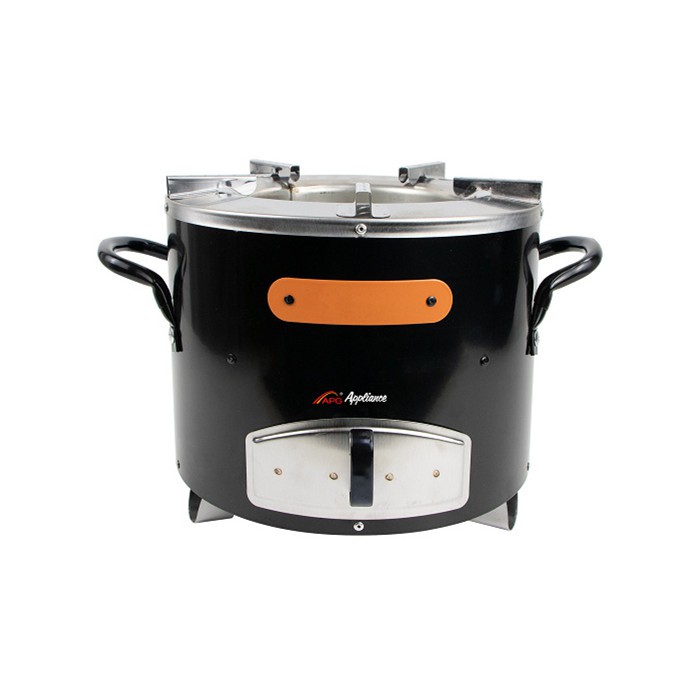
For example, Windproof Wood Stove is a great option. Its innovative design allows for better air circulation, which helps to start and maintain a fire more effectively. The windproof feature also ensures that the fire won't be extinguished by drafts, making it ideal for use in various environments.
Tips for Success
- Use Dry Wood: Make sure that your wood is dry. Wet or green wood is difficult to ignite and will produce more smoke. Aim for wood that has been seasoned for at least six months.
- Stack the Wood Properly: Stack your wood in a way that allows air to circulate around it. A pyramid - like structure is a good option, as it provides plenty of space for air to flow.
- Be Patient: Lighting a wood burning stove without kindling may take a little longer than using traditional kindling. Don't get discouraged if it takes a few tries to get the fire going.
Conclusion
Lighting a wood burning stove without kindling is definitely possible with the right techniques and a bit of patience. Whether you choose to use newspaper, fire starter blocks, dryer lint, or alcohol - soaked rags, the key is to generate enough initial heat to ignite the larger pieces of wood. Remember to pay attention to airflow and use dry wood for the best results.
As a wood burning stove supplier, I'm committed to helping you get the most out of your stove. If you have any questions or need further advice on lighting your stove without kindling, or if you're interested in purchasing a high - quality wood burning stove, please don't hesitate to contact me. I'm here to assist you with all your wood burning stove needs and look forward to discussing your requirements and guiding you through the procurement process.
References
- "The Complete Guide to Wood Burning Stoves" by John Smith
- "Fire Starting Techniques for Wood Stoves" by Jane Doe
- Various online resources on wood burning stove operation and maintenance